The ISS is Dying: What's Coming Next?
The International Space Station is living on borrowed time. Watch its final acts live, and what machines are being built to replace it? 🚀
Did you know there are 7 humans living on the ISS as we type this, but often more than a dozen humans in space at once? How is that possible? The answer marks a new era of spaceflight, and it’s happening right now…
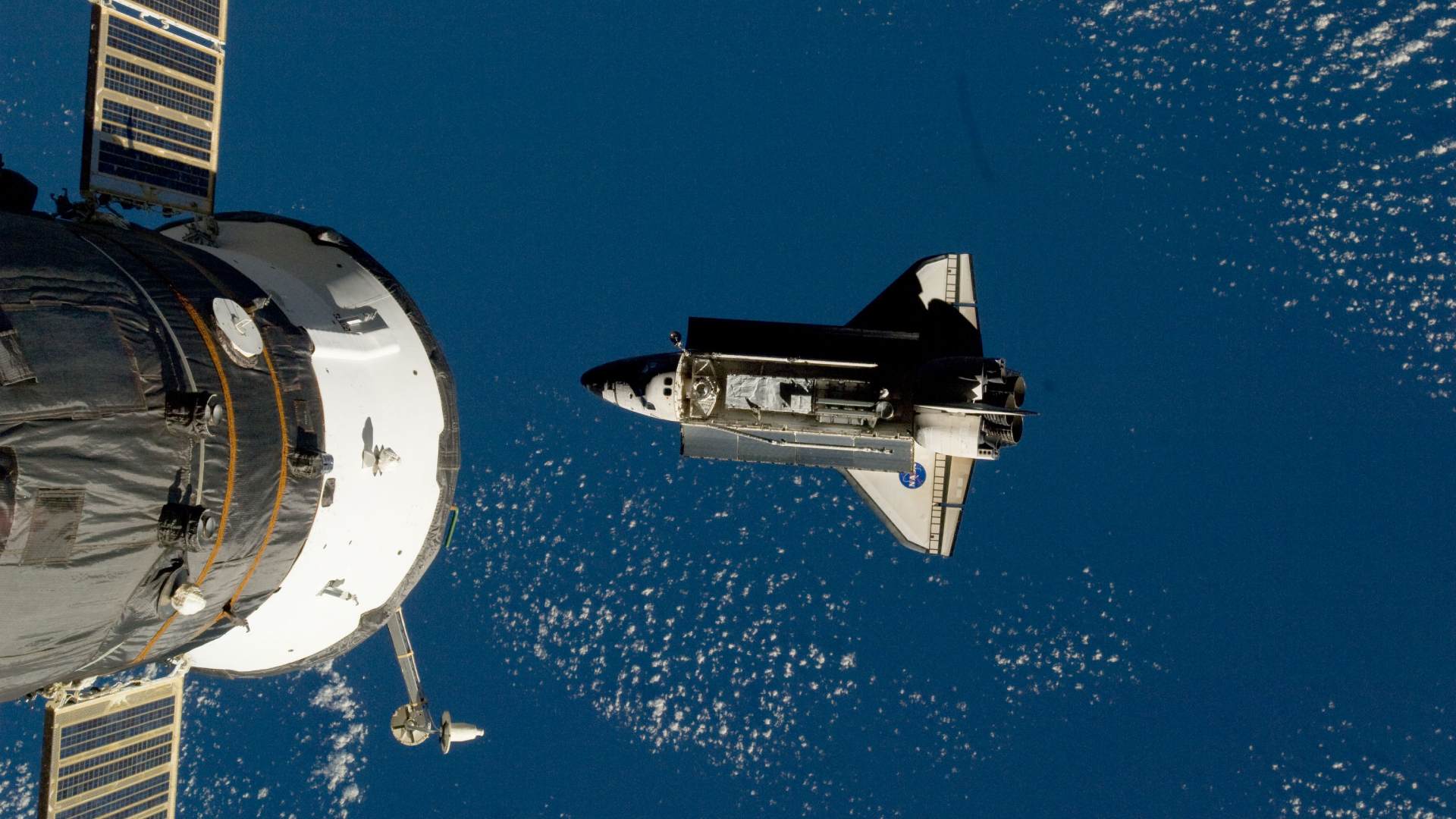
For over two decades, the International Space Station (ISS) has been humanity’s primary orbiting home - a miracle of science and international cooperation. But like all incredible machines, its time is coming to an end. With NASA planning a controlled deorbit for 2030, we’re entering the station’s grand finale.
So, how can you, a mere Earthling, watch history unfold?
Why Retire the ISS?
It isn’t being “killed” out of spite - it’s aging hardware in a brutal environment. After 30+ years of heating / cooling cycles, micrometeorite hits, and metal fatigue, costs and risks climb. A dignified, controlled retirement is safer than waiting for a catastrophic failure.
What Happens in 2030? The Deorbit Plan.
A dedicated deorbit spacecraft (under development) will dock with the ISS and perform engine burns to guide the station to a controlled re-entry. Most of the structure will burn up; any remaining debris will be targeted at Point Nemo - the remote “spacecraft cemetery” of the Pacific Ocean.
Fast Facts
- How long has the ISS been up? First module launched 20 Nov 1998; continuously occupied since 2 Nov 2000.
- How many people have visited? 273 individuals from 21 countries.
- Largest animal flown Baby squid - to study animal-microbe relationships in space.
- Craziest experiments? “Cool flames” that burn without visible light, growing human tissues, and slime mold navigation in zero-g.
- If Earth was destroyed, how long could they last? Not long - months at most. The ISS depends on Earth for resupply and repairs.
What Comes Next?
There are now more than 10+ people in space because China’s Tiangong Station operates beside the ISS - and commercial stations are coming.
- Axiom Station: Starts as modules attached to the ISS, then detaches to free-fly.
- Starlab: Voyager Space + Airbus - a lean, focused science lab.
- Orbital Reef: Blue Origin + Sierra Space - a “mixed-use business park” in orbit.
The International Space Station has been a symbol of what we can achieve. Now we have a limited-time opportunity to watch its final missions.
Space Fact: This article was written by a human on Earth ~408 km below the ISS. Want to help from your couch?
Become a NASA Photo Detective and analyse real astronaut images for recognition and rewards.
Next Up: Best Live Webcam Categories to Watch Right Now (2026 Guide)