15 Weird, Wonderful And Just Bizarre Webcam Facts
From banana bans to a $4,000 coffee pot - the stranger side of the cams watching our world.
Live webcams have been part of the internet since its earliest days - but behind the scenic views and wildlife feeds lies a stranger, funnier, and more surprising history than most people realise.
From government bans on fruit to a teenager who accidentally changed the internet forever, these are the facts that prove webcams are far more bizarre than they first appear.
__________________________________________
The Roach Cam
- The Internet's First Animal Star -
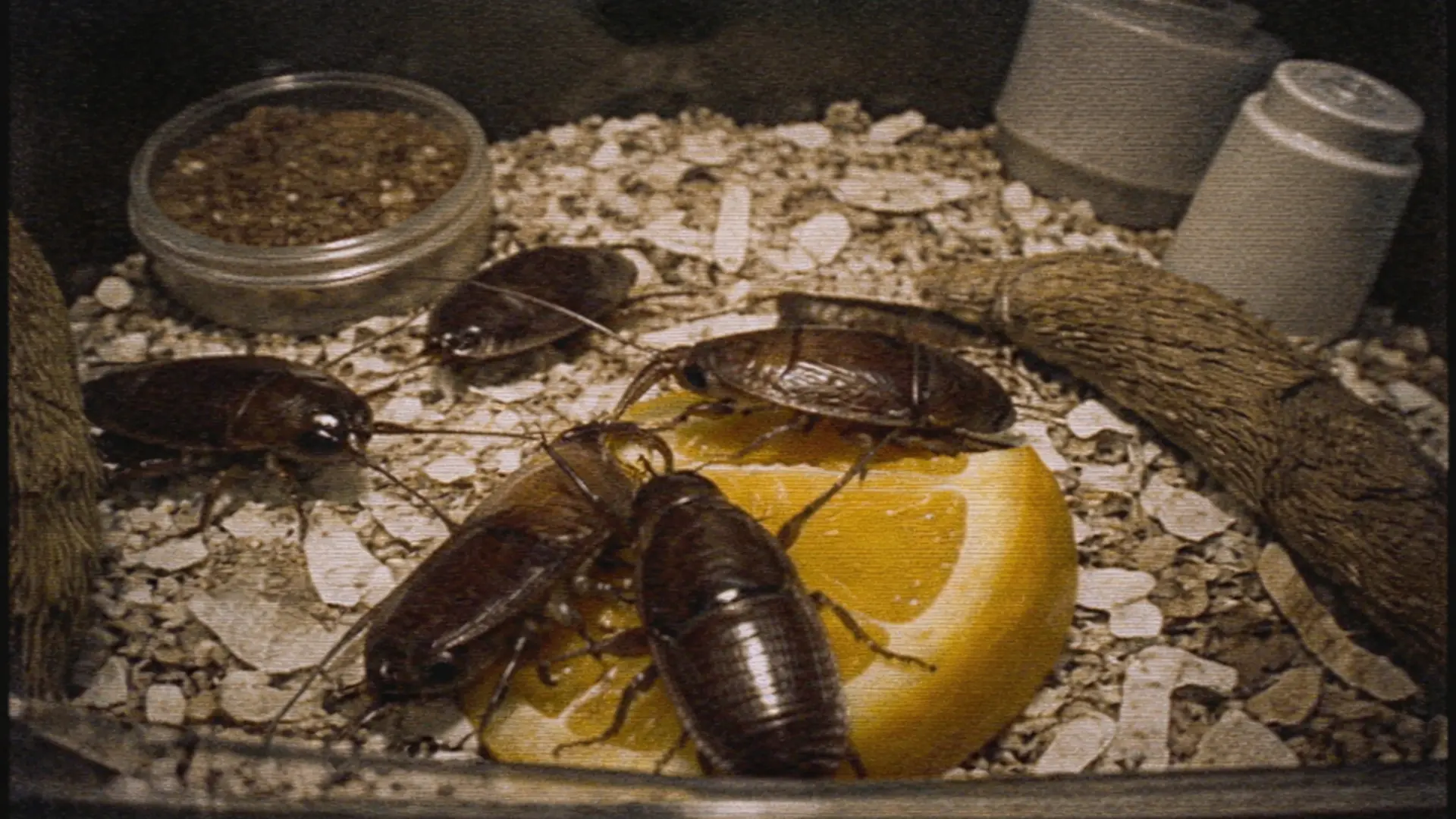
Long before panda cams and eagle nests captured the world's attention, the University of South Carolina pointed a camera at a colony of cockroaches and put it on the internet.
The Roach Cam first went live in December 1993, making it one of the oldest animal webcams in existence - predating most of the platforms we use today by nearly a decade.
It remains a footnote in internet history as proof that humans will watch virtually anything on a screen, provided it is moving.
__________________________________________
The Amazing Fishcam
- Streaming Since 1994 -
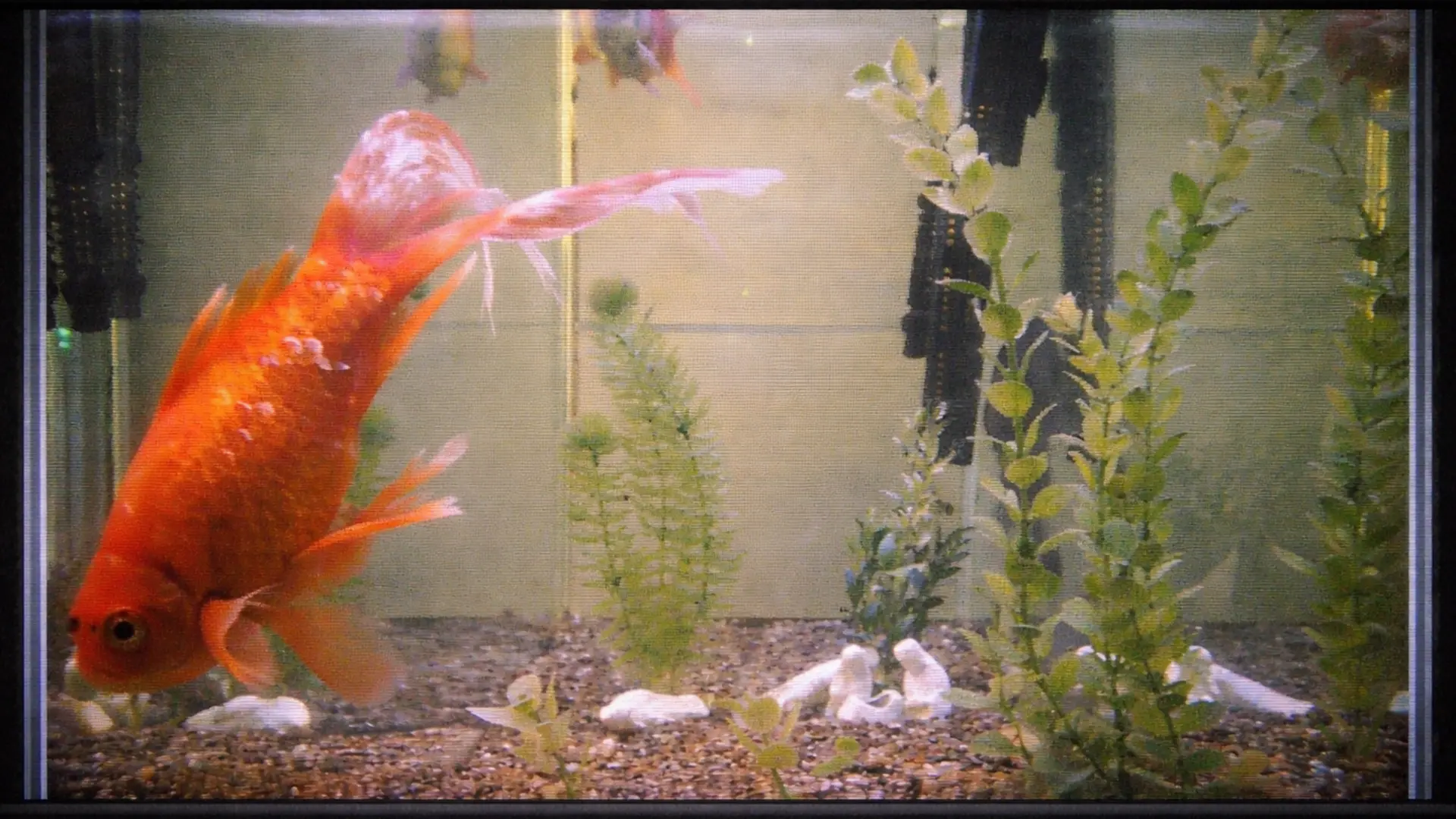
Created in 1994 by Lou Montulli, one of the founding engineers at Netscape, the Amazing Fishcam is a live stream of a fish tank that has been running continuously for over thirty years.
Montulli built it in the early days of the web simply because he could, making it one of the first live streams ever created by a named individual.
It predates YouTube by over a decade and continues to stream to this day - a fish tank quietly outlasting empires of the internet age.
Browse more Chill Feeds on EarthLive.TV.
__________________________________________
The Florida Bubble Machine
- The World's Most Pointless Webcam -
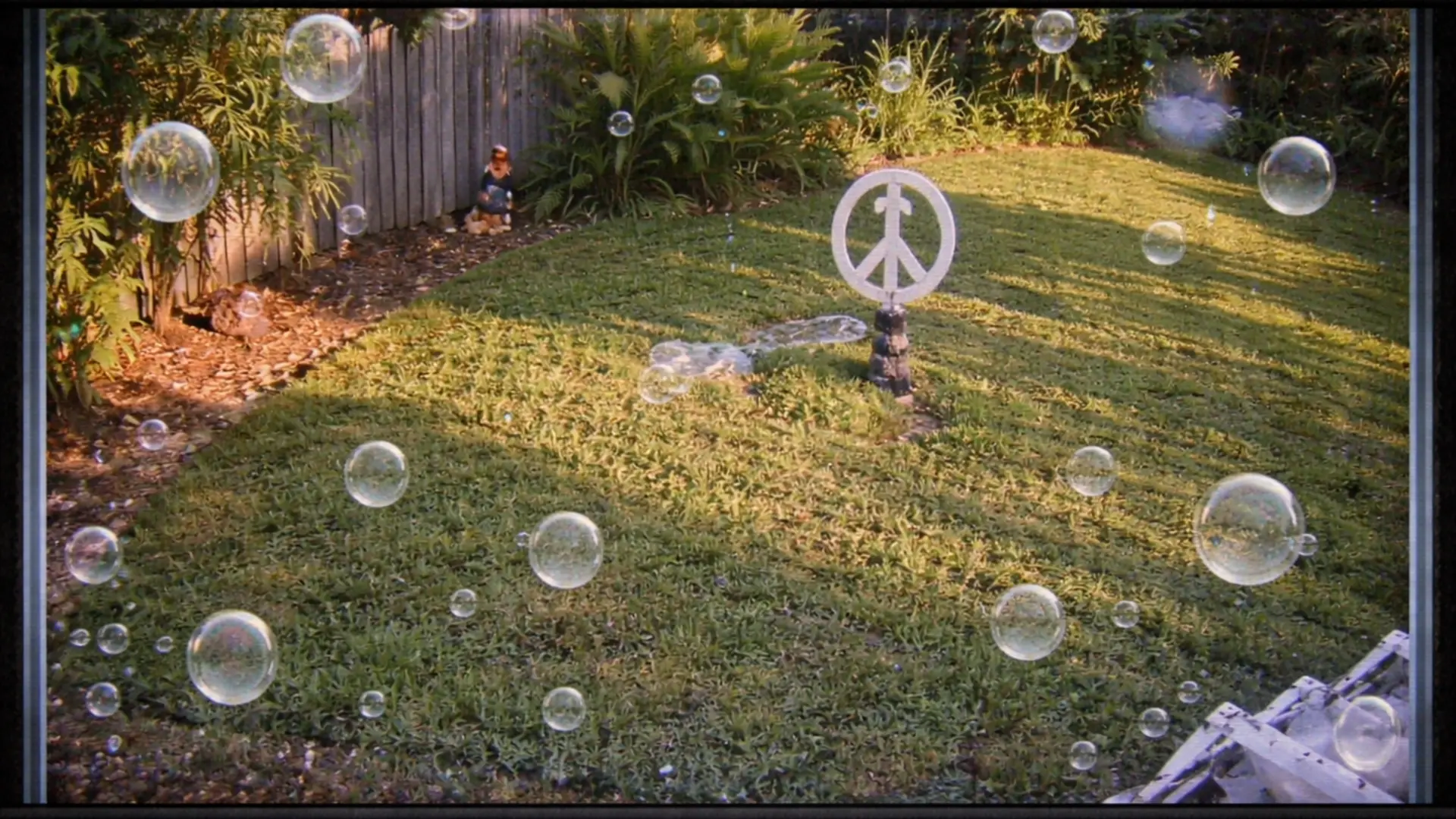
Somewhere in Florida, a couple installed a bubble machine in their back garden, connected it to a live webcam, and gave the entire internet the ability to switch it on remotely with the click of a button.
There is no practical purpose. There is no deeper meaning. You press a button, bubbles appear in a garden you will never visit, and something about that is completely irresistible.
If you enjoy the unexpected side of live streaming, explore our Remote Locations collection for more genuinely surprising feeds from around the world.
__________________________________________
The Korean Cat Restaurant
- Funded Entirely by Viewers -
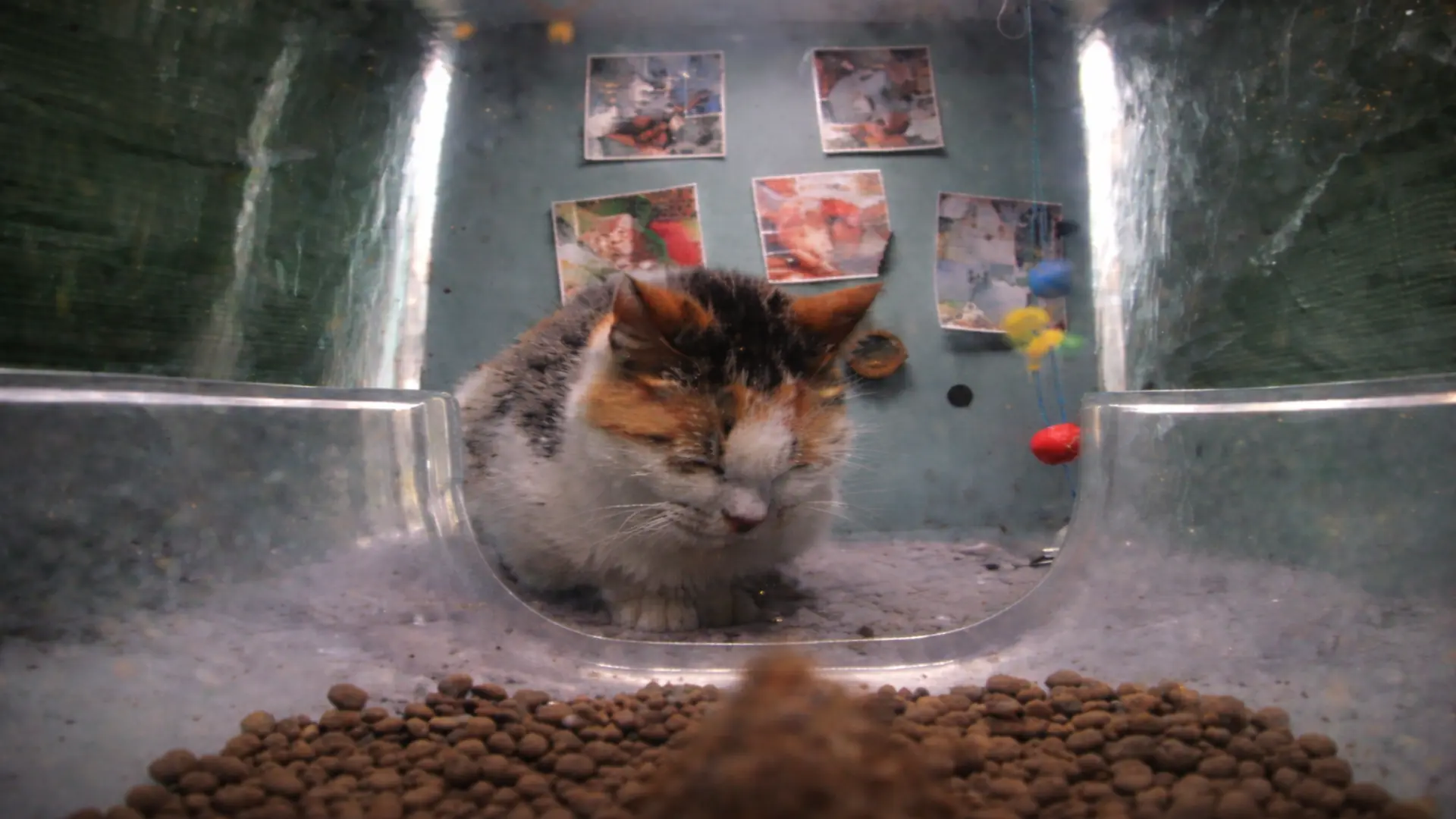
A South Korean man named Koo Eun-je left some fish scraps out for a stray cat near his mother-in-law's home. More cats arrived.
He set up a webcam and called it a restaurant for cats, complete with a daily chalkboard menu.
Viewers from around the world began sending him cash gifts through the stream - every single penny of which he spends on food for the cats.
In a country where cats are historically viewed with suspicion, the stream has become a small but genuine force for changing attitudes towards strays.
Browse more Wildlife cameras in South Korea and beyond.
__________________________________________
The FogCam
- Saved by Public Outcry -
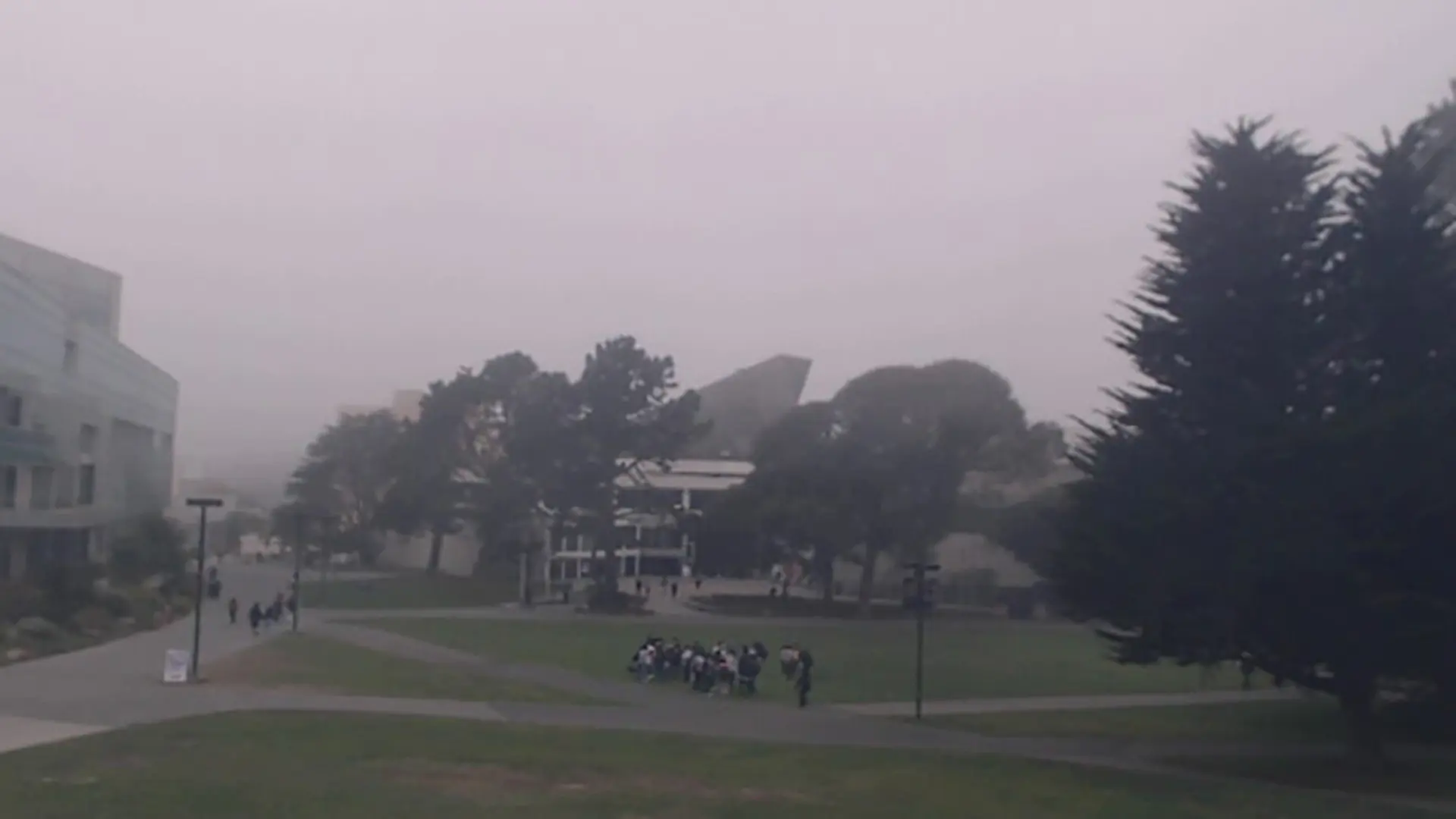
The San Francisco FogCam was set up in 1994 by two students at San Francisco State University as a master's thesis project, making it the world's longest continuously running webcam.
In August 2019 its creators announced they were shutting it down - they had run out of good locations on campus and the university had never officially endorsed it.
The internet reacted with such fury that the story made national news, the hashtag #SaveTheFogCam trended on Twitter, and the university stepped in within days to take over ownership.
It still streams today, every twenty seconds, showing a largely unremarkable view of a campus street.
Browse more live cameras in the USA.
__________________________________________
The South Pole Cam
- Six Months of Pure Darkness -
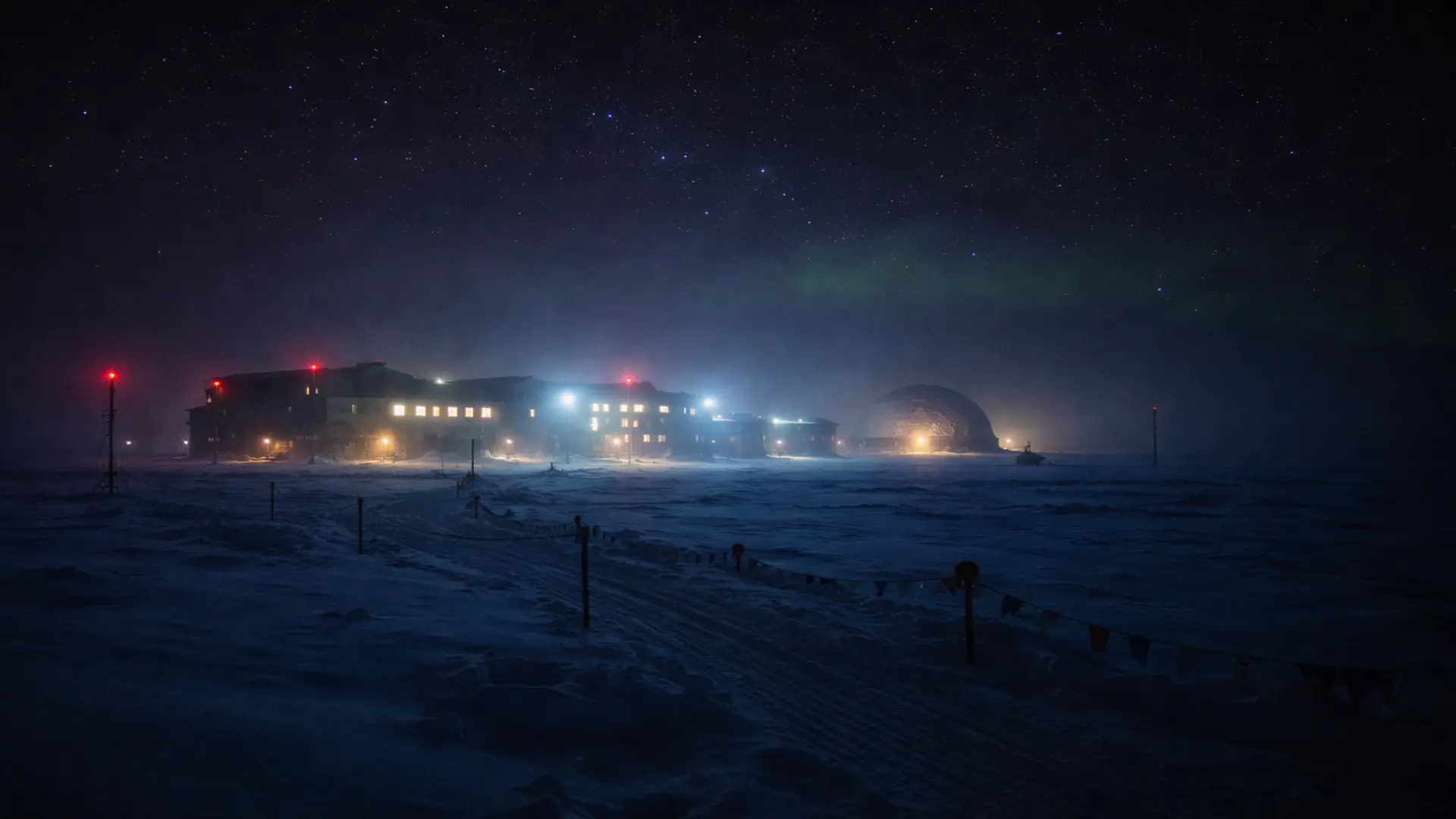
NOAA operates a live webcam at the Amundsen-Scott South Pole Station in Antarctica, streaming images of one of the most remote and inhospitable places on earth.
From mid-April to mid-August every year, the camera shows absolutely nothing - not a silhouette, not a flicker, not a single photon of natural light.
Six months of complete darkness, streamed live, to anyone who wants to watch. The scientists stationed there experience just one sunrise and one sunset per year.
No flights can reach them for nine months. Browse more Remote Locations from the furthest corners of the planet.
__________________________________________
China's Banana Ban
- The Webcam Law Nobody Saw Coming -

In May 2016, the Chinese government issued a directive banning livestreaming platforms from broadcasting people eating bananas in a seductive or erotic manner, as part of a crackdown on content deemed harmful to social morality.
Also prohibited in the same ruling were stockings, suspenders, and a range of other items the authorities considered inappropriate for live broadcast.
Critics pointed out that banning bananas did relatively little to address the broader issue, given the availability of other similarly shaped fruits and vegetables.
Browse live cameras in China.
__________________________________________
770 Million Cameras
- China's All-Seeing Eye -
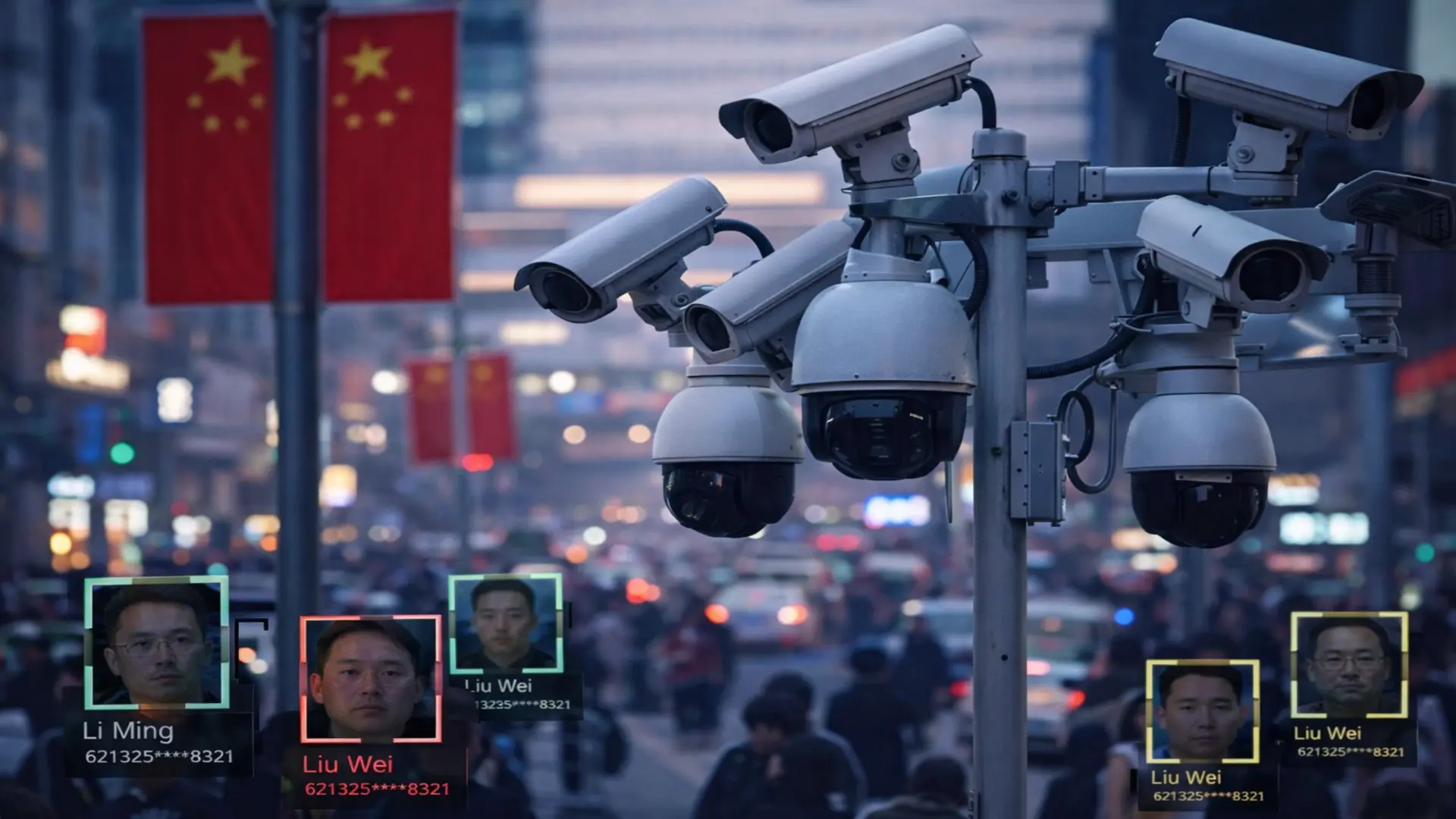
China has an estimated 770 million CCTV cameras actively monitoring its population - nearly one camera for every two citizens. Eighteen of the top twenty most surveilled cities on earth are Chinese.
The network partly operates under a programme known as Skynet, using facial recognition technology to track individuals across cities in real time.
Researchers who studied the system found little evidence that higher camera density reduces crime rates - but the cameras keep multiplying regardless.
Browse live Traffic Cameras in cities around the world.
__________________________________________
The Max Headroom Hijack
- Chicago's Unsolved Broadcast Crime -
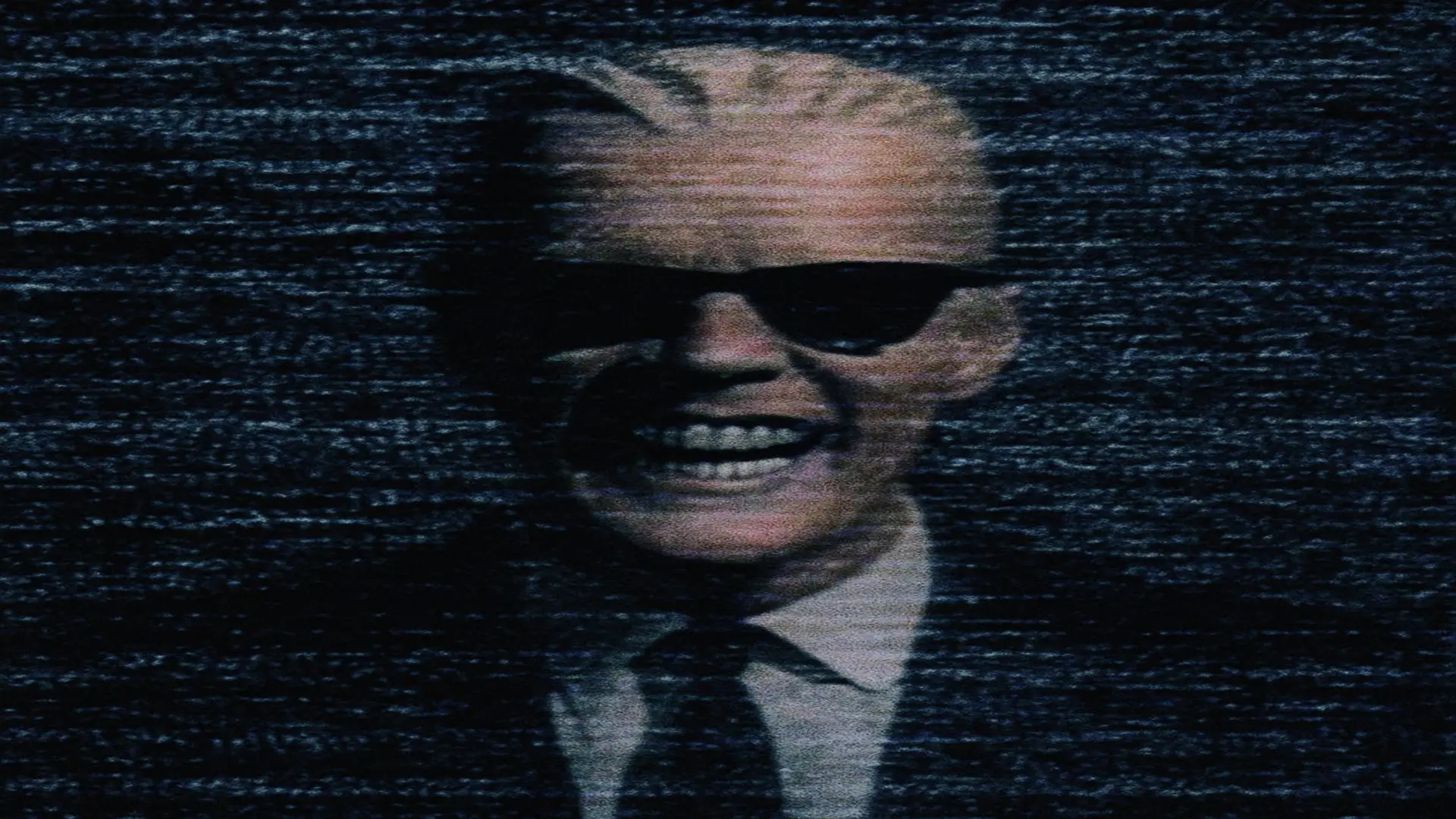
In November 1987, someone dressed in a Max Headroom mask hijacked the live broadcast signal of two separate Chicago television stations in a single evening.
The first interruption lasted around thirty seconds on WGN during the evening news.
Later that night the same person broke into the signal of WTTW during a broadcast of Doctor Who, this time for around ninety seconds, delivering a bizarre incoherent monologue before the feed was cut.
The Federal Communications Commission launched a full investigation. Nearly four decades later, nobody has ever been identified or charged.
Browse Live News streams in the USA.
__________________________________________
The 1977 BBC Hijack
- The Alien Who Cut Into the News -
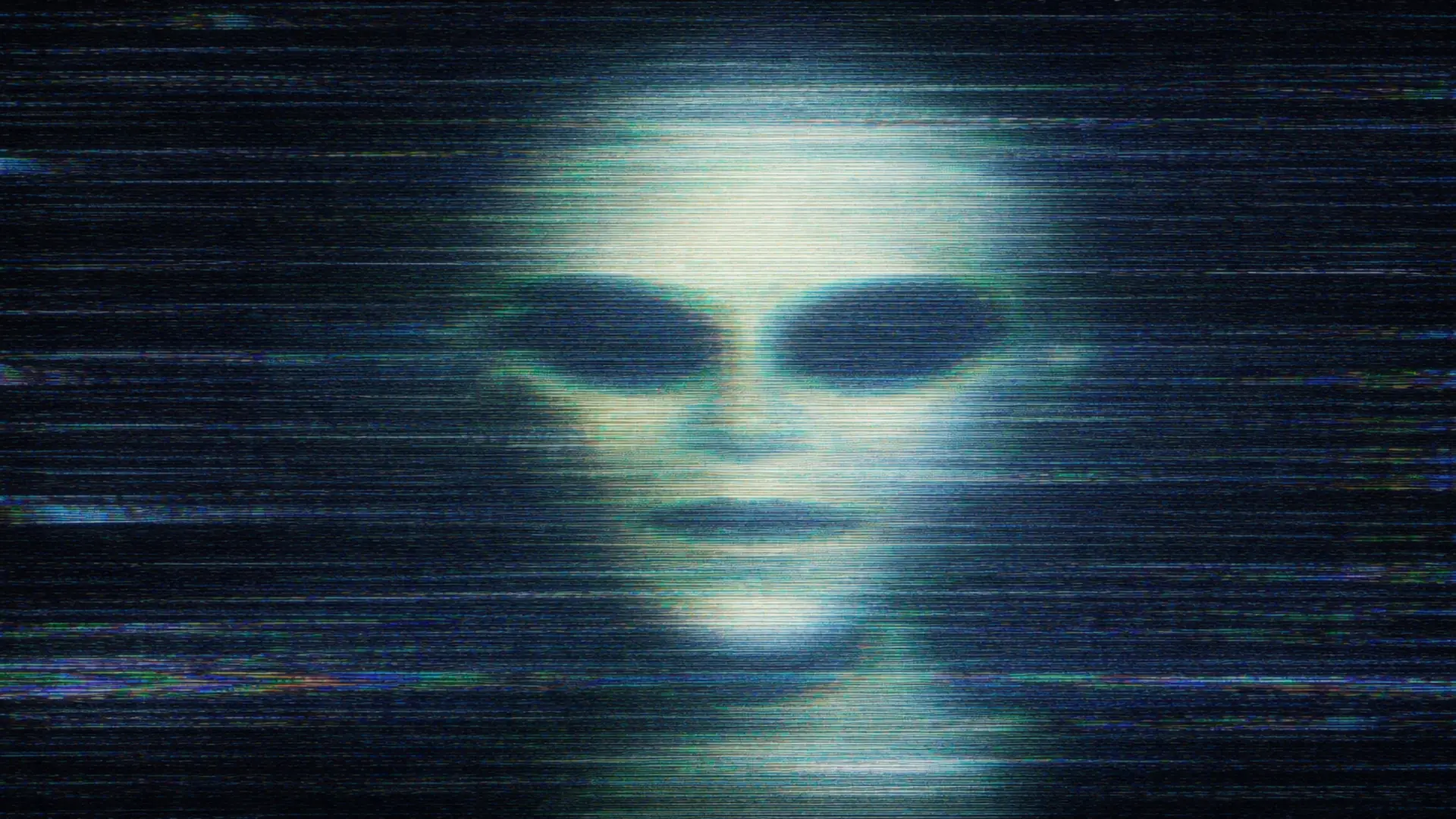
On 26th November 1977, viewers watching the early evening news on Southern Television in the UK heard the newsreader's voice suddenly replaced by a distorted transmission claiming to be from a representative of an extraterrestrial civilisation called the Ashtar Galactic Command.
The voice warned humanity to abandon its weapons and live in peace, speaking for approximately six minutes before the regular broadcast resumed. Engineers at the station were unable to override the signal during the interruption.
The incident was never solved and no individual or group has ever credibly claimed responsibility.
Browse live cameras in the UK.
__________________________________________
Chatroulette
- Built in a Bedroom in Two Days -

In November 2009, a 17-year-old student in Moscow named Andrey Ternovskiy spent two days and two nights writing the code for a website that randomly connected strangers via webcam.
He built it alone in his childhood bedroom, funded initially by a $10,000 loan from his parents.
Within four months the site had 1.5 million daily users, covered by the New York Times, the New Yorker, and featured on The Daily Show with Jon Stewart.
Chatroulette is still running today with 3 million monthly visitors - built in a weekend by a teenager who simply thought it would be interesting.
Browse Busy Places live in Russia.
__________________________________________
The Pitch Drop
- 97 Years & Nobody Was Watching -

In 1927 a professor at the University of Queensland poured heated pitch - a tar-like substance - into a glass funnel to prove it was a liquid despite appearing solid.
The pitch has dripped just nine times in nearly a hundred years, each drop taking between eight and thirteen years to fall. A webcam was installed in 2000 specifically to capture the moment.
When the eighth drop fell, the webcam malfunctioned during a storm. When the ninth drop fell in 2014 there was a server outage.
The professor who oversaw the experiment for 52 years missed every single drop - once by a single day, once by five minutes while making a cup of tea.
He died eight months before the ninth drop was finally captured on camera.
Browse more fascinating live streams in Australia.
__________________________________________
The Cambridge Coffee Pot
- $4,000 Cup That Changed the Internet -
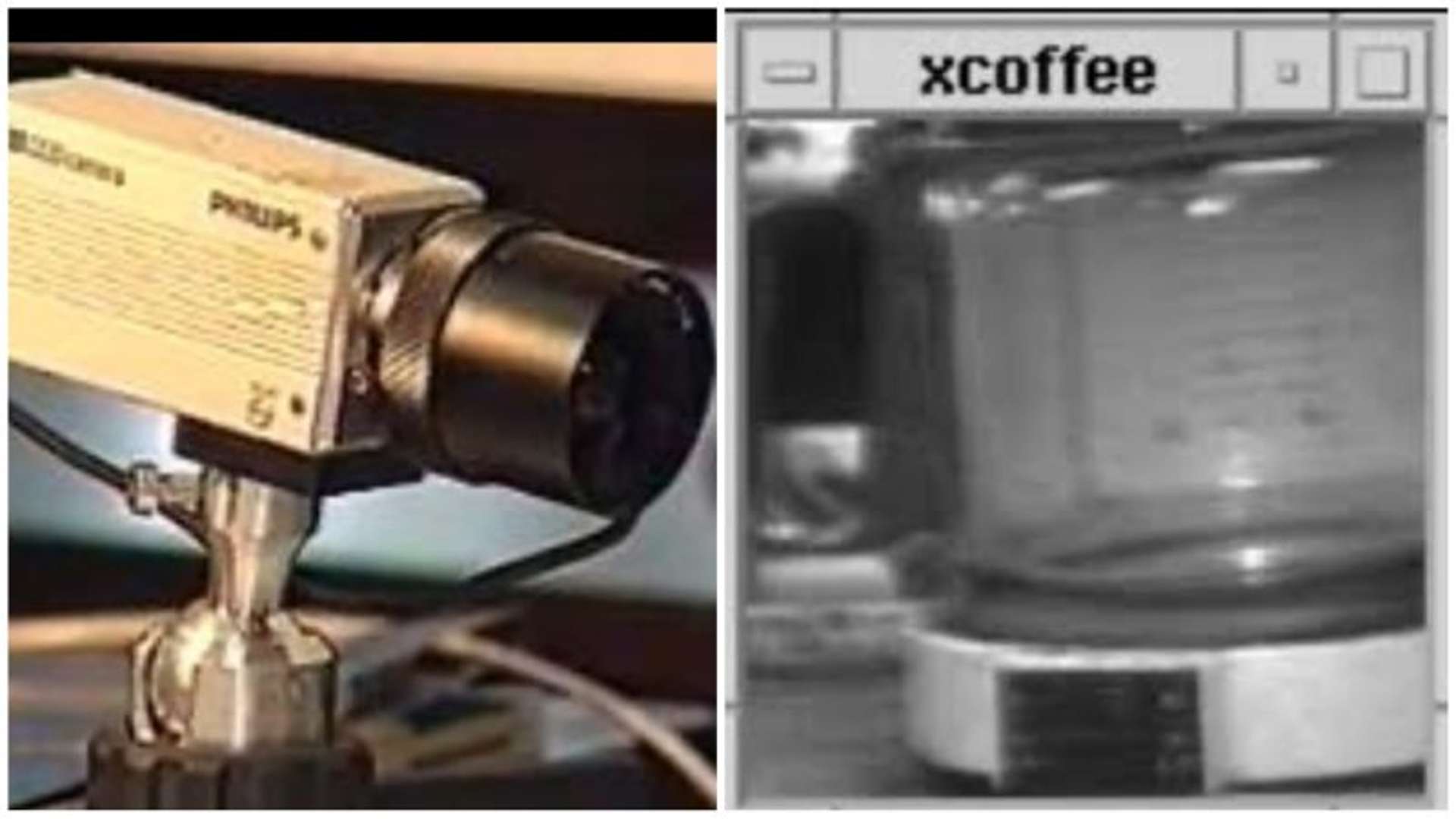
In 1991, researchers at the University of Cambridge were frustrated by making the trip to the communal coffee pot in the Trojan Room only to find it empty.
Two scientists pointed a camera at the pot and wrote a script to broadcast its image across the internal network so colleagues could check it from their desks.
When the lab connected to the internet in 1993 the feed became publicly accessible and the coffee pot became one of the earliest viral sensations of the web.
It ran for ten years. When it was finally switched off in 2001 the story made the front pages of the Washington Post and the London Times.
The pot was sold at auction to the German magazine Der Spiegel for just over $4,000 - where it continued to be streamed from a storage room, occasionally with a rubber duck placed inside it.
Browse more live cameras from the UK.
__________________________________________
JenniCam
- Ended by a PayPal Policy -
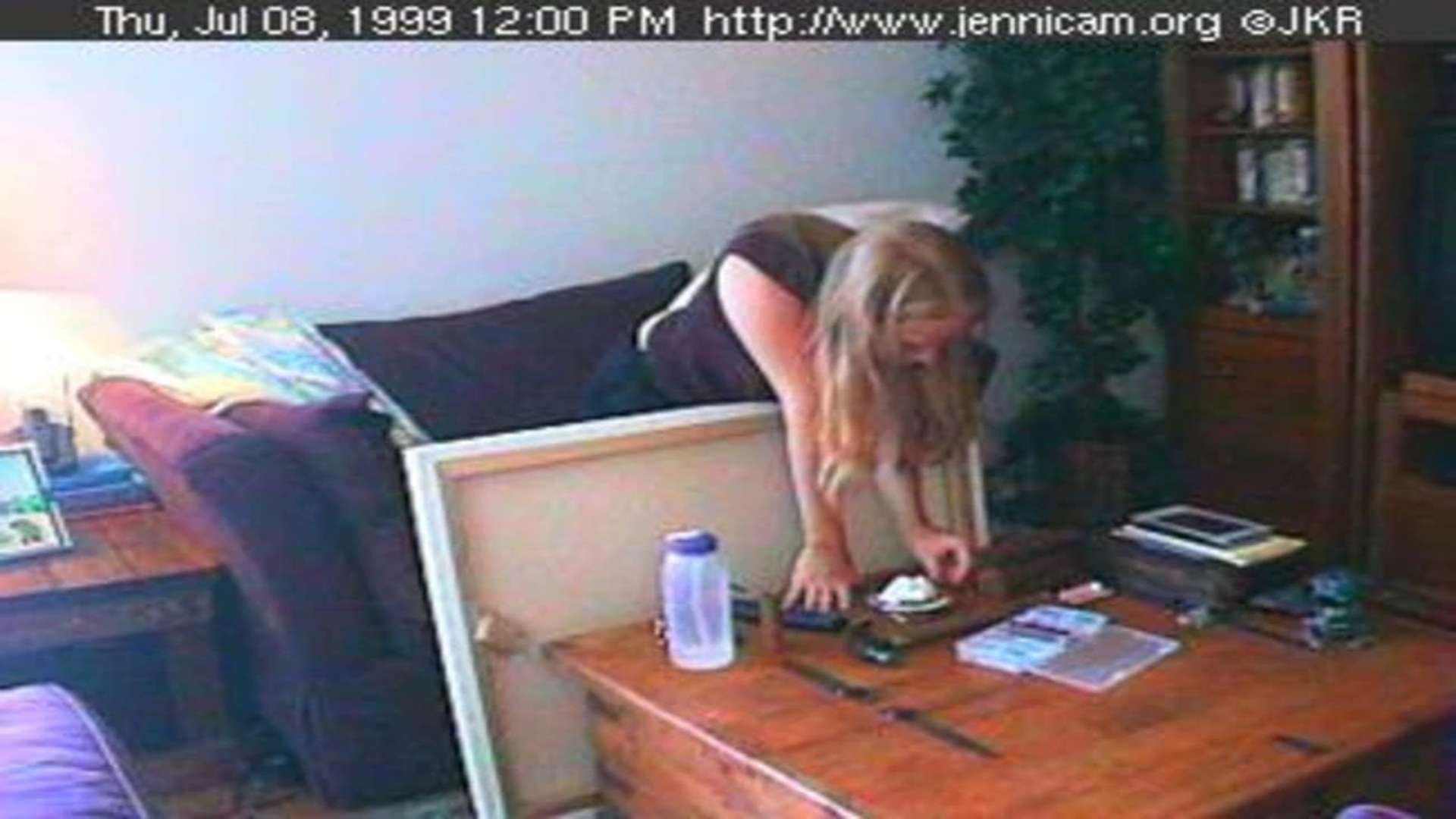
In April 1996 a 19-year-old student named Jennifer Ringley bought a webcam from her college bookstore, pointed it at her dorm room, and accidentally invented lifecasting.
JenniCam ran 24 hours a day, seven days a week for seven years, broadcasting her life without editing or censorship to anyone who wanted to watch.
At its peak the site received 7 million hits per day, making it one of the most visited websites on the entire internet. She appeared on David Letterman.
Over 100 media outlets ran features on her. In December 2003 she switched it off - not because of burnout or scandal, but because PayPal updated its nudity policy and cut off her payment processing overnight.
The entire pioneering history of personal livestreaming was ended by a terms and conditions update.
Browse live cameras in the United States.
__________________________________________
The Decorah Eagles
- 350,000,000 People Watched Two Birds -
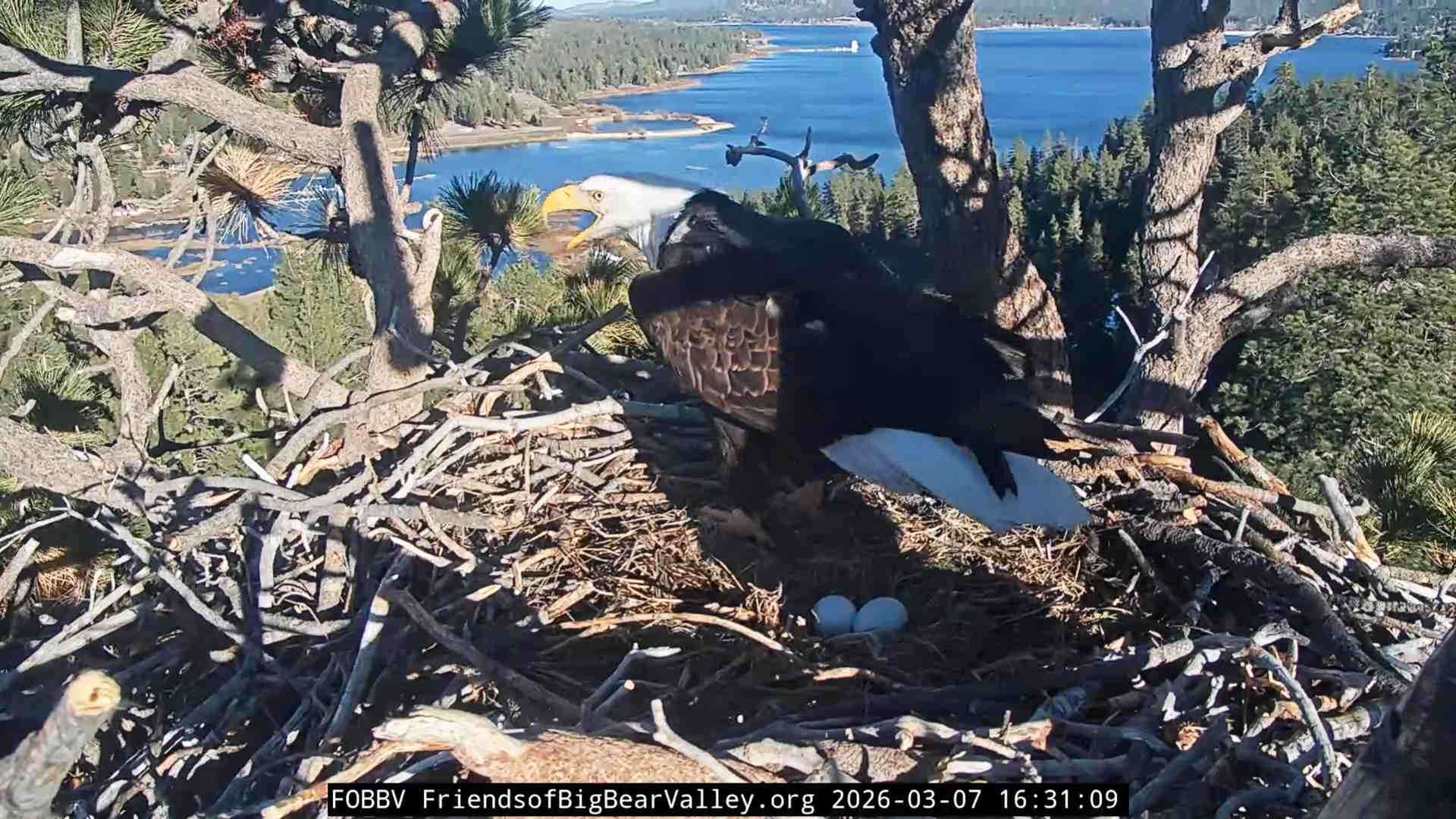
In 2007 the Raptor Resource Project installed a camera at a bald eagle nest near a trout hatchery in Decorah, Iowa. In 2011 the feed went viral.
At its peak the stream attracted 2.4 million views in a single day, reaching 250 million total views on the streaming platform Ustream and becoming the most watched live stream of all time.
The total number of unique viewers has since approached 350 million - more than the entire population of the United States, more than most Hollywood blockbusters, more than almost any live event in television history.
They were watching two eagles. Sitting in a nest. In Iowa. The eaglets were not even given names - only alphanumeric codes - to discourage viewers from anthropomorphising them. It did not work.
People watched anyway, in their hundreds of millions, because apparently that is all it takes.
Explore more of the world's most fascinating live streams through our interactive Live Webcam Map.
Next Up: Best Live Webcam Categories to Watch Right Now (2026 Guide)