7 Cameras, 7 Continents - Watch The World Live!
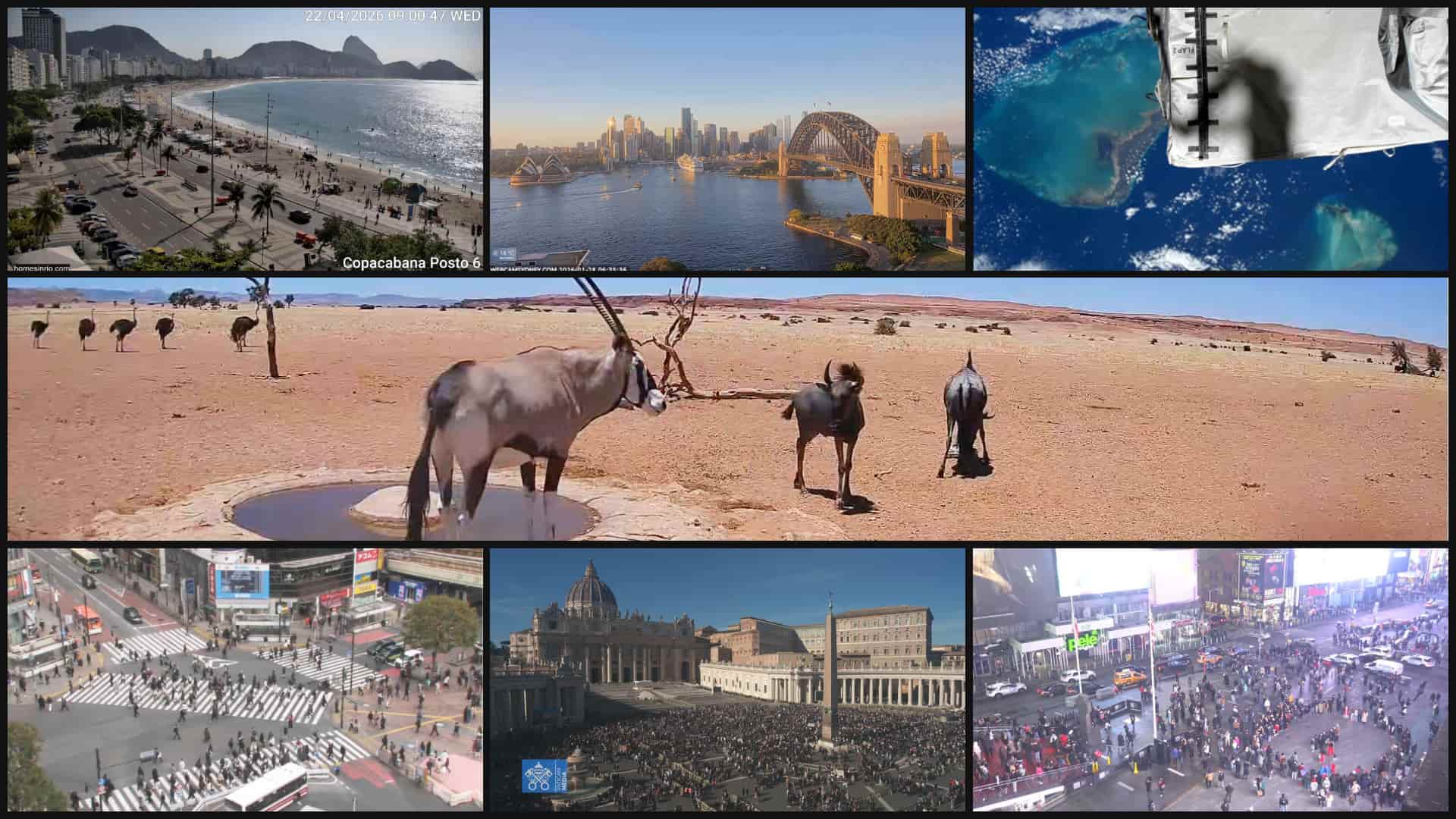
It's morning in Asia, midday in Europe and night in America, and you can watch it all live right now.
No flights. No hotels. No waiting. Just seven live cameras, streaming from seven continents, 24 hours a day.
At any given moment, tens of thousands of people are moving through these locations, while one continent stays completely frozen and silent. This is what the world looks like, right now.
Quick question before you dive in: How many people cross Shibuya Crossing in Tokyo every time the lights change? Guess now, the answer is at the bottom.
__________________________________________
ASIA - Shibuya Crossing
Tokyo, Japan 🇯🇵
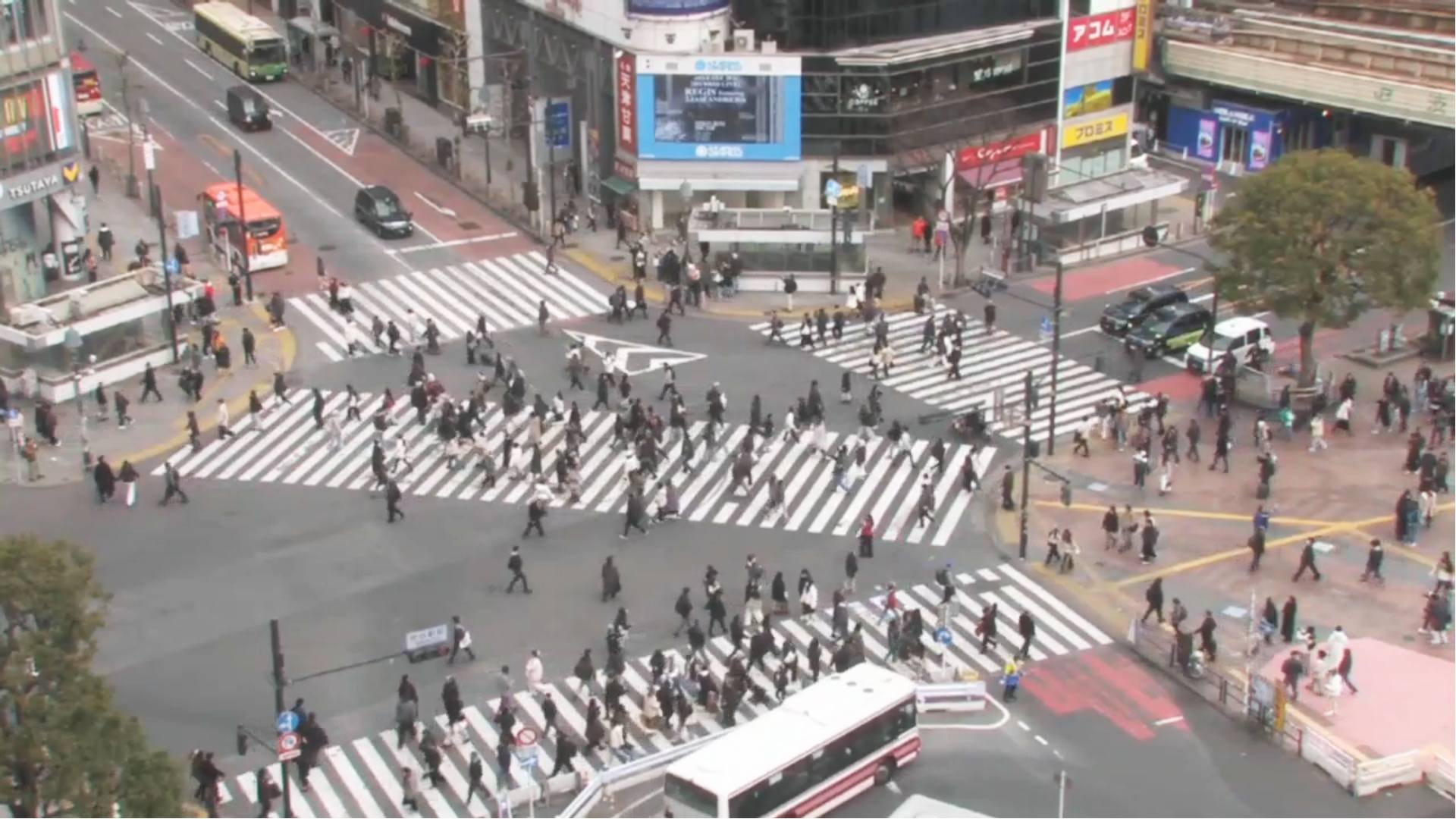
Up to 3,000 people cross here every single time the lights change.
Known as the busiest pedestrian crossing on earth, Shibuya Scramble turns into a perfectly choreographed wave of humanity every few minutes, then resets like nothing happened.
Peak times are early morning and early evening when Tokyo's commuters flood through.
Tune in on a rainy evening and watch a sea of umbrellas move as one.
Did You Know? The crossing appears in countless films and music videos, but only became truly famous worldwide after it was featured in the movie "Lost in Translation" in 2003.
Best Time to Watch: UTC 22:00 to 00:00 for the morning rush, or UTC 08:00 to 11:00 for the evening commute when the neon lights are on.
Quiz: How many people pass through Shibuya Station every single day?
Answer: An estimated 2.4 million, making it one of the busiest train stations on earth.
__________________________________________
OCEANIA - Sydney Harbour
Sydney, Australia 🇦🇺
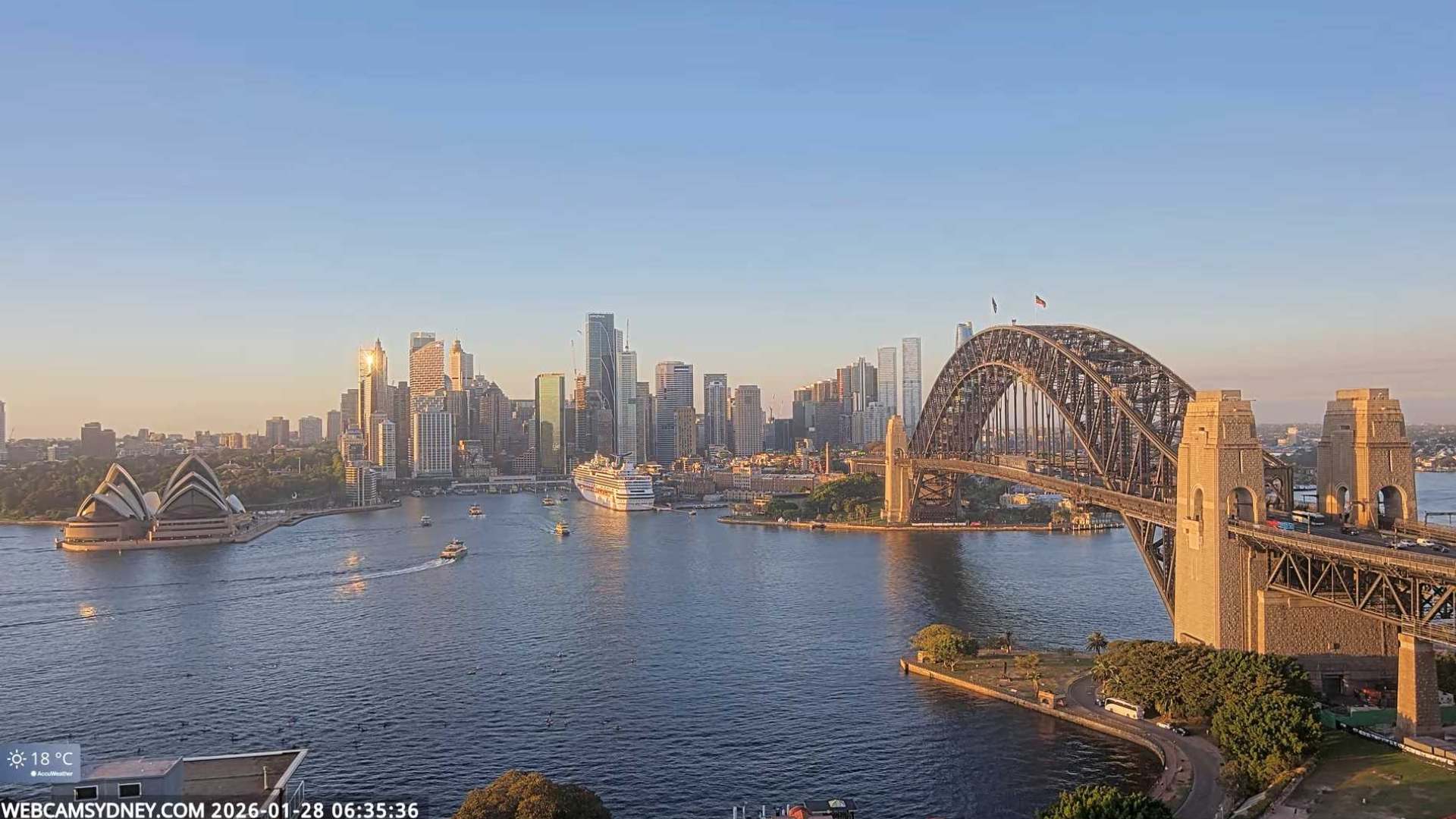
One of the most iconic harbours in the world, live all day, every day.
Sydney Harbour is home to the Opera House, the Harbour Bridge and some of the busiest maritime traffic in the southern hemisphere.
The camera captures ferries, sailing boats and the occasional cruise ship drifting past one of the world's great skylines.
Sydney runs roughly 9 to 11 hours ahead of Europe, so when it is evening in London, it is already tomorrow morning in Sydney.
Did You Know? Sydney Harbour Bridge was built using 6 million hand driven rivets. Workers called it The Coathanger, a nickname that stuck and is still used today.
Best Time to Watch: UTC 19:00 to 22:00 for a bright Sydney morning, or UTC 07:00 to 09:00 for the golden hour sunset over the harbour.
Quiz: How long did it take to build Sydney Harbour Bridge?
Answer: Nine years. Construction began in 1923 and the bridge opened in March 1932.
__________________________________________
EUROPE - St Peter's Square
Vatican City 🇻🇦
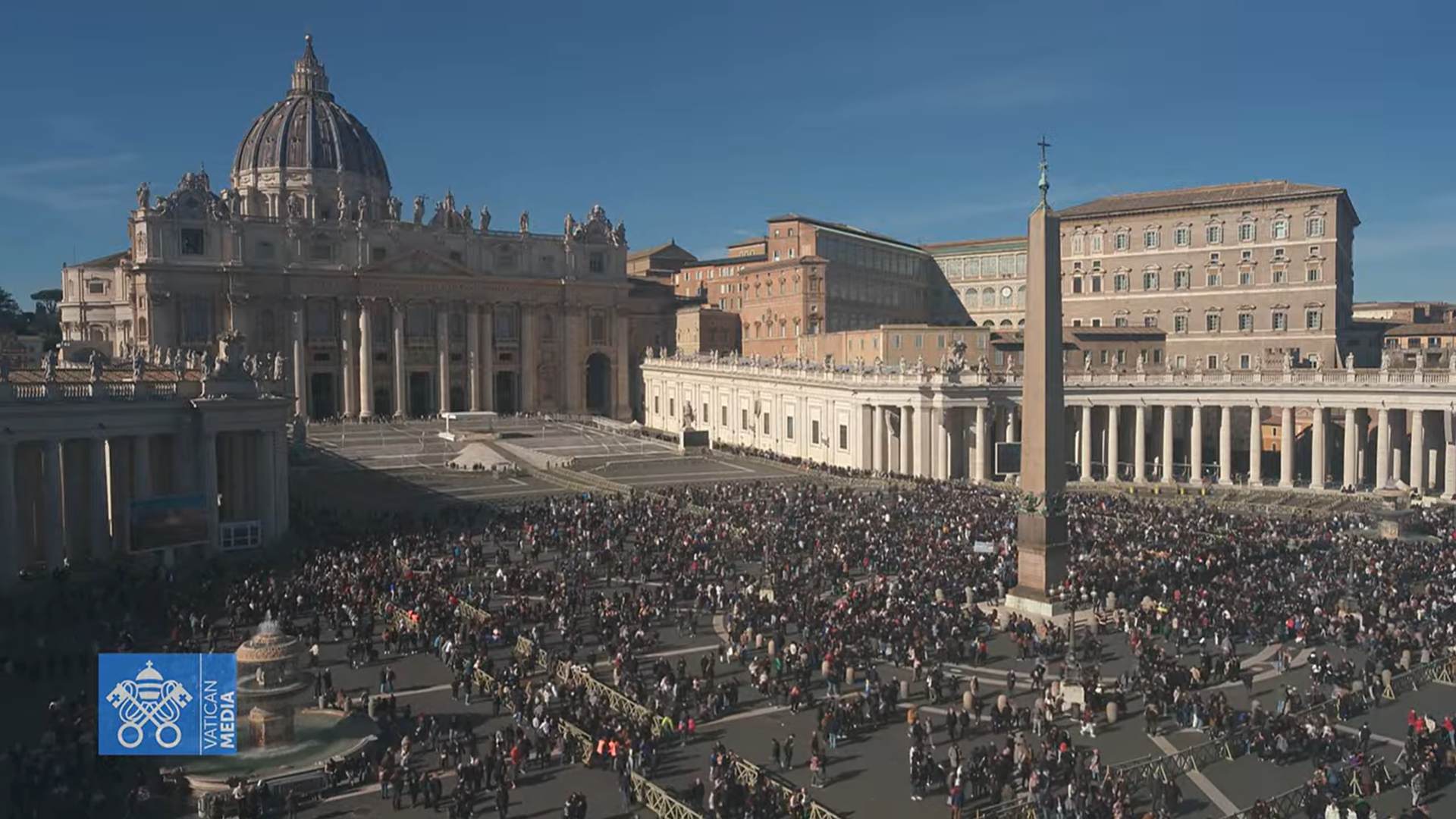
The smallest country on earth and one of the most watched.
Vatican City covers just 44 hectares, yet draws millions of visitors every year.
St Peter's Square can hold up to 300,000 people during major events, but on a quiet afternoon the camera captures something equally compelling. The scale of Bernini's famous colonnade framing an almost empty piazza is breathtaking.
Watch closely and you might catch the Papal Guards on their rounds.
Did You Know? The Vatican City has its own postal service, its own radio station and its own football team. The team has never lost a match, largely because they rarely play one.
Best Time to Watch: UTC 05:00 to 08:00 for a quiet sunlit square, or UTC 08:00 to 11:00 when the crowds and pilgrims begin to fill the piazza.
Quiz: What is the name of the architectural colonnade that frames St Peter's Square?
Answer: It was designed by Gian Lorenzo Bernini and completed in 1667, stretching 284 columns wide.
__________________________________________
AFRICA - Namib Wildlife
Namib Desert, Namibia 🇳🇦
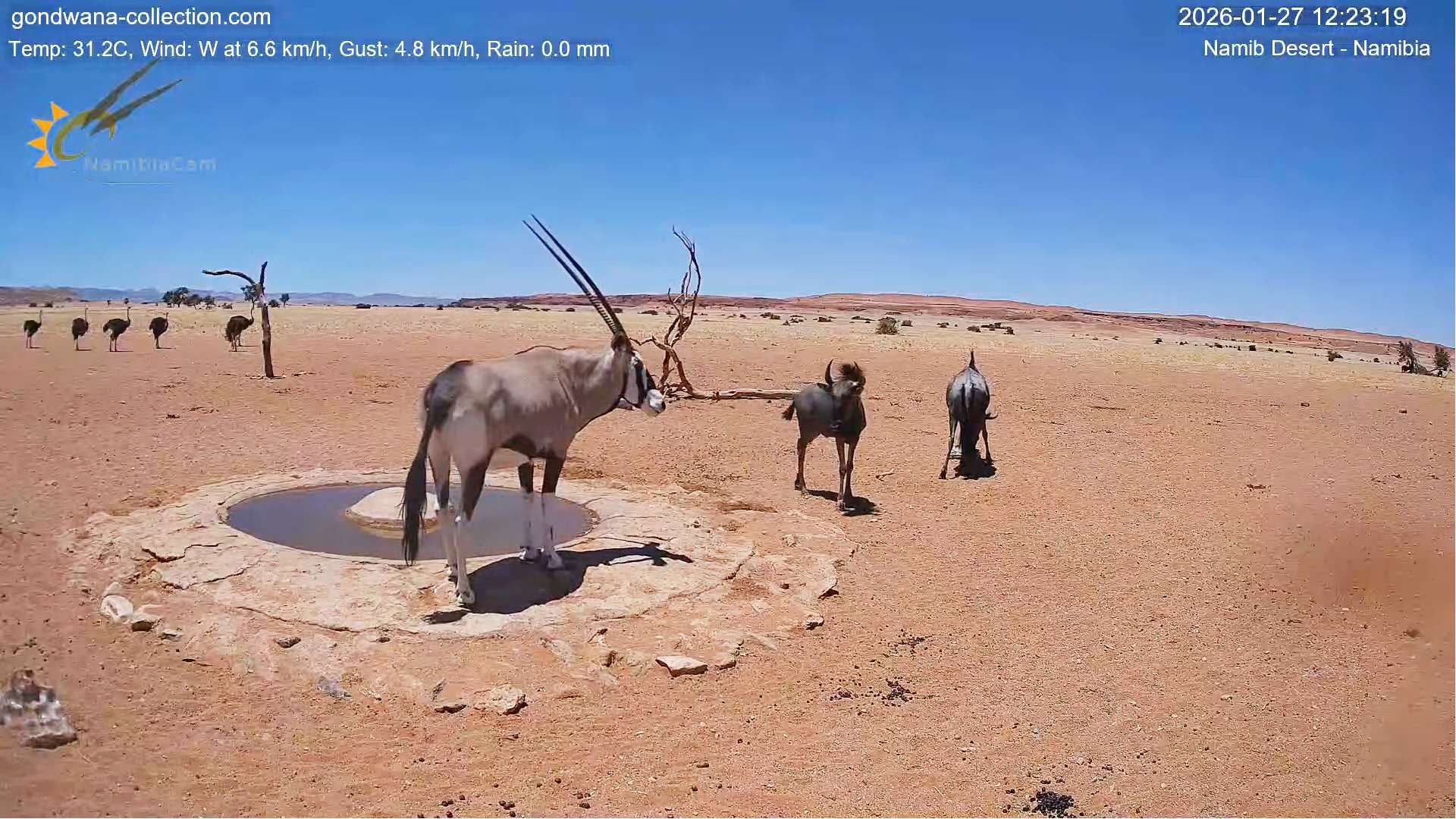
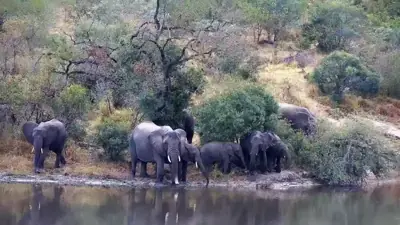
Nothing happens for ages. Then an elephant arrives. Then twelve more.
This live feed from a waterhole deep in the Namib Desert is one of the most quietly addictive cameras on the internet.
The Namib is one of the oldest deserts on earth and the wildlife that passes through includes elephant, oryx, lion and giraffe.
Dusk and dawn are your best chance of catching something spectacular.
Did You Know? The Namib Desert is so ancient that many of its species are found nowhere else on earth, including the Welwitschia plant, which can live for over 1,000 years.
Best Time to Watch: UTC 02:00 to 04:00 for dawn activity, or UTC 14:00 to 16:00 for the evening rush to the waterhole when wildlife is most active.
Quiz: How old is the Namib Desert?
Answer: Over 55 million years old, making it one of the oldest deserts on the planet.
__________________________________________
S AMERICA - Copacabana
Rio de Janeiro, Brazil 🇧🇷
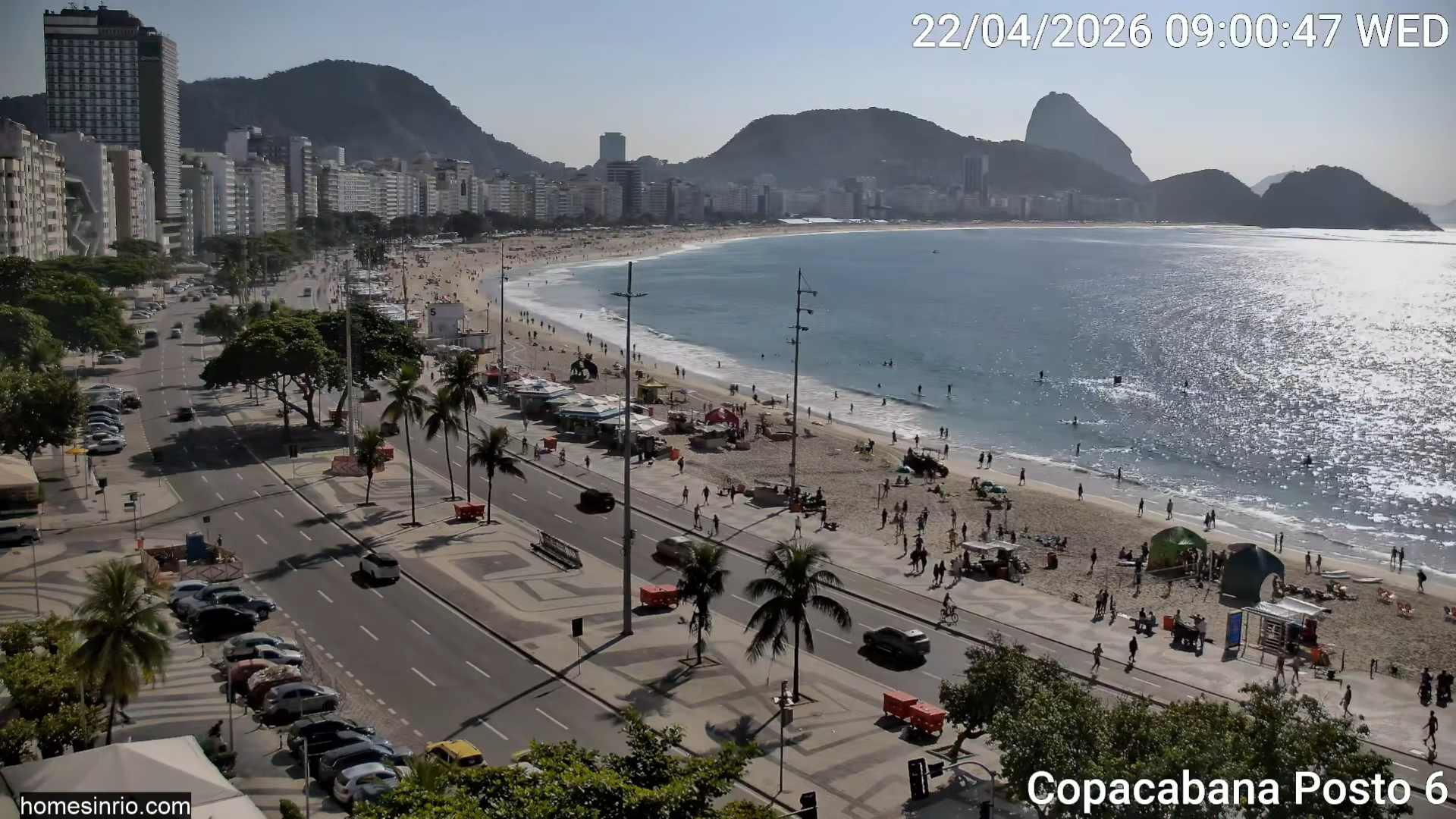
Copacabana Beach Rio Live Camera
Four kilometres of Atlantic coastline and rarely a quiet moment.
Copacabana is arguably the most famous beach on earth. By day it is packed with swimmers, volleyball players and street vendors. By evening the promenade comes alive with music and the kind of energy that makes Rio unmistakable.
The beach stretches between two forts and sits directly below the hills that give Rio its dramatic skyline.
Did You Know? Copacabana Beach hosted the 2016 Olympic beach volleyball finals, watched by a crowd of 12,000 on the sand and millions more around the world.
Best Time to Watch: UTC 15:00 to 18:00 for the busiest beach hours, or UTC 23:00 to 01:00 when the promenade comes alive after dark.
Quiz: How long is Copacabana Beach? Answer: Four kilometres, stretching between the forts of Copacabana and Leme.
__________________________________________
N AMERICA - Times Square
New York City, USA 🇺🇸
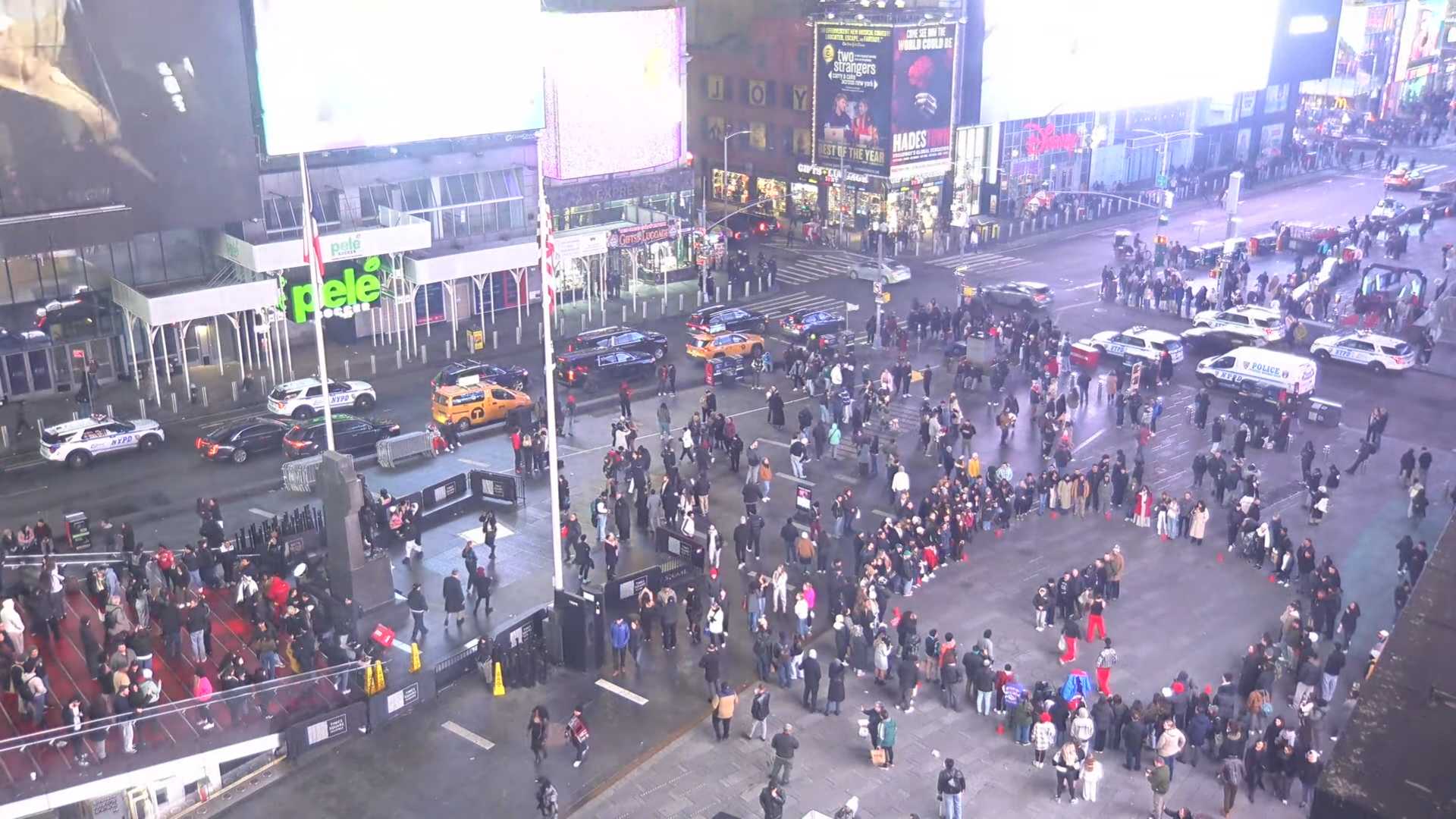
Times Square never sleeps, and this camera proves it.
At 2am it is still glowing. At 6am the delivery trucks are already jostling for space. By noon it is shoulder to shoulder tourists and yellow cabs. Whatever time you tune in, something is happening.
Times Square hosts over 50 million visitors a year, making it one of the most visited locations on the entire planet.
Did You Know? Times Square was not always called Times Square. Until 1904 it was known as Longacre Square, renamed when The New York Times moved its headquarters there and celebrated with the city's first ever New Year's Eve fireworks display.
Best Time to Watch: UTC 00:00 to 04:00 for the full neon spectacle after dark, or UTC 22:00 to 02:00 when Broadway crowds spill out onto the streets.
Quiz: How many people pass through Times Square every day?
Answer: Around 330,000 on a typical day, rising to 460,000 on the busiest days of the year.
__________________________________________
ANTARCTICA - Space Station
400km Away in Space 🌍
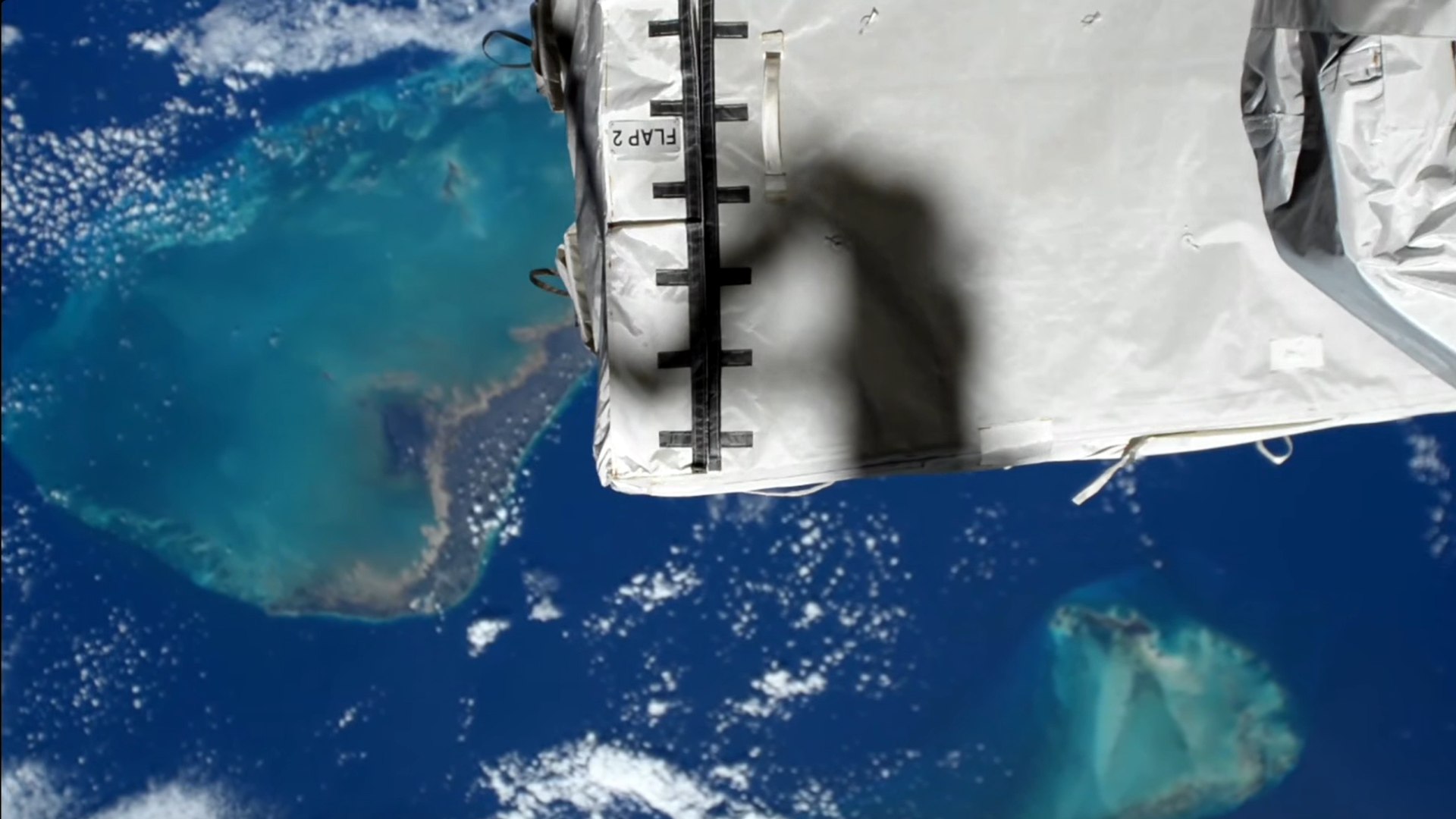
ISS Space Station Live SEN Camera
There is no real webcam in Antarctica. This is the closest thing on earth, or above it.
The ISS orbits the planet every 90 minutes, passing over all seven continents including Antarctica. This live feed is the only true 24/7 view of the frozen continent available to the public.
Fair warning, it might be dark, it might be cloudy. Or you might catch the curvature of the earth lit up in ways that are genuinely hard to put into words. That unpredictability is exactly the point.
Did You Know? Antarctica is the only continent with no permanent human residents, no government and no time zone. Research stations each simply choose their own.
Best Time to Watch: Any time. The ISS completes an orbit every 90 minutes. The most dramatic views come during orbital sunrise and sunset.
Quiz: How fast does the ISS travel as it orbits the earth?
Answer: Around 28,000 kilometres per hour, meaning astronauts on board witness 16 sunrises and sunsets every single day.
__________________________________________
Want More?
These seven cameras are just the start. EarthLive.TV has hundreds of live streams from every corner of the planet, from mountain peaks and volcano craters to busy city squares and hidden wildlife spots.
Browse All Live Webcams - Explore by Country - Browse by Interest
Quiz Answer: Up to 3,000 people cross Shibuya Scramble every time the lights change, potentially over 500,000 crossings every single day.
__________________________________________