The Dark Side of Live Webcams: Privacy, Risks & Reality
Live webcams connect us to the world in real time - but not everyone watching has good intentions.
__________________________________________
The World is Watching.
- But Who is Watching Back? -
There are over a billion cameras operating around the world right now. Most stream continuously, capture everything in their field of view, and broadcast it - often publicly - to anyone with an internet connection.
For the most part, this is a wonderful thing. Live webcams let us watch wildlife in real time, explore cities we've never visited, check beach conditions before we travel, and feel connected to a planet that is vast and endlessly fascinating.
We covered all of that in our guide to the 20 best live webcam categories.
But a technology this powerful and this widespread deserves an honest conversation about its risks.
Not to frighten anyone - but because understanding both sides of something makes you a more informed, more empowered user of it.
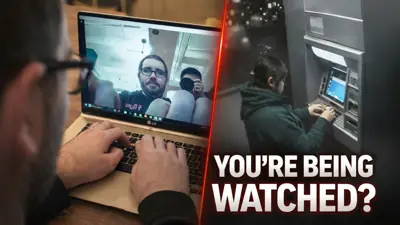
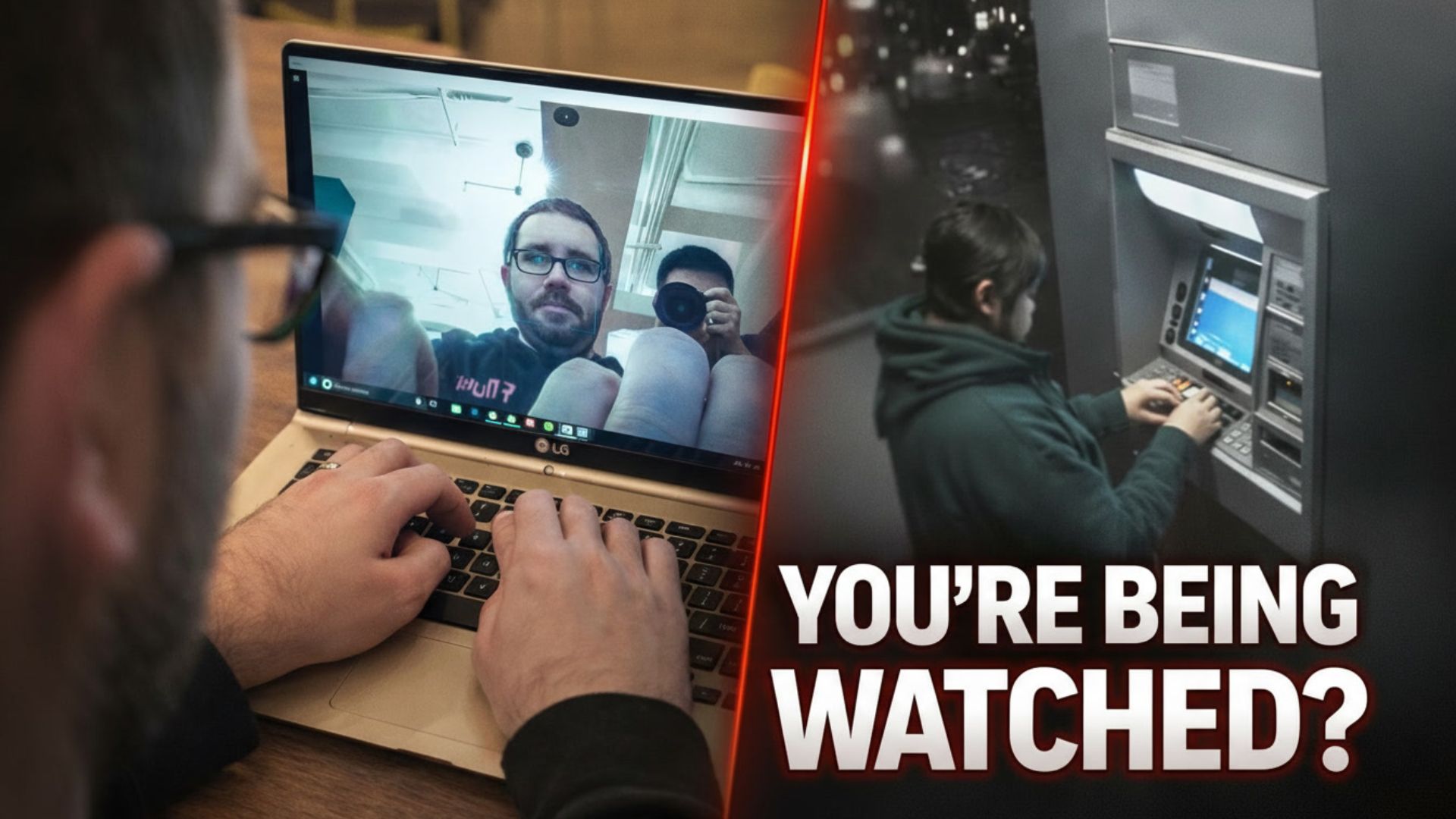
In some cases, webcams have exposed private homes, revealed security blind spots, and even streamed unsecured cameras without the owner ever realising.
These are not hypothetical scenarios - they are documented, real-world occurrences that are worth understanding.
So let's talk about the dark side.
__________________________________________
Are Live Webcams Safe?
In most cases, yes - but with important exceptions. Public webcams are generally safe to view, and public webcam privacy laws in most countries permit filming in open spaces.
However, risks do exist - particularly around the misuse of footage, unsecured private cameras that can be hacked, and the broader ethical questions around surveillance.
Understanding these risks is key to using webcams safely and responsibly.
The short answer to 'are live cameras legal?' is yes - in public spaces, in most jurisdictions.
But as with most technology, the full picture is more nuanced than a simple yes or no.
__________________________________________
Privacy in Public
- A Complicated Question -
Live webcam privacy concerns are among the most frequently raised objections to public streaming - and they are legitimate, though perhaps not in the way most people assume.
The legal reality in most countries is this: if you are in a public space, you have a reduced expectation of privacy.
A camera pointed at a town square, a beach, a street corner, or a harbour is generally legal.
You can be filmed going about your day, and there is little legal recourse in most jurisdictions.
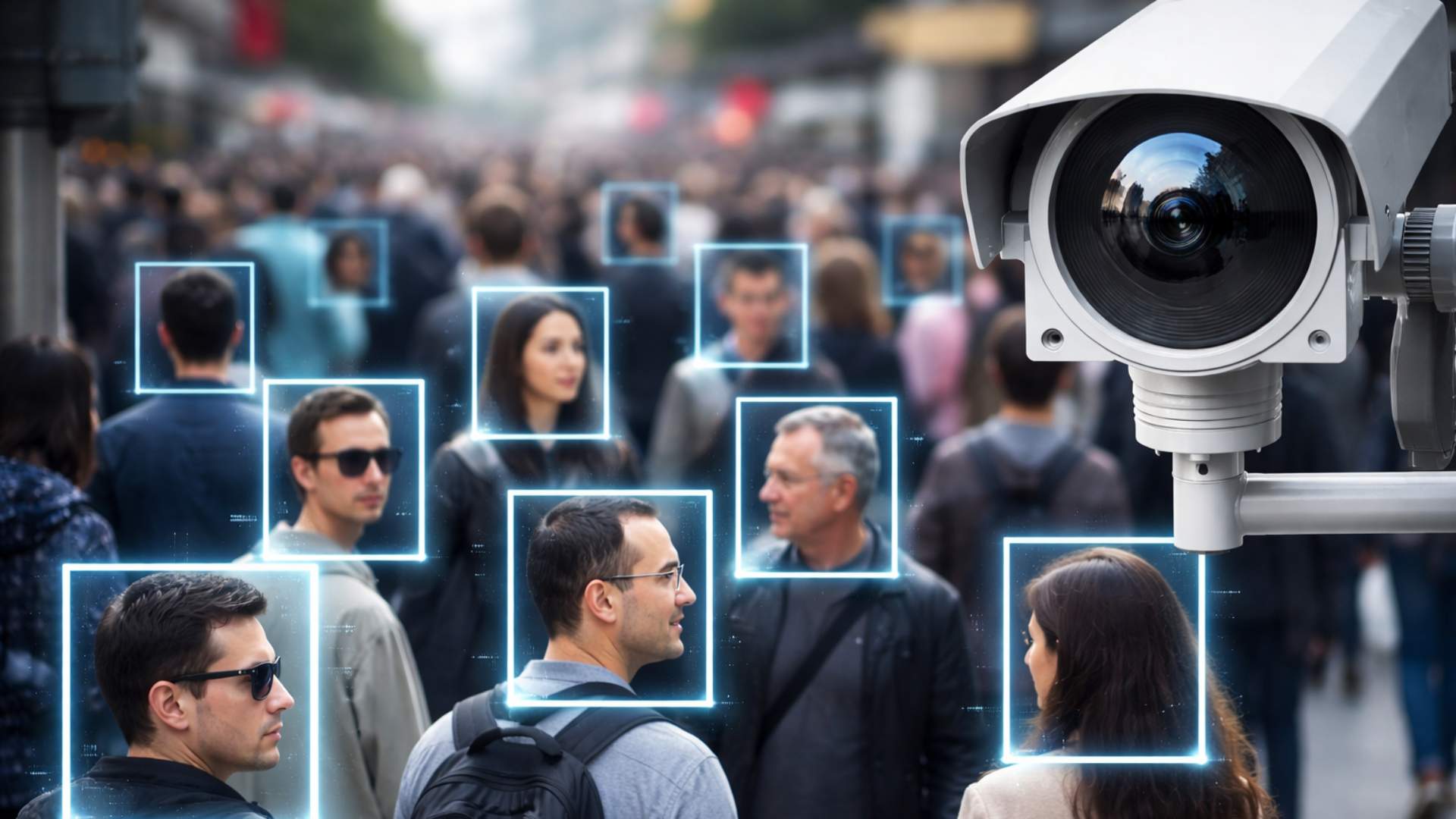
What makes live webcams feel different from CCTV is their reach. A security camera in a shopping centre is watched by a handful of security staff.
A live webcam pointed at the same square might be watched by thousands of people simultaneously, from anywhere in the world.
The footage can be screenshot, shared, and stored by anyone watching.
This global reach changes the nature of surveillance in ways that legislation hasn't fully caught up with.
We explored just how extensive public camera networks have become in our article on the most surveilled cities on Earth - the scale is genuinely staggering.
__________________________________________
Misuse of Public Feeds
- The Grey Areas -
Most people who watch live webcams are curious, harmless, and just enjoy seeing the world.
But as with any public platform, a small minority use access irresponsibly.
Public webcam feeds have been used to:
- Monitor the movements of individuals without their knowledge
- Identify the locations of vulnerable people or properties
- Screenshot and share images of people in public spaces without consent
- Gather intelligence on locations for purposes that aren't always benign
It's worth being clear: most of these activities sit in a legal grey area rather than being outright illegal. But legal and ethical are not always the same thing.
The operators of responsible webcam platforms take steps to limit misuse - avoiding cameras that peer into private spaces, removing feeds that attract inappropriate attention, and moderating content where possible.
Platforms like EarthLive.TV focus only on publicly shared, appropriate streams - avoiding private or unsecured cameras entirely.
But in a world of millions of public streams, comprehensive oversight is genuinely difficult.
__________________________________________
Can Webcams Be Hacked?
- The Real Growing Problem -
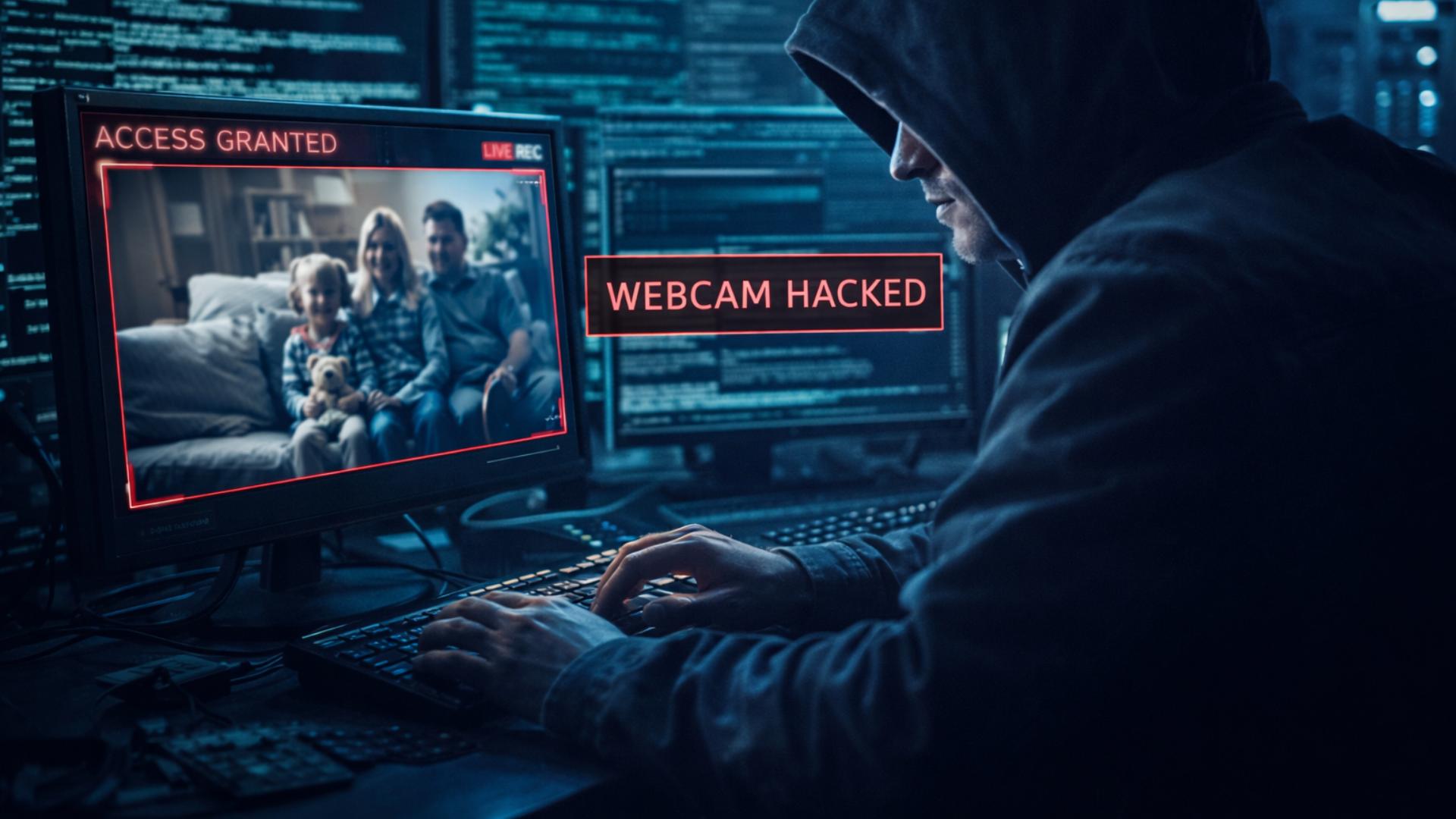
Perhaps the most concrete and serious risk in the webcam world is security vulnerabilities - and specifically, cameras that are accessible online because they were never properly secured in the first place.
It is estimated that millions of internet-connected cameras worldwide are accessible without a password.
These are not cameras that someone hacked - they are cameras that were installed with default credentials and never changed.
Anyone who knows where to look can access them directly.
This is a very different category to the public webcams you'd find on a platform like EarthLive.TV - which are voluntarily shared by their owners.
The concern here is with private cameras - home security systems, baby monitors, office cameras - that have been inadvertently exposed to the internet.
If you run any kind of internet-connected camera at home or at work, the single most important thing you can do is change the default password.
Most security incidents involving home cameras are entirely preventable with this one step.
__________________________________________
The Bigger Ethical Question
- Who Decides What We See? -
Beyond the practical risks, live webcams raise a philosophical question that doesn't have an easy answer: in a world where anyone can point a camera at anything and share it globally, who decides what should and shouldn't be broadcast?
A camera overlooking a busy market in Marrakech might delight thousands of curious viewers worldwide - and simultaneously make local residents feel observed without their consent.
A wildlife cam in a remote nature reserve provides invaluable conservation data - and also reveals the exact location of endangered animals to anyone watching.
The world watching the world is, at its best, a democratising and connecting force. At its worst, it is surveillance by another name - normalised and monetised.
Most live webcam use falls somewhere between those two extremes.
But the ethical questions are worth sitting with - particularly as the number of cameras continues to grow and the technology to analyse and interpret footage becomes more powerful.
__________________________________________
National Security & Cameras
- The Bigger Picture -
At a national level, governments around the world manage and regulate public camera infrastructure - and for good reason.
The balance between public transparency and national security is a genuine and complex one.
Public live feeds of city streets, transport hubs, and public spaces are generally managed with the understanding that they show what any member of the public could see in person.
Sensitive infrastructure - airports, military facilities, government buildings, border crossings - is deliberately excluded from public streaming.
Some governments actively restrict or blur location data for national security reasons.
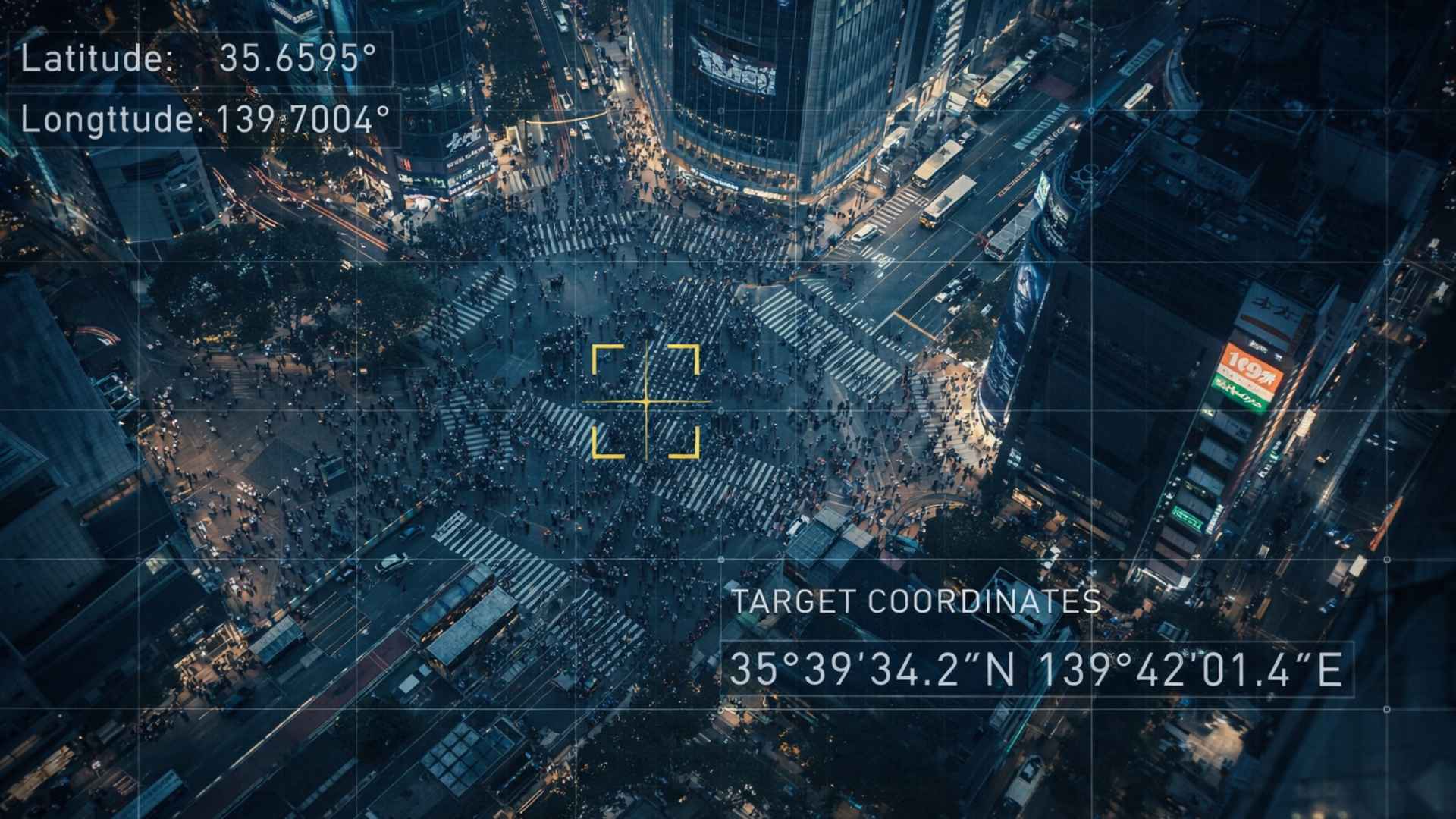
South Korea is a notable example - Google Maps deliberately withholds precise GPS coordinates within the country, a direct response to concerns that detailed mapping data could be exploited for military targeting.
The same logic applies to live webcams near sensitive infrastructure - what looks like an innocent stream could inadvertently reveal strategic information to those looking for it.
At the more extreme end, some governments have used control over internet infrastructure as a tool of suppression.
During civil unrest in Iran, authorities enacted internet blackouts - cutting off not just webcam access but all digital communication - both to prevent the outside world from witnessing events on the ground and to disrupt the ability of citizens to organise.
The same cameras that connect the world can, in the wrong hands, become instruments of control rather than transparency.
During major events, emergencies, or periods of heightened security, authorities can and do restrict or suspend public feeds.
This is not always censorship - it is sometimes a reasonable management of risk in circumstances where real-time location data could genuinely endanger people.
The line between openness and control is constantly being negotiated - by governments, by platform operators, and by the public.
It is not a settled question, and it probably never will be.
__________________________________________
Are the Risks Overblown?
- An Honest Assessment -
Having laid out the concerns honestly - here's an equally honest counter-argument: for the vast majority of people, the risks of live webcams are relatively low.
The privacy concerns around public cameras are real but not new - CCTV has existed for decades and the legal framework around public filming is well established. The misuse of public feeds is rare compared to legitimate use.
The security risks of unsecured home cameras are serious, but entirely within the individual's power to address.
The webcam world is not inherently dangerous. It is, like most powerful technologies, neutral - shaped entirely by the intentions of those who use it.
If you're curious about just how strange and fascinating the webcam world can get, our article on 15 weird and wonderful webcam facts is a good reminder that most of what's out there is simply people sharing their corner of the world with anyone who's curious enough to look.
What You Can Do - The Practical Steps.
Awareness is more useful than anxiety. Here are a few simple, practical things worth knowing:
1. Change default passwords: On any camera you install at home or at work. This single step prevents the vast majority of unauthorised access.
2. Know what your cameras can see: Outdoor cameras should point at your property, not at neighbours or public spaces where you could create your own privacy issues.
3. Use reputable platforms: Curated webcam directories feature voluntarily shared, publicly appropriate feeds. They are a very different proposition to unsecured camera databases.
4. Stay informed: The law around public filming and data privacy is evolving. Understanding your rights in your own country is genuinely useful.
__________________________________________
Awareness. Not Fear.
Live webcams are, on balance, a remarkable and largely positive technology.
They connect us, inform us, entertain us, and remind us that the world is bigger, stranger, and more beautiful than our daily routines suggest.
But they are not without complexity.
The privacy questions are real. The security risks are real. The ethical debates are ongoing. And engaging with those questions honestly - rather than ignoring them - makes us better, more thoughtful participants in the connected world we all share.
The goal is not to be afraid of the cameras. It's to understand them.
Want to explore what responsible, curated live webcam browsing looks like?
Browse by interest, country, or use the live interactive map to see the world through a lens that's been shared freely and openly - exactly as it was intended.
Explore thousands of live cameras from around the world - safely and responsibly.
__________________________________________