Live webcams have been part of the internet since before most people had heard of the internet. Behind the scenic views and the wildlife feeds sits a stranger, funnier history than the polished version usually told.
From a government crackdown on fruit to a teenager who built a global phenomenon in a weekend in his bedroom, these are the stories that prove webcams are far odder than they look.
The Roach Cam
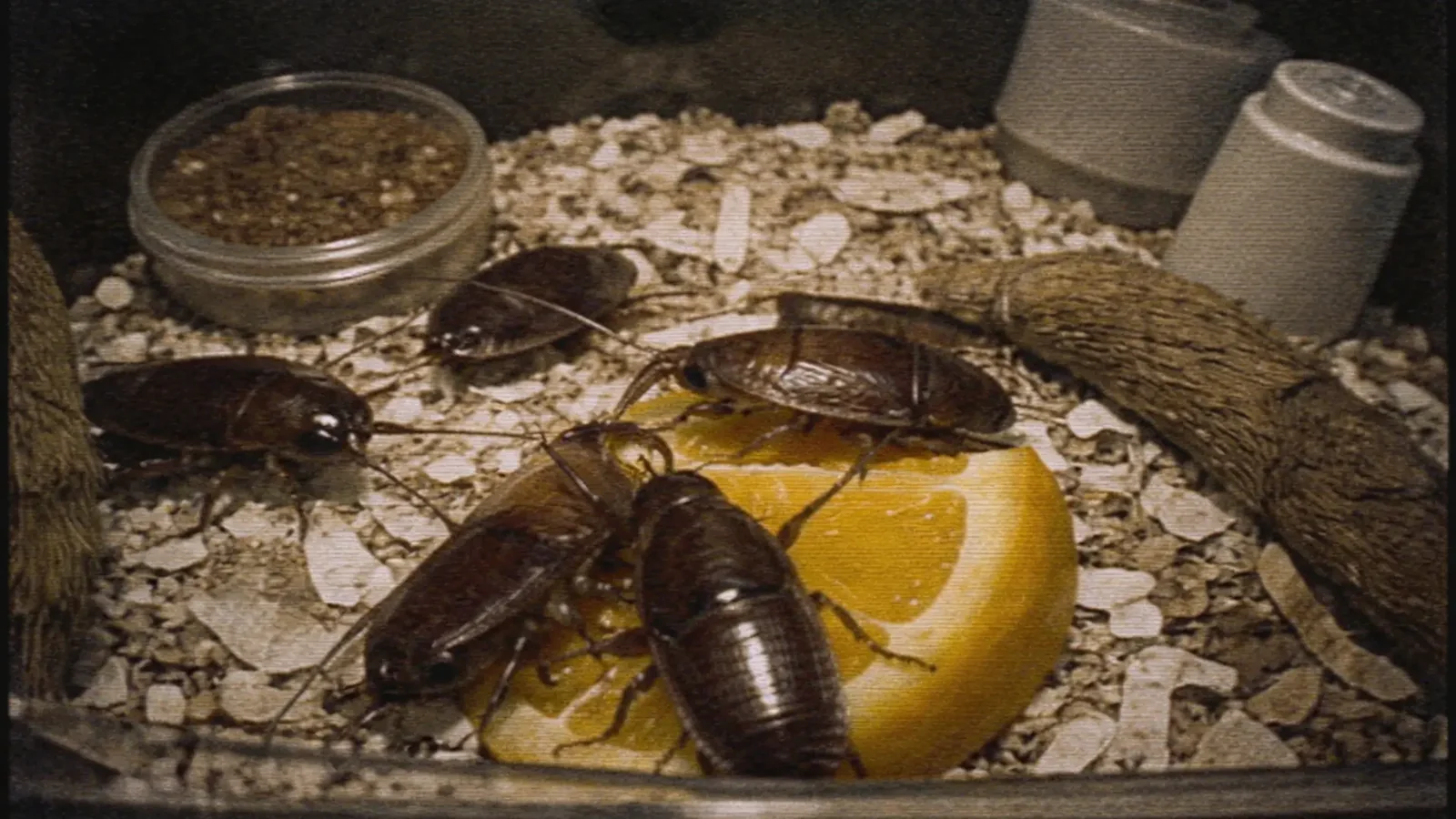
Illustration: EarthLive.TV
The internet’s first animal star: Long before panda cams and eagle nests, the University of South Carolina pointed a camera at a colony of giant Madagascar hissing cockroaches and put it on the internet.
The cam lived in Room 706 of the Coker Life Sciences Building in Columbia, maintained by biologist Dr. Timothy A. Mousseau. Its page cheerfully described the roaches as excellent mothers: the females carry their developing embryos internally and give birth to live young.
The date usually given is December 1993, which would make it one of the oldest animal webcams ever built. It’s worth being honest about where that date comes from, though. The cam’s own page says “if memory serves,” and we couldn’t find any independent source confirming the month. Treat it as the operator’s recollection, not a record.
Status: The page still loads, but it was last updated in August 2013 and no live image remains. Gone in all but name.
Amazing Fishcam
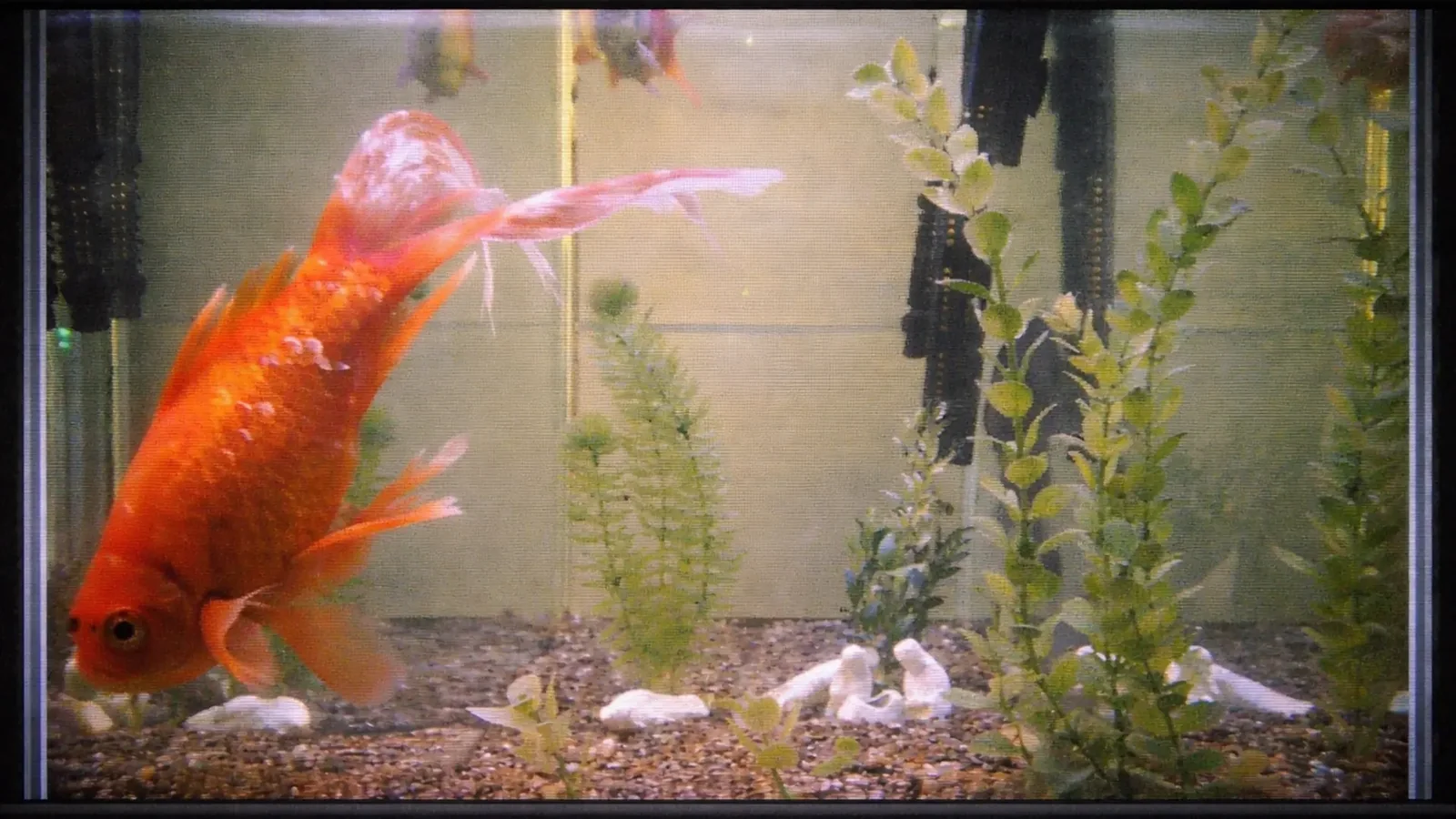
Illustration: EarthLive.TV
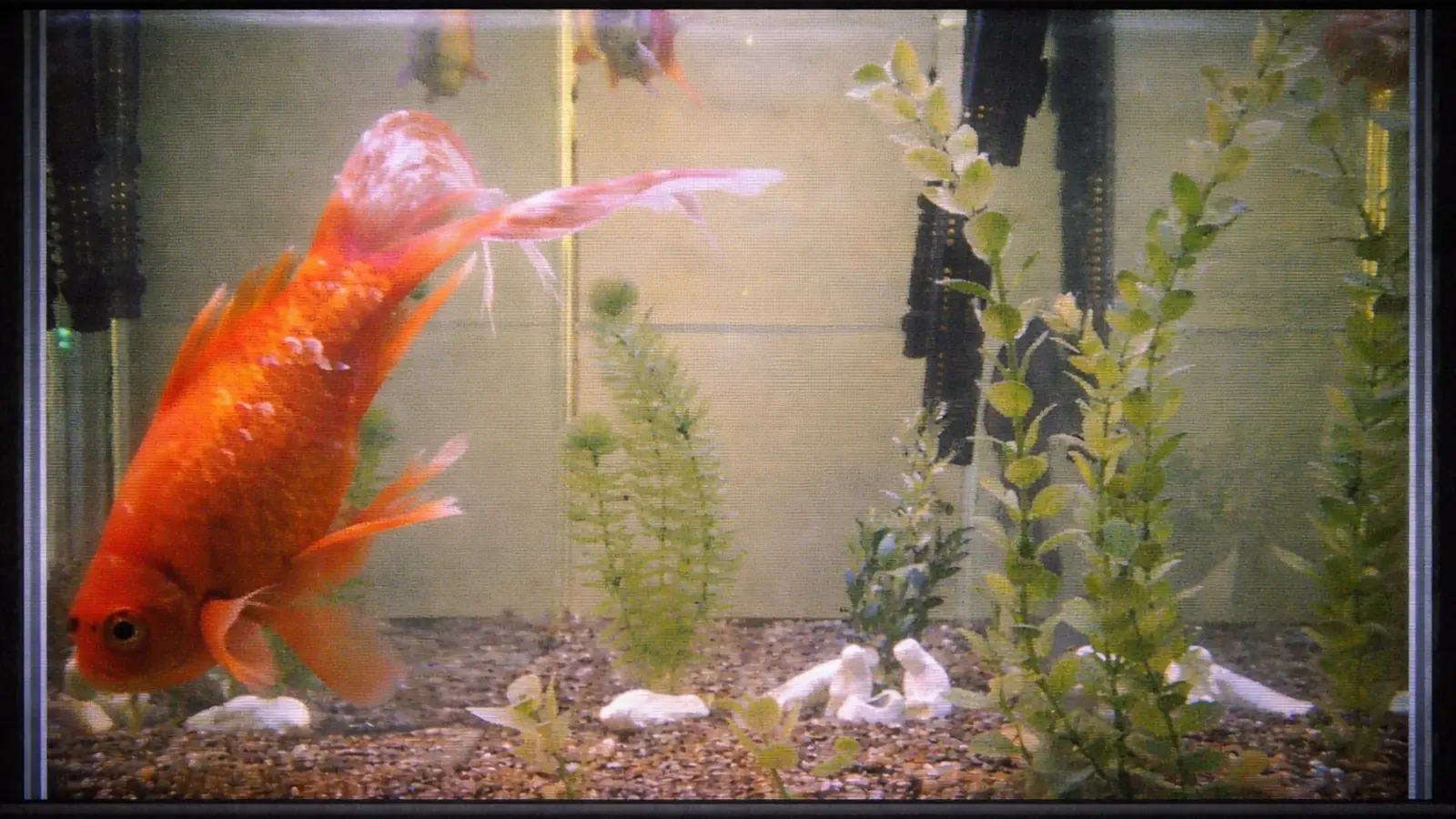
The fish tank that tested the web: In 1994, Lou Montulli, a founding engineer at Netscape, pointed a camera at a fish tank in the company’s office. It became one of the earliest live-image sites on the web, and a genuine test bed: features Netscape was building for the young internet, including looping animated GIFs and image uploading, were tried out on the fish.
At its peak between 1994 and 1996, it drew around 100,000 unique visitors a day, at a time when only a few million households could get online at all. It was popular enough that Netscape Navigator hid a shortcut to it, Ctrl+Alt+F, an easter egg that survived in Firefox until February 2009.
One correction to the version usually told online: it hasn’t run continuously ever since. The original Netscape-hosted feed went dark in 2008, and Montulli rebuilt it with a new tank the following year. The tank has since moved again, to San Carlos, California.
Status: fishcam.com is live, though the tank has been in transition and the camera has at times been pointed elsewhere. Check before you promise anyone fish.
Garden Bubble Cam
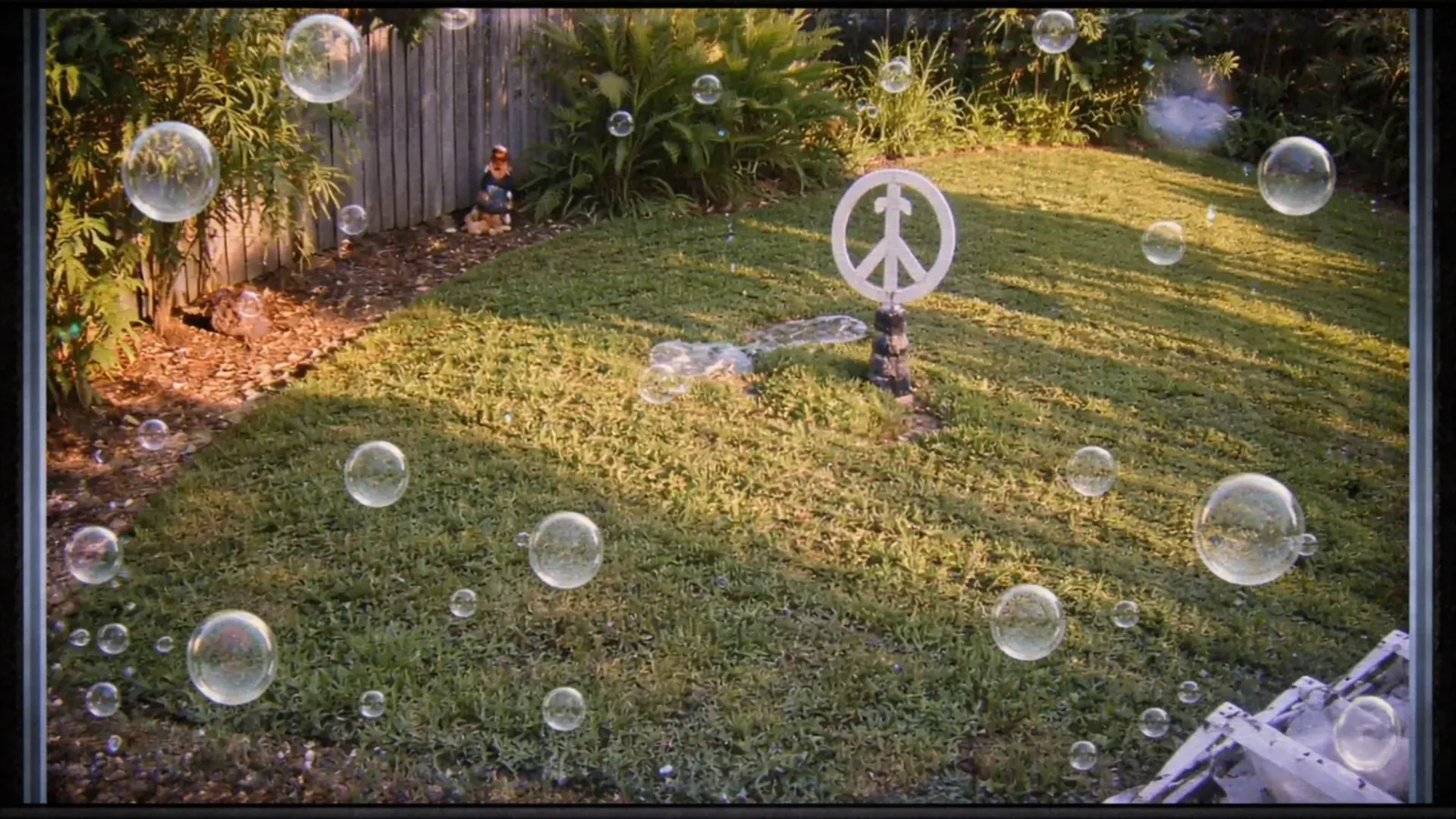
Illustration: EarthLive.TV
One million button presses: Somewhere in south Florida, a couple called Andie and Mike keep a bubble machine in their garden, wired to a camera and a button that anyone on the internet can press.
It isn’t pointless, whatever the listicles say. It started at Halloween in 2000, when Andie bought a high-volume bubble machine for the trick-or-treaters. It kept running dry, so Mike rigged a remote control to switch it on and off from the porch. Andie said it was a shame people couldn’t turn it on from the internet. Mike, by his own account, went into tinker mode.
The cam went live in 2001. Each press now gives a 15-second blast of bubbles. In 2024 it passed one million button presses, and they have the logs going back to day one.
Status: Live. Still counting.
Cat Restaurant
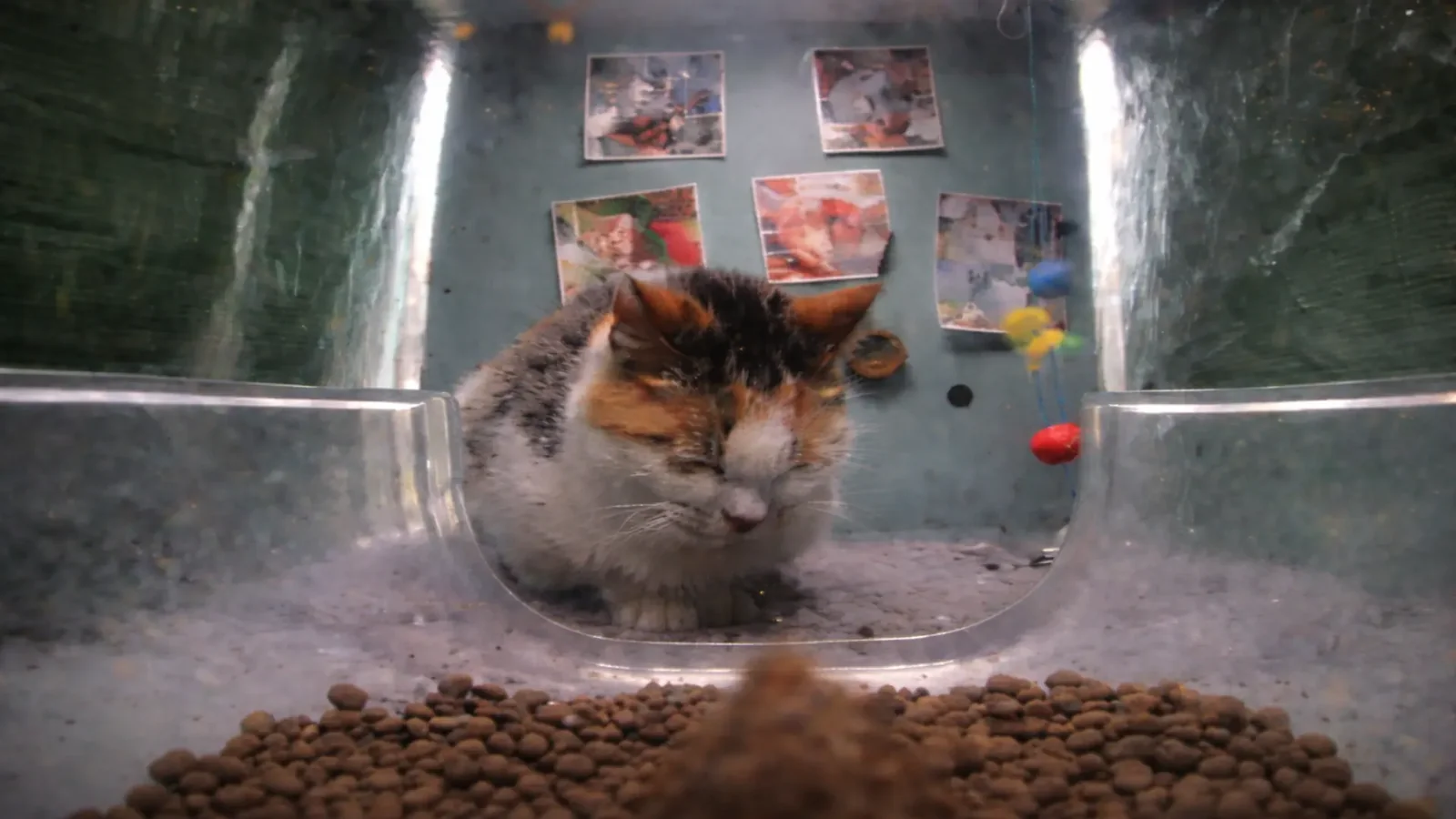
Illustration: EarthLive.TV
Funded entirely by strangers: A South Korean man named Koo Eun-je, then 35 and a former web designer, left some fish scraps out for a stray cat while visiting his mother-in-law in a mountain village in the southwest of the country. The cat came back. So did others, eventually about 17 of them.
He set up a camera and called it a restaurant for cats, with a chalkboard menu and the cats’ nicknames written up beside it. The show was called Cats Meok Bang, a play on the Korean craze for watching people eat on camera. Viewers sent cash gifts, which went on cat food.
The internet usually gets two things wrong. The stream was reported at the time as viewable only inside South Korea, with clips circulating elsewhere. And while reporters said it softened attitudes to strays, nobody ever measured that, so treat it as a nice story rather than a finding.
Status: No evidence of an active feed. The story dates from 2016.
FogCam
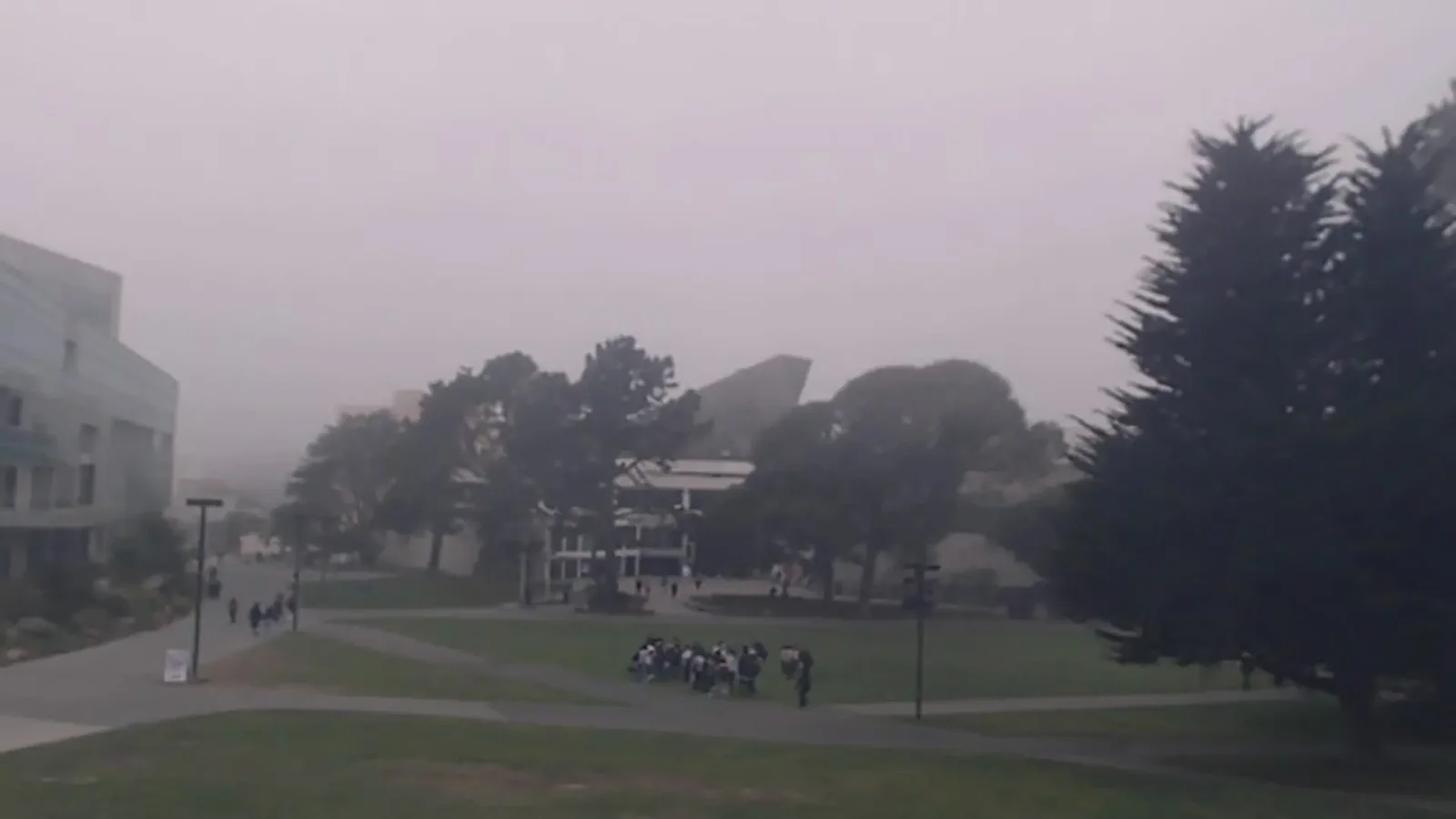
Illustration: EarthLive.TV
Saved by public outcry: The San Francisco FogCam was built in 1994 by two San Francisco State University students, Jeff Schwartz and Dan Wong, known as Webdog and Danno, as a student project. They scrounged old equipment nobody wanted and a cheap camera from the college bookstore.
It’s the oldest continuously operating webcam in the world, and that isn’t a boast: Guinness World Records recognized it as the longest-running webcam in 2008.
In August 2019, the pair announced they were shutting it down. They’d run out of good locations, and Schwartz told reporters the university had tolerated the cam but never endorsed it, so they’d always had to find secure spots themselves. The internet objected loudly enough to make the New York Times and NPR, the hashtag #SaveTheFogCam spread, and the university took the cam over. Schwartz handed it across on August 28, 2019.
Three decades on, it still shows a largely unremarkable view of a campus street, updating every 20 seconds.
Status: Live.
South Pole Cam
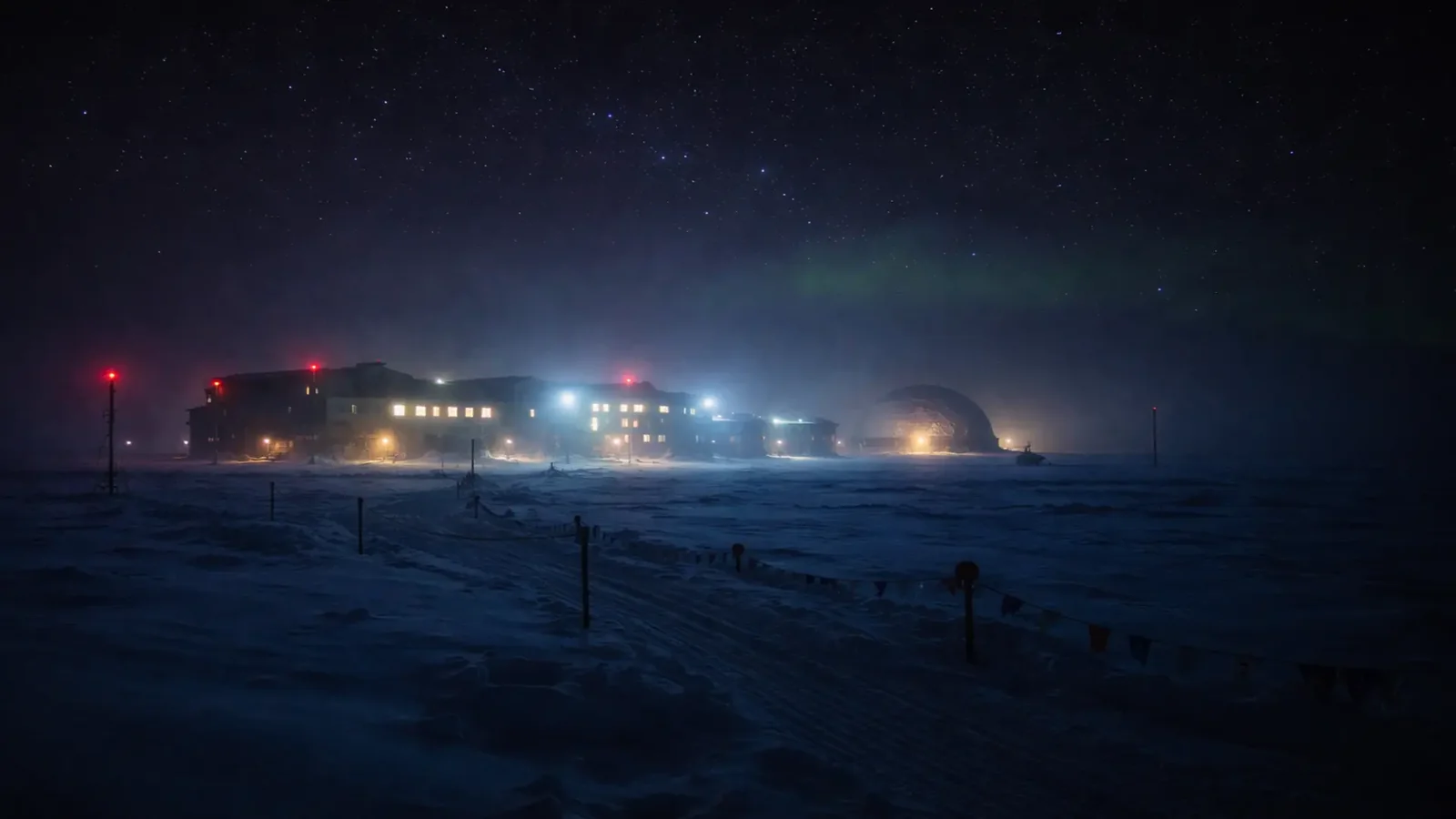
Illustration: EarthLive.TV
Six months without a sunrise: NOAA runs a camera at its South Pole Observatory, part of the National Science Foundation’s Amundsen-Scott South Pole Station, nearly 9,500 feet (2,900 m) up on the Antarctic plateau. It sits on the roof of the Atmospheric Research Observatory and sends back a fresh image every 15 minutes, whenever a relay satellite is available.
The numbers are hard to take in. Staff there see one sunrise and one sunset a year. The sun drops below the horizon around the March equinox and doesn’t come back until around September. And for nine months of the year, no aircraft can reach them, because aircraft systems don’t work in that cold, according to NOAA.
It’s often said that the camera shows nothing at all during the winter. That’s not quite true: it shows no sunlight. NOAA’s own winter photos from the site include a green sky and a nearly full moon above the telescopes. Starlight, moonlight and the aurora australis are all still there. Only the sun goes missing.
For more cameras at the bottom of the world, see 5 of the Loneliest Live Webcams on Earth.
Status: Live, as a still image refreshed every 15 minutes.
China’s Banana Ban

Illustration: EarthLive.TV
The rule nobody quite wrote down: In April 2016, China’s Ministry of Culture opened an investigation into live-streaming platforms, among them Douyu, Huya, YY, Panda TV and Zhanqi TV, over content it saw as pornographic, violent or harmful to social morality.
What followed became one of the most-repeated internet stories of the decade, and it’s usually told wrong. The platforms were ordered to monitor their own output around the clock. State broadcaster CCTV then reported the rules the platforms were applying. One of them was that female streamers couldn’t eat bananas seductively on camera. Stockings and garters were out too, UPI reported.
So no law anywhere has the word “banana” in it. What happened was a government crackdown, a pile of nervous platforms writing their own rules, and state media reporting the results. Critics at the time pointed out the obvious flaw: the world contains other fruit.
Status: Not a camera. Still the strangest thing ever banned from one.
China’s All-Seeing Eye

Illustration: EarthLive.TV
The number everyone gets wrong: You’ll read everywhere that China has 770 million CCTV cameras. That isn’t a verified count for China, and the mix-up is worth untangling because outlets that should know better keep repeating it.
770 million was the estimated number of surveillance cameras in the whole world, from IHS Markit figures around the end of 2019, and a little over half of them were in China. A separate, later estimate puts the figure inside China at roughly 700 million. That’s close to one camera for every two people, or around 494 per 1,000. Both numbers are estimates: there’s no published national count, and China’s figures can’t be checked city by city because the data isn’t released. Part of the network runs under a program known as Skynet, which makes heavy use of facial recognition.
Does it work? That’s genuinely contested. Comparitech, which built the best-known city-by-city index, found little link between camera density and crime. But a 2026 study in the Journal of Development Economics, using Chinese data from 2014 to 2019, found that cities which installed more cameras saw much steeper falls in crime, especially crimes committed in public view. Different methods, different answers. Anyone telling you it’s settled is selling something.
For the full ranking, see The Most Surveilled Cities on Earth.
Status: Not a camera. Around 700 million cameras.
Max Headroom Hijack

Illustration: EarthLive.TV
Chicago’s unsolved broadcast crime: On the evening of November 22, 1987, someone wearing a Max Headroom mask hijacked the broadcast signals of two Chicago TV stations, two hours apart.
The first cut into WGN’s 9 o’clock news during the sports segment. UPI, reporting two days later, put it at about 25 seconds. There was no audible speech, just a masked figure swaying in front of a sheet of corrugated metal. Engineers regained control by changing the frequency of the link between the studio and the transmitter.
At 11:10 p.m., the same figure appeared on WTTW during an episode of Doctor Who. Nobody was on duty at that transmitter. That one ran about 90 seconds, with distorted but audible speech, and got considerably stranger before it ended. It was strange enough that WTTW’s spokesman had to remind people it was a federal crime, not a joke.
A WGN engineer’s theory at the time was that someone had used a microwave transmitter to overpower the signal being beamed from the stations to their transmitters on the John Hancock building and the Sears Tower. There was a precedent. The year before, a man calling himself Captain Midnight had broken into HBO’s signal, and he was caught, fined $5,000 and put on probation.
The Federal Communications Commission investigated. Nearly four decades on, nobody has been identified or charged, WTTW says.
Status: Not a camera. Never solved.
Great Moose Migration

Photo: magway / Pixabay
Millions watching an empty river: Every spring, Swedish broadcaster SVT points dozens of remote cameras at a stretch of forest in the north of Sweden and waits for moose to swim across the Ångerman River on their way to summer grazing.
That’s the whole program.
Den stora älgvandringen, usually translated as The Great Moose Migration, first ran on SVT Play in 2019, streaming without a break for 21 days. Close to a million unique viewers watched, clocking up almost five million hours between them, according to SVT. By 2021 that had risen to 12 million hours watched, and by 2024 the audience was around nine million.
The production isn’t small. Recent seasons have run 26 remote cameras and seven night cameras, linked by about 12 miles of cable through the forest, plus a drone, with a team in a control room in Umeå switching between feeds whenever anything moves, Smithsonian Magazine reports.
What makes it so compelling is that, for hours at a time, nothing does. The number of moose that actually swim across on camera swings wildly from year to year: 60 in the first season, 21 in 2023, and a record 87 in 2024.
The 2026 season, its eighth, started five days early, at midnight, because the snow had gone and the ice was almost clear. The team had hoped for a three-figure year. They got 41, and switched the cameras off early, at 11 p.m. on May 5, once the crossings had petered out. Their project leader put it plainly: the program’s selling point is lots of moose on screen, and that was over. Postcard TV is all very well, he added, but the animals can have the place back now.
Status: Seasonal. Finished for 2026. SVT has confirmed it returns in 2027.
Chatroulette

Illustration: EarthLive.TV
Built in a bedroom in a weekend: In November 2009, a 17-year-old Moscow school student named Andrey Ternovskiy put a website online that connected strangers at random by webcam. He’d been video chatting with friends on Skype and got bored of seeing the same faces.
By his own account, he wrote the first version in two days and two nights, though the New Yorker’s profile of him says three. An earlier prototype had already been running since that August under a different name. Early growth was funded with $10,000 from his parents, which he paid back, and as late as March 2010 he was still running the whole thing from his childhood bedroom.
It went from 500 visitors a day to a global phenomenon within months. It was covered by the New York Times and the New Yorker and mocked on The Daily Show. The name came from watching The Deer Hunter.
Status: The site still runs, but it’s a long way down from its peak.
Pitch Drop

Illustration: EarthLive.TV
99 years and nobody was watching: In 1927, Professor Thomas Parnell at the University of Queensland in Australia poured heated pitch into a glass funnel to prove that a substance you can shatter with a hammer is actually a liquid. He cut the funnel’s stem in 1930 and let gravity get on with it.
Nine drops have fallen since. Each takes roughly a decade.
John Mainstone became the experiment’s custodian in 1961 and held the job for 52 years. He never saw a single drop fall, and the university has documented exactly how close he came. He missed one by a day in 1977. He missed another by five minutes in 1988, while the experiment was on display at World Expo in Brisbane. And in 2000, with a webcam finally installed specifically to catch the moment, the drop fell during a 20-minute power cut. He died in August 2013, aged 78, never having seen one.
By the time the ninth drop was due, nearly 25,000 people from 158 countries had registered to watch it live.
The first pitch drop ever filmed falling wasn’t Queensland’s at all. It was a parallel experiment at Trinity College Dublin, caught on camera on July 11, 2013, weeks before Mainstone died.
Queensland’s ninth drop, in April 2014, came with a final twist. It touched the eighth drop instead of falling clear, so custodian Andrew White decided to change the beaker before the two fused. As the bell jar was lifted, the base wobbled and the drop snapped away from the funnel. It counts. It just wasn’t what anyone had waited nearly a century for.
Status: Live, and the tenth drop is forming.
Cambridge Coffee Pot
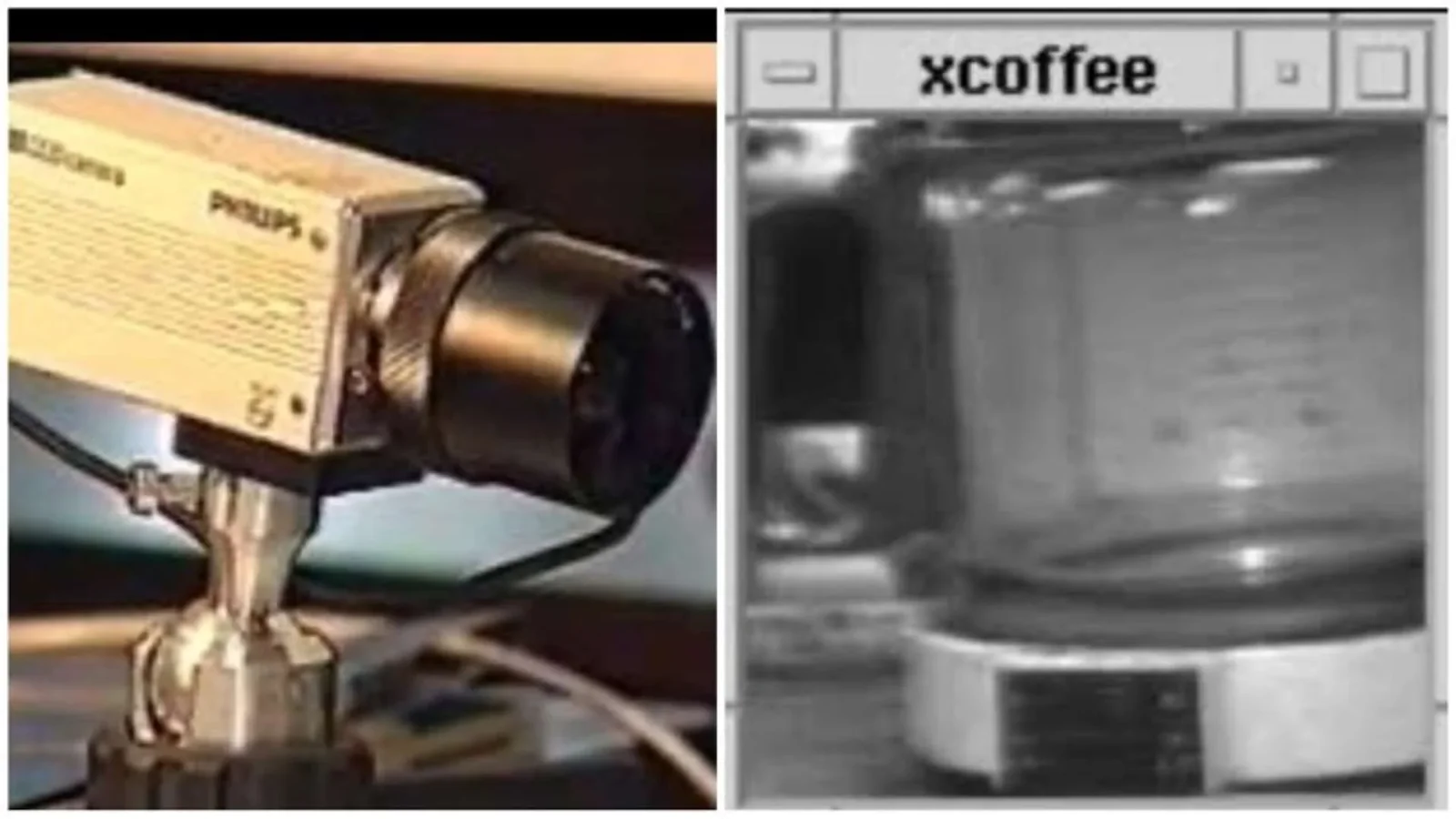
Illustration: EarthLive.TV
The £3,350 cup that started everything: In 1991, researchers in the Computer Laboratory at the University of Cambridge, in the United Kingdom, were sick of walking to the Trojan Room for coffee only to find the pot empty. Quentin Stafford-Fraser and Paul Jardetzky pointed a camera at it and wrote software that pushed a 128×128 black-and-white image onto the building’s internal network, so colleagues could check from their desks.
In 1993 it went onto the web and became one of the first viral hits the internet ever had. People wrote in from Japan asking the lab to leave the light on overnight so they could watch during their daytime.
The camera was switched off at 09:54 UTC on August 22, 2001, when the department moved buildings. The shutdown made the front pages of The Times and the Washington Post.
The pot went up for auction on eBay, drew 71 bids and sold for £3,350, about $4,900 at the time, to Spiegel Online in Germany, The Register reported. Krups refurbished it for free, and it went back into service making coffee for the magazine’s staff.
Status: Ended in 2001. The last image it ever took, of a hand reaching for the switch, is still online.
JenniCam
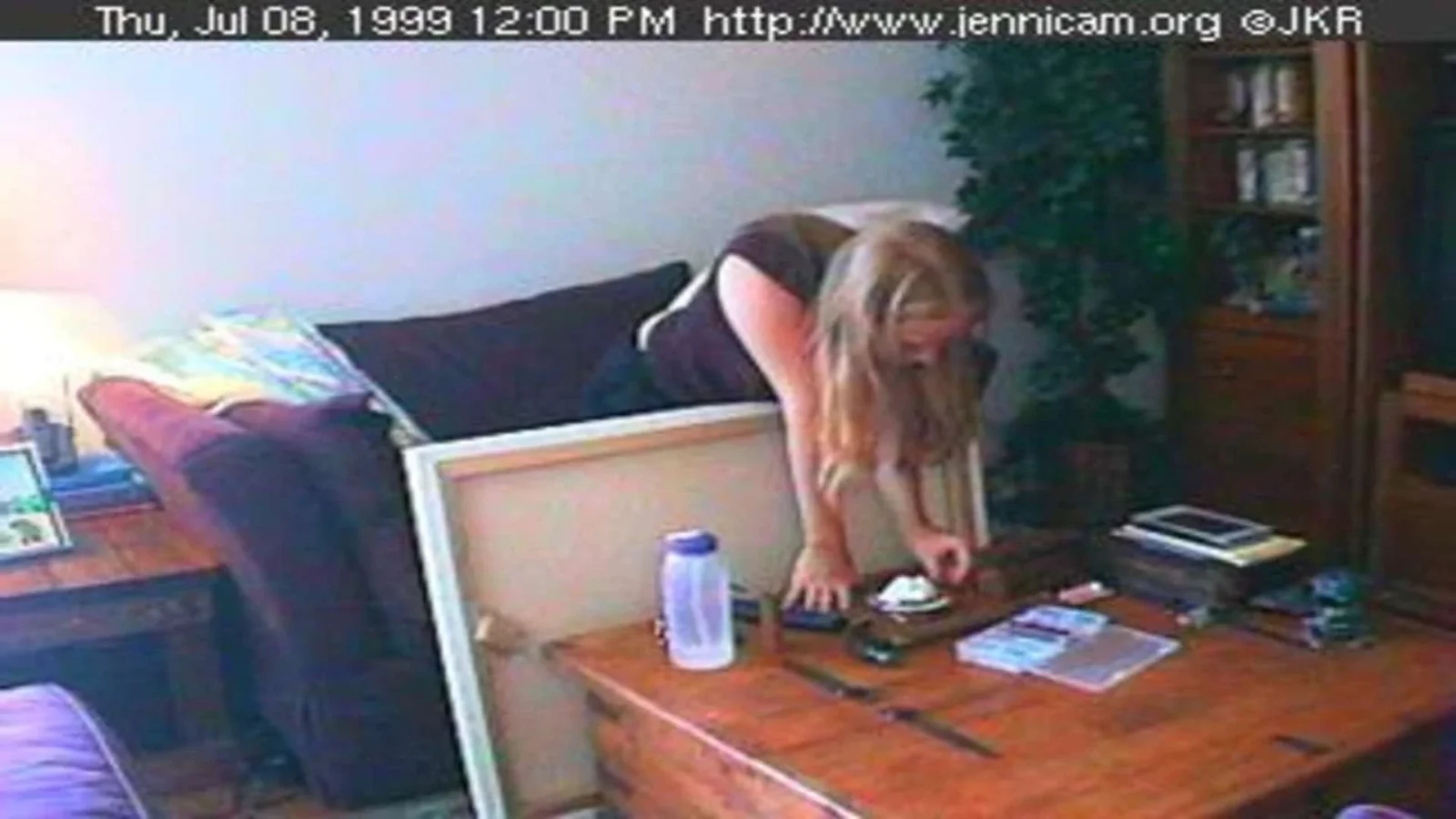
Illustration: EarthLive.TV
The first lifecaster: On April 14, 1996, a 19-year-old Dickinson College student named Jennifer Ringley pointed a webcam at her dorm room and wrote a script to upload a new image every few minutes, around the clock, unedited. She has said she did it as a programming challenge and shared it with a couple of friends.
It ran for seven years and made her one of the most visited destinations on the internet. She appeared on David Letterman in 1998. Be careful with the traffic numbers, though. The figures quoted over the years (Ringley’s own seven million, news reports of 4.5 to 5.5 million at the time, and a 1997 claim of 20 million) are all hits, not people. A single visitor refreshing the page all day could generate thousands.
The ending is usually told too neatly. In October 2003, PayPal closed her account under its policy on mature content, cutting off the subscriptions that paid for the site. She shut JenniCam down at the end of that year without publicly giving a reason. In later interviews, she described burnout and wanting to be private again, after years of living in public and the fallout from an on-camera relationship, Gizmodo reported. PayPal was an immediate practical factor, but clearly not the whole reason.
Status: Ended December 31, 2003.
Decorah Eagles
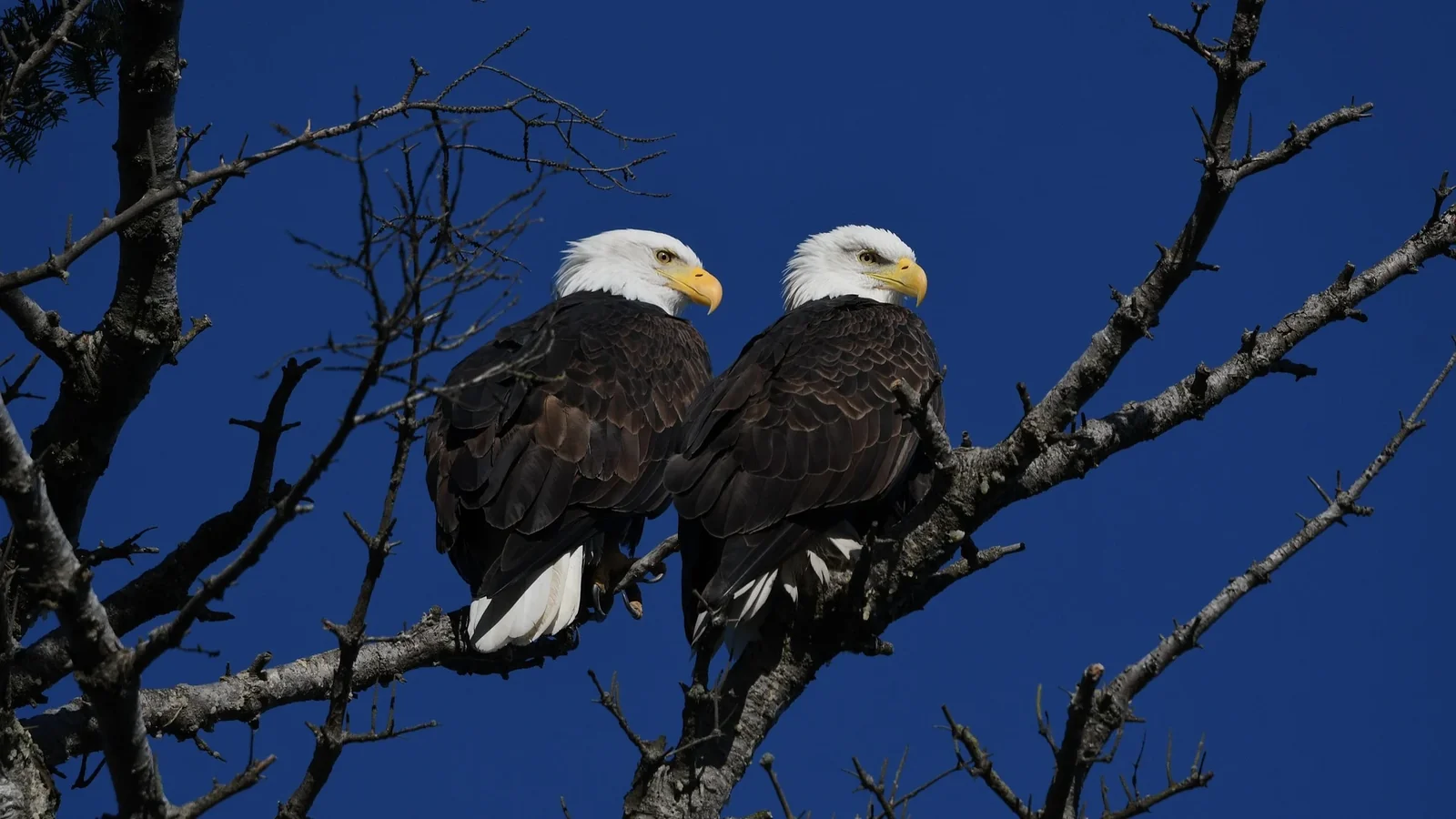
Photo: Veronika_Andrews / Pixabay
Hundreds of millions of views for two birds: In 2011, a pair of bald eagles nesting near the trout hatchery at Decorah, Iowa, became what Ustream called the most-watched live video it had ever carried.
The timeline is messier than usually reported. The Raptor Resource Project was filming the nest by 2006–07 and had images online before the feed moved to Ustream in 2011, which is when it took off. In a single 29-day stretch that spring it added roughly 70 million views, about 2.4 million a day, TechCrunch reported. That overtook Ustream’s coverage of the Chilean mine rescue, the previous record holder. The feed passed 200 million views that year.
Here’s the key correction, because this one gets repeated endlessly: those are views, not viewers. The figures you’ll see quoted (250 million, later 344 million) count plays, not people. The average viewer in April 2011 watched for over six hours, which is exactly why the view count runs so far ahead of the actual audience. Nobody can claim “more people than the population of the United States” watched.
The eaglets aren’t named, only given codes. The famous 2011 brood were E1, E2 and E3, and the broods before them are logged simply as “not named.” Decorah has now produced more than 40 eaglets in a quarter-century of nests.
For more nest cams, browse our Birds cams.
Status: Live. The current pair, HD and HM2, are on the sixth nest built around the hatchery. This year’s two eaglets, DH3 and DH4, both fledged on June 18, 2026.
Explore more of the world’s live cameras on our Live Webcam Map, or browse by Interest and Country.
 Take Me Anywhere
Video Transcript On-screen text
#15 The Roach Cam - The internet's first animal star
Around 1993, a US university streamed giant hissing cockroaches live - one of the first animal webcams.
#14 The Fishcam - The fish tank that tested the web
In 1994 a Netscape engineer put a webcam on a fish tank. At its peak it drew 100,000 visitors a day.
#13 Bubble Cam - One million button presses
A Florida couple let anyone online switch on their garden bubble machine. It hit one million clicks in 2024.
#12 Cat Restaurant - Funded entirely by strangers
A man in South Korea fed a stray cat, then streamed it. It grew to 17 regulars, fed by viewers' cash gifts.
#11 The FogCam - Saved by public outcry
Running since 1994, it's the world's longest-running webcam. When it nearly shut in 2019, fog fans saved it.
#10 South Pole Cam - Six months without a sunrise
At the South Pole, the sun circles the sky for six months, then vanishes for another six. One sunrise and sunset a year.
#9 China's Banana Ban - The rule nobody quite wrote down
In 2016, Chinese streaming sites banned female hosts from eating bananas seductively on camera.
#8 The All-Seeing Eye - China's vast CCTV network
China has an estimated 700 million CCTV cameras - that's roughly one camera for every two people.
#7 The TV Hijack - Chicago's unsolved TV crime
In 1987, someone in a mask hijacked two Chicago TV stations. Nearly 40 years on, nobody's been caught.
#6 Slow Moose TV - Millions watching an empty river
Every spring, Sweden's SVT streams moose crossing a river. In 2024, around nine million people tuned in.
#5 Chatroulette - Built in a bedroom by a teenager
In 2009 a 17-year-old in Moscow built it in about two days. Within months it was a global phenomenon.
#4 The Pitch Drop - 99 years of waiting, then disaster
Its custodian waited 52 years to see a drop fall. In 2000, the webcam missed it during a power cut.
#3 Coffee Pot Cam - The world's very first webcam
In 1991 Cambridge scientists filmed their coffee pot. It became the first webcam and sold for £3,350 in 2001.
#2 JenniCam - The first lifecaster
In 1996, a student streamed her dorm room around the clock. It ran for seven years until coming to an end in 2003.
#1 Decorah Eagles - Hundreds of millions of views
In 2011 this bald eagle nest in Iowa became Ustream's most-watched live video ever. It's still live today.
How this video was made
The video has no voiceover; all text appears on screen. Every scene was researched, selected and edited by the EarthLive team, drawing on the fully sourced research in the article above. Some images are AI-generated illustrations (#9, #5, #3 and #2). Music: "Quirky Curiosity" by SCOREWIZARDS, licensed via Envato Elements.
Sources 30 sources
- University of South Carolina - Roach Cam, maintained by Dr. Timothy A. Mousseau (page last updated August 18, 2013)
- Vice / Motherboard - The Fishcam's history, Montulli interview, peak traffic and the 2008 outage
- Wikipedia - Fishcam (Ctrl+Alt+F easter egg kept until February 15, 2009)
- Andie and Mike - Garden Bubble Cam (2001 launch, Halloween 2000 origin, one million clicks in 2024)
- Associated Press - South Korea's latest online celebrities: Stray cats eating (May 2016)
- HuffPost - Cats Meok Bang (stream available only in South Korea)
- Guinness World Records - Longest-running webcam (FogCam, San Francisco State University, 2008)
- KQED - SF State Saves FogCam (August 30, 2019)
- FogCam official site (1994 student project, updates every 20 seconds)
- NOAA - Sunset at the South Pole signals 6 months of darkness
- NOAA - Photo feature: Last light at South Pole
- NOAA Global Monitoring Laboratory - South Pole live camera
- UPI - Video live streaming sites ban seductive banana eating (May 6, 2016)
- Comparitech - Surveillance camera statistics: which city has the most CCTV?
- Feng, Ma, Xu and You (2026) - Keeping an eye on the villain: Assessing the impact of surveillance cameras on crime, Journal of Development Economics, vol. 178
- UPI - Video pirate breaks into regular programing (November 24, 1987)
- WTTW News - 30 Years Later, Notorious Max Headroom Incident Remains a Mystery (2017)
- SVT - The Great Moose Migration programme sales page
- SVT Nyheter - Nu drar älgvandringen igång, tidigare än utlovat (April 17, 2026)
- SVT Nyheter - Nu slutar Den stora älgvandringen sändas, tidigare än planerat (May 4, 2026)
- Smithsonian Magazine - Watch majestic moose journey north (April 2025)
- Wikipedia - Chatroulette
- University of Queensland - Pitch drop touches down, oh so gently (April 17, 2014)
- University of Queensland - Custodian of UQ Pitch Drop Experiment dies (August 2013)
- The Register - Trojan Room coffee pot sells for £3,350 (August 2001)
- Wikipedia - Trojan Room coffee pot
- Wikipedia - Jennifer Ringley
- Gizmodo - JenniCam: Why the First Lifecaster Disappeared from the Internet
- TechCrunch - Nearing 100 Million Views, Decorah Eagles Become The Most-Watched Live Stream Ever (May 2011)
- Raptor Resource Project - Decorah Eagles nest records
Editor's note
Fully rewritten in October 2026. The earlier version included a 1977 BBC broadcast hijack, now replaced by the Great Moose Migration, and repeated several popular statistics that turned out to be wrong, including China's "770 million cameras" and "350 million people" watching the Decorah eagles. Where a camera is still live today, we say so.
How we researched this article
EarthLive uses AI-assisted research and drafting. Every claim is checked against the original sources listed above, cross-checked with multiple research tools, corrected where needed, then re-verified and edited by a human before publication.