

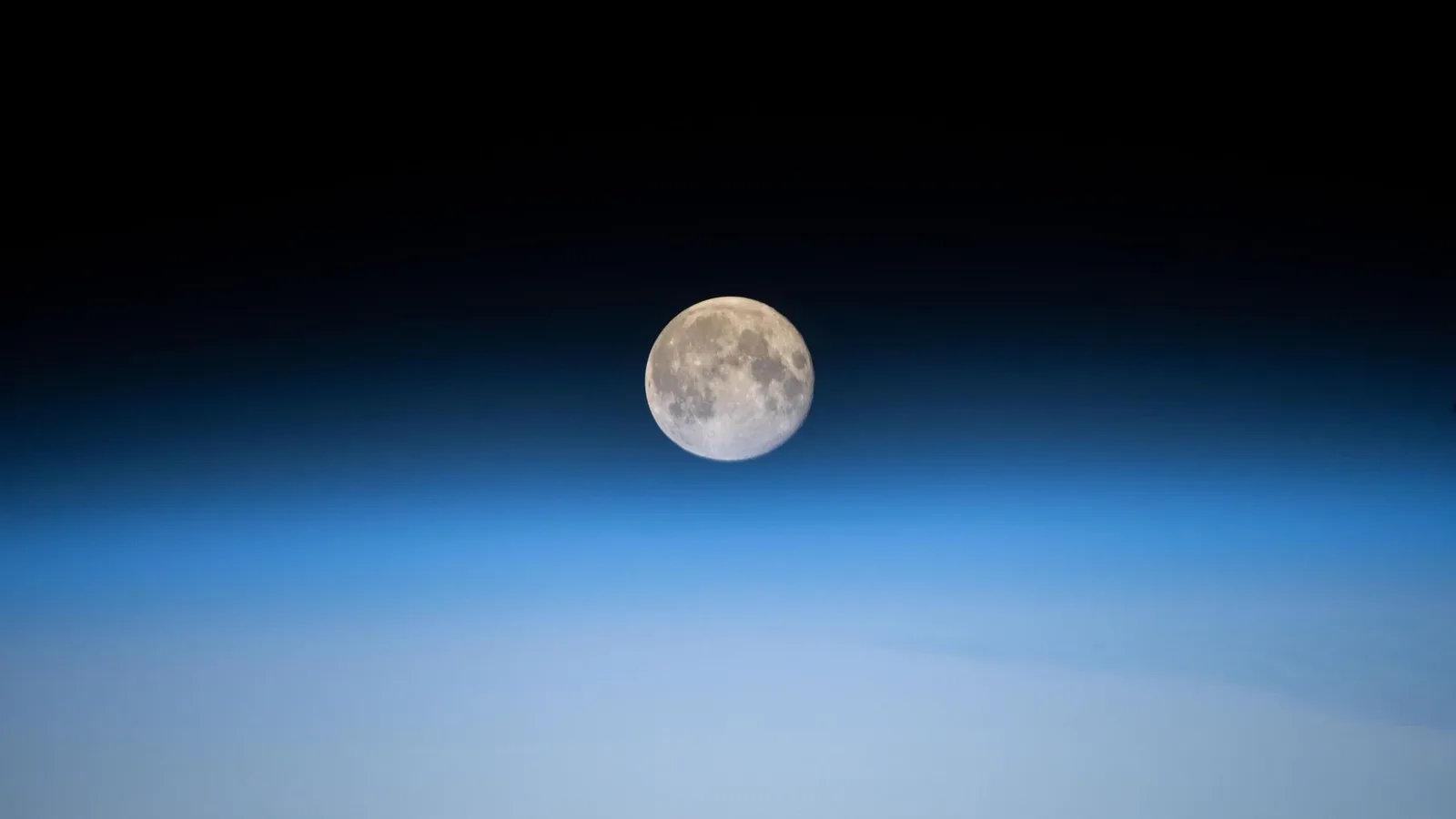
Every full moon has a story, from January’s Wolf Moon to December’s Cold Moon. 2027 adds two supermoons, a Blue Moon and one of the longest total solar eclipses.
Here’s every full moon date for 2027, what each one is called, and where to watch the night sky live.
When Is the Next Full Moon?
Full moons come around about every 29.5 days. Here’s the Moon’s current phase and when the next full moon occurs.
2027 Full Moon Dates
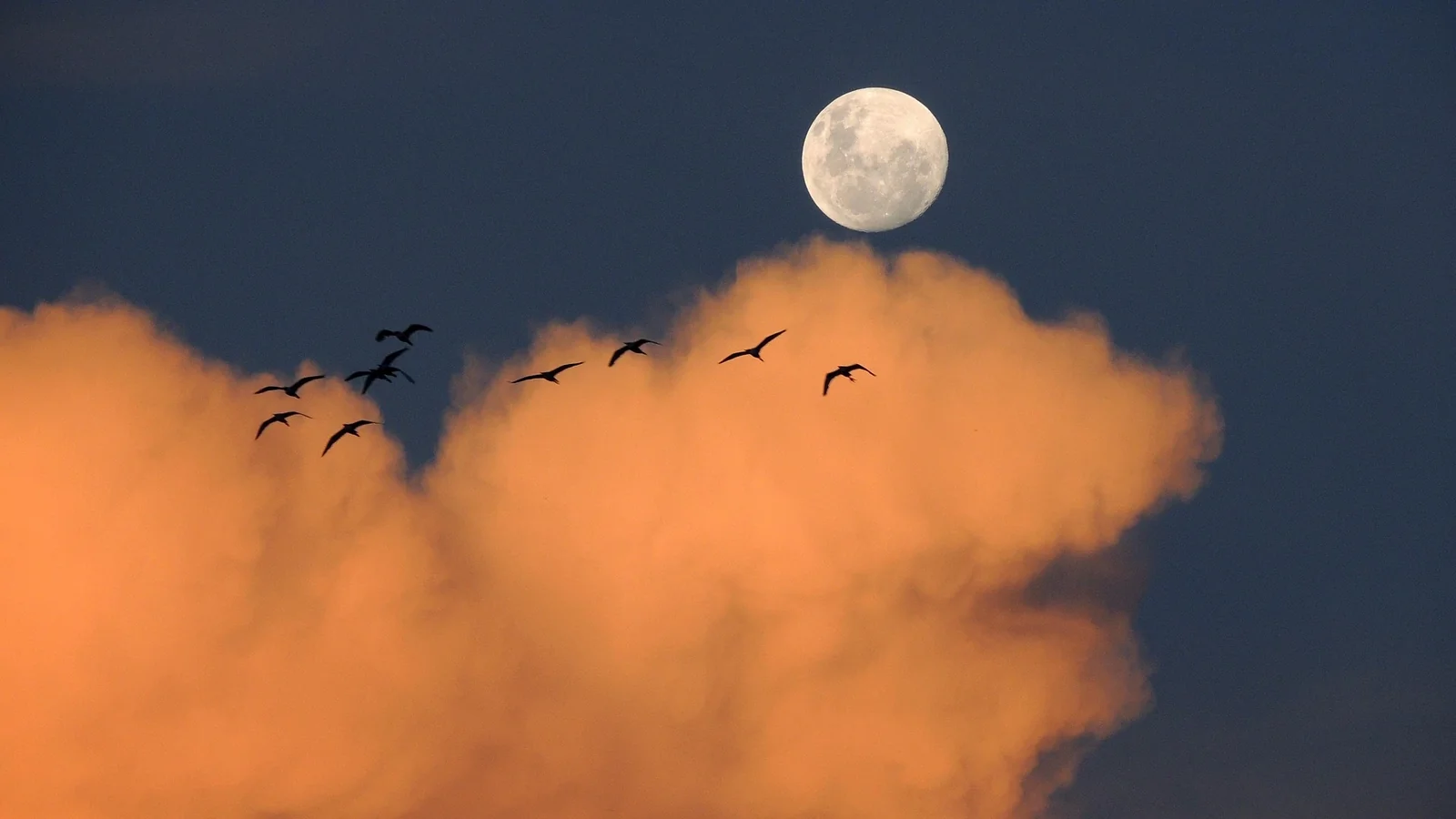
Photo: jrperes / Pixabay
A full moon is technically a single moment, when the Moon sits directly opposite the Sun. To the naked eye, though, it looks full for about a day either side, so the night before or after is just as good for moon-watching.
2027 Supermoons
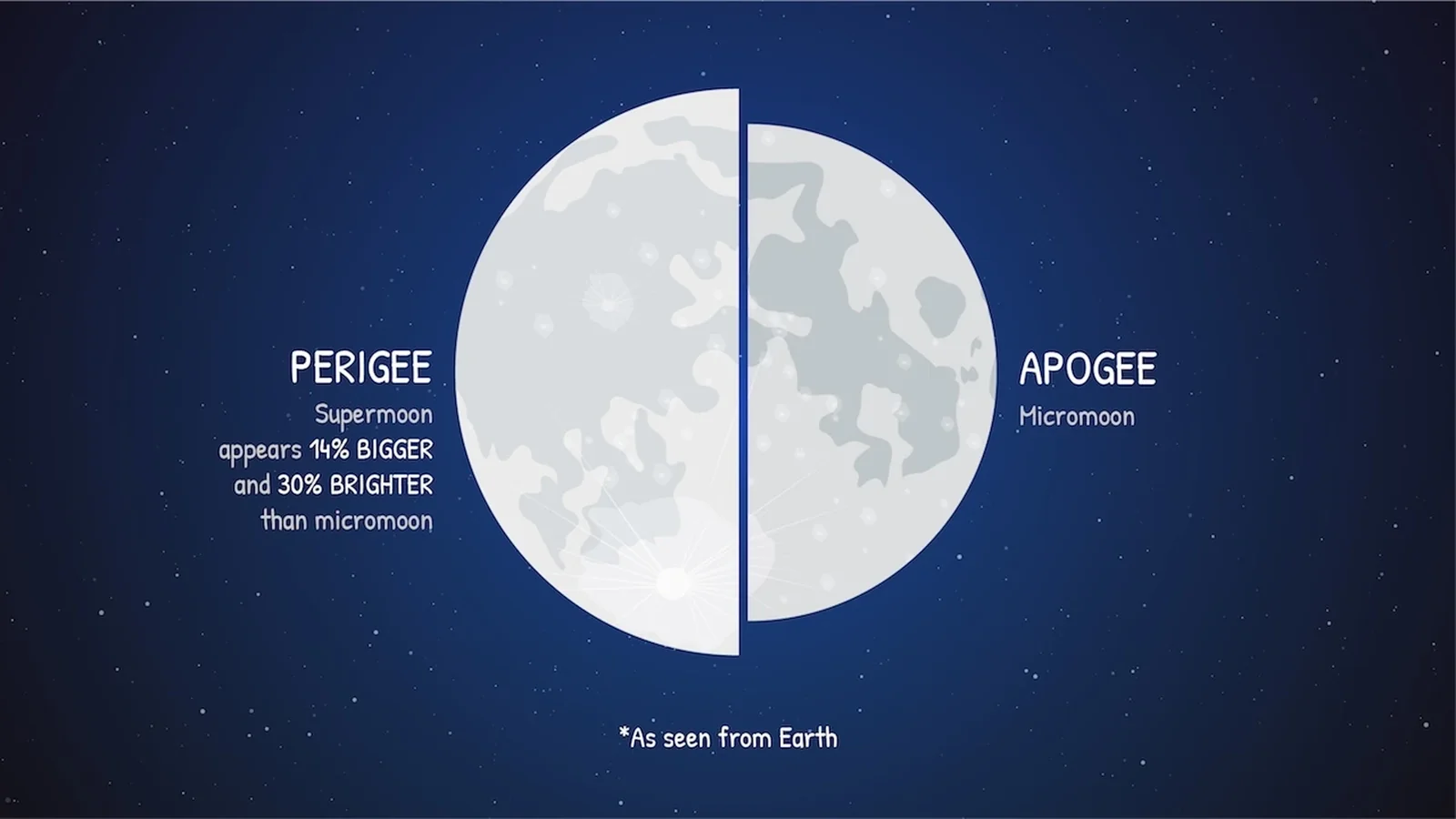
Photo: NASA/JPL-Caltech / Wikimedia Commons, public domain
A supermoon is a full moon that happens when the Moon is near its closest point to Earth. There are two in 2027, in January and February.
The January 22 Wolf Moon is the closer of the two, about 222,230 miles (357,644 km) away. The February 20 Snow Moon is a little farther.
A supermoon can look about 7% bigger and 15% brighter than an average full moon, though most people won’t notice the difference without a side-by-side comparison. Want to know how far away it really is? Calculate your own trip to the Moon.
At the other end of the scale, the July 18 Buck Moon is the year’s smallest full moon, a “micromoon” about 252,260 miles (405,973 km) away.
Is There a Blue Moon in 2027?
Yes, but not the kind most people think of. Most people call the second full moon in a calendar month a Blue Moon. 2027 doesn’t have one of those, and the next one isn’t until December 31, 2028.
2027 does have a different kind of Blue Moon on May 20. Under an older rule, when one season has four full moons instead of the usual three, the third one is called a Blue Moon. Spring 2027 in the Northern Hemisphere has four, on March 22, April 20, May 20 and June 18, so May’s Flower Moon gets the name.
2027 Eclipses
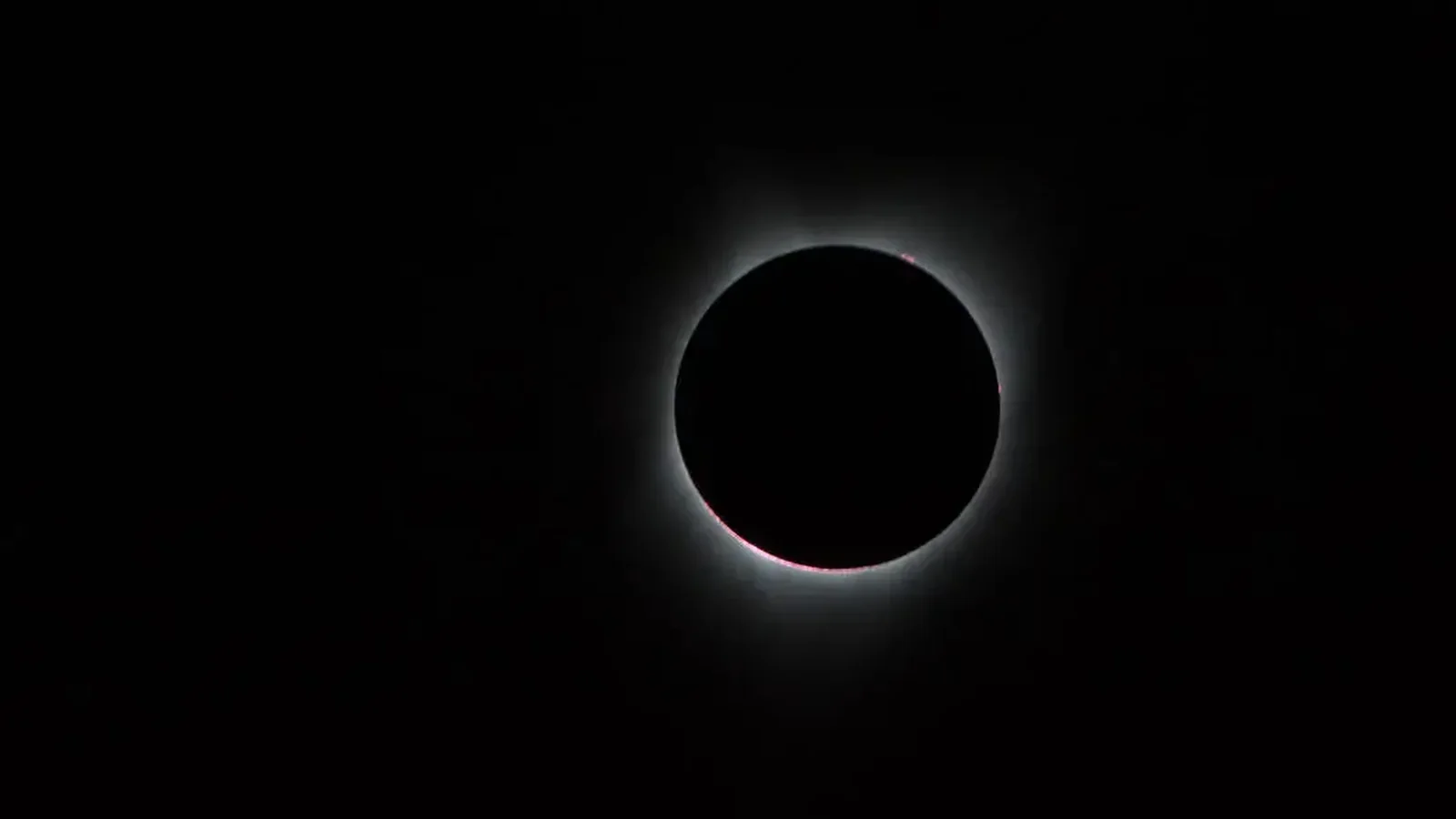
Photo: NASA/Carla Thomas
The big one is the total solar eclipse on August 2, 2027. It will be seen from southern Spain, Gibraltar, North Africa and the Middle East. Near Luxor in Egypt, the Sun will be completely hidden for about 6 minutes and 23 seconds, making it the longest total solar eclipse visible from land between 1991 and 2114. It won’t be visible from the United States.
There’s also an annular “ring of fire” solar eclipse on February 6, visible from parts of South America and West Africa.
The Moon gets three faint lunar eclipses, known as penumbral eclipses, on February 20, July 18 and August 17. The Moon only passes through the outer edge of Earth’s shadow and dims slightly. The July one is so faint you won’t notice it. There’s no total lunar eclipse, or “blood moon,” in 2027.
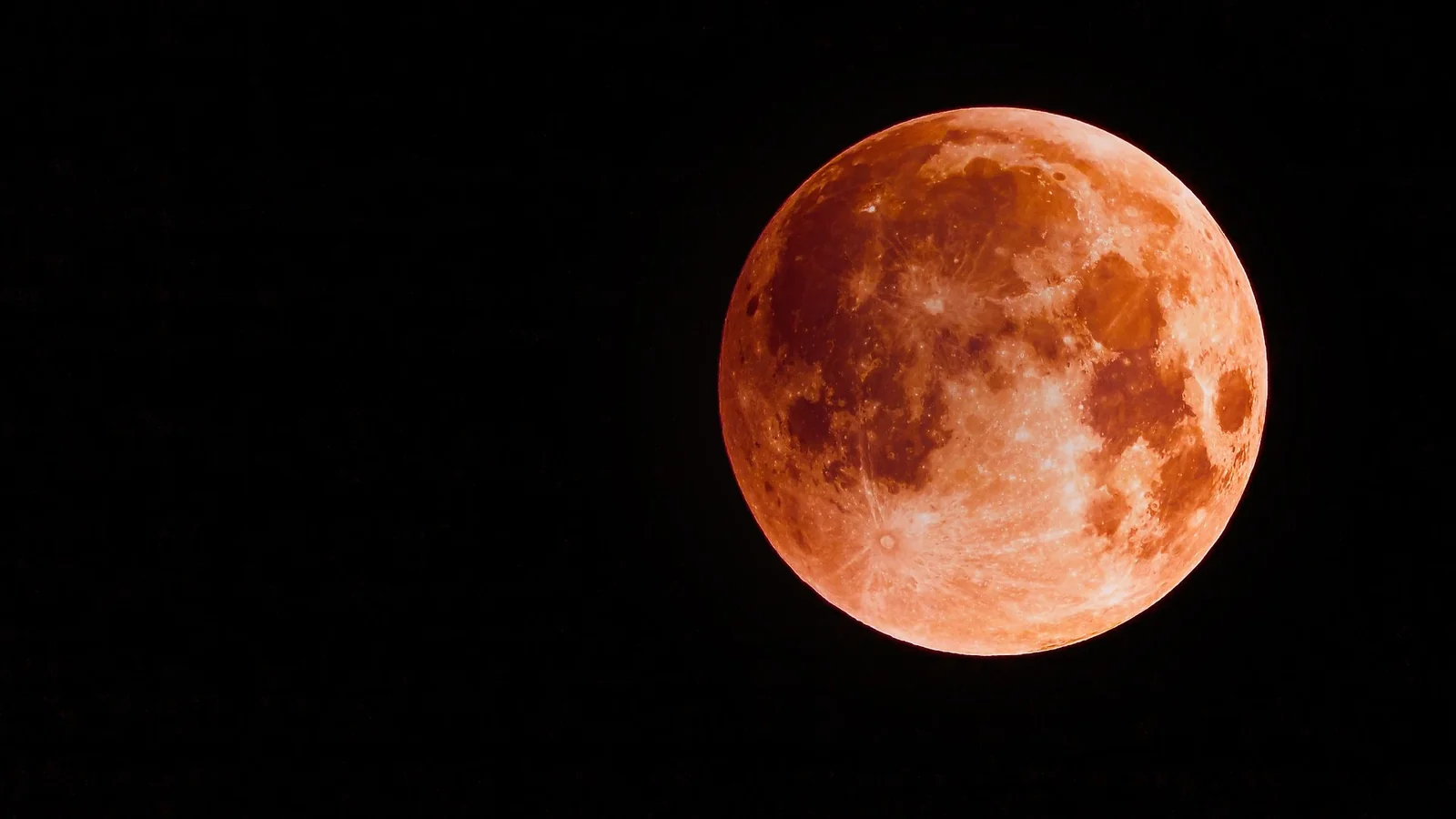
Photo: Myriams-Fotos / Pixabay
Why Do Full Moons Have Names?
The full moon names used in North America come from a mix of Native American, colonial American and European traditions. Most describe what was happening in nature at that time of year.
The Strawberry Moon marked when wild strawberries were ready to pick, the Beaver Moon when beavers retreated into their lodges for winter, and the Sturgeon Moon is named after lake sturgeon, a big fish that was an important source of food.
Some names follow a rule rather than a month. The Harvest Moon is the full moon closest to the autumn equinox, which in 2027 falls on September 23, so September 15’s full moon takes the name.
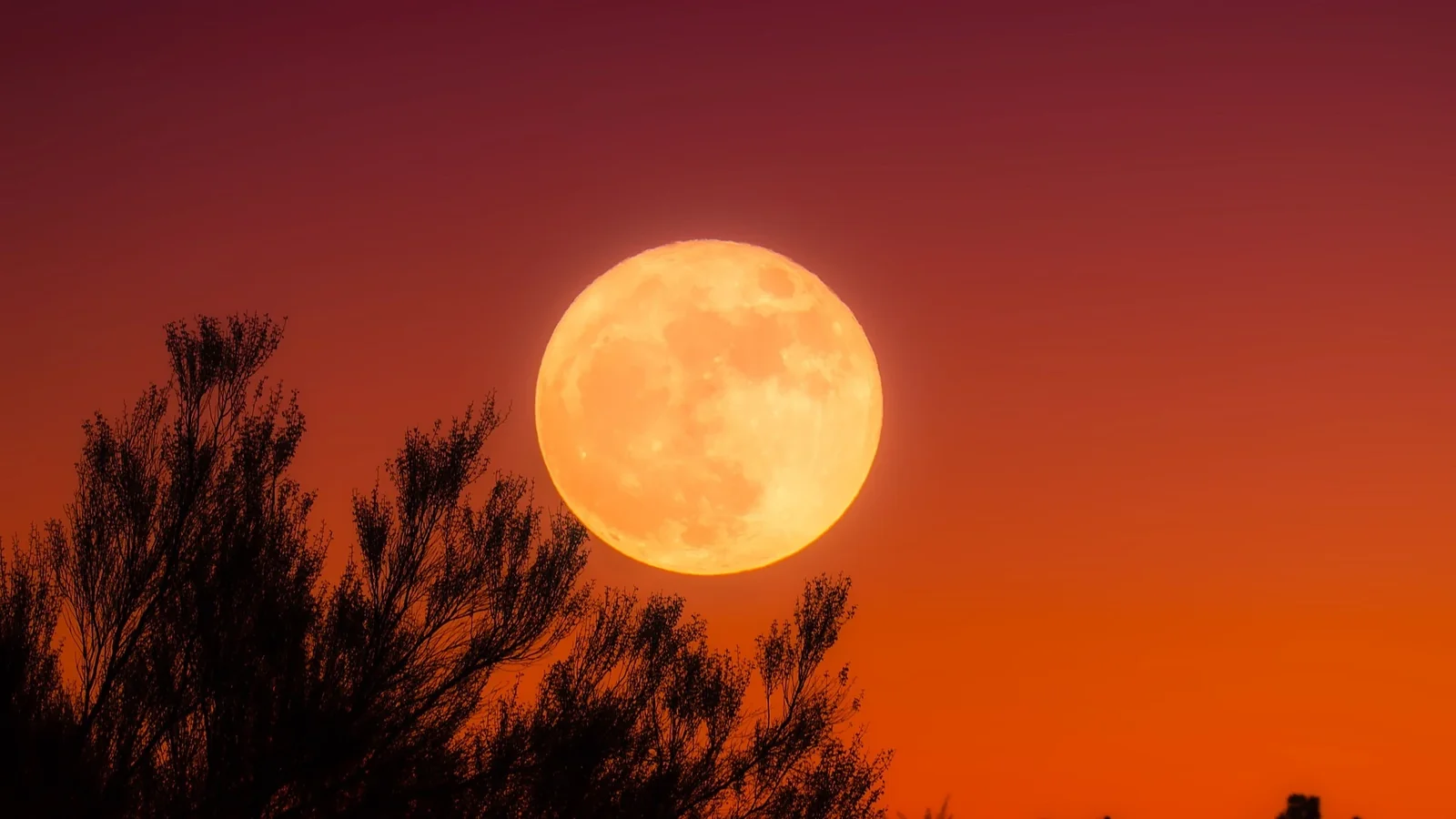
Photo: 12019 / Pixabay
Watch the Night Sky Live
The Moon looks spectacular from high-altitude observatories, where the air is thin and clear. Our cam on Mauna Kea in Hawaii, home to some of the world’s biggest telescopes, is one of the best places to watch the night sky change.
The Nordic Optical Telescope sits high on La Palma in Spain’s Canary Islands, one of the best places in the Northern Hemisphere for astronomy. In Japan, Kozushima is a certified International Dark Sky Park.
LIVEWatch live →LIVEWatch live →On a long winter night, a bright moon often shares the sky with the aurora. Find out where and when to see the northern lights live this winter, or discover 7 rare types of lightning most people never see.
Explore more live night sky cams, aurora cams, space cams and live cams across the United States.
 Take Me Anywhere
Sources 8
- Royal Observatory of Belgium - Moon phases 2027
- NASA Goddard - Eclipses during 2027
- Space.com - Total solar eclipse 2027: Everything you need to know
- EarthSky - When is the next Blue Moon?
- Star Walk - January Full Moon 2027: Wolf Supermoon
- Star Walk - Full Moon in February 2027: Super Snow Moon
- Surf-Life - Supermoon guide 2027
- The Old Farmer’s Almanac - Full Moon Names
Editor's note
Full moon times in the table are US Eastern and may differ by a minute between sources. There’s no single official definition of a supermoon, so some sources count slightly different numbers. The live moon box is calculated in your browser using standard astronomical formulas, not live tracking data, and shows the Moon as seen from the Northern Hemisphere.
How we researched this article
We took full moon dates and times from the Royal Observatory of Belgium and eclipse details from NASA, then checked supermoon, Blue Moon and eclipse information against Star Walk, EarthSky and Space.com. Traditional moon names come from The Old Farmer’s Almanac. Our live moon calculations were checked against the published 2026 and 2027 full moon times.