The sun passed the peak of its 11-year cycle in late 2024. But that doesn’t mean the show is over. Some of the biggest solar storms on record arrived in the years after a peak, and winter 2026 - 2027 could still bring bright displays.
Whether you’re planning a trip north or just want to watch from home, this guide covers when to look, where to go, how to read an aurora forecast, and which of our live aurora cams to keep an eye on.
One tip before you start: times on a live cam are the camera’s local time, so a midnight display in Lapland happens in the early afternoon in Los Angeles.
Is This a Good Winter for the Northern Lights?
The sun’s activity rises and falls on a roughly 11-year cycle. According to the Solar Influences Data Analysis Center in Belgium, which keeps the official sunspot record, the current cycle reached its maximum in October 2024.
After the peak: Sunspots are slowly becoming less common, but strong storms can still happen. The famous Halloween storms of 2003 came about two years after the previous peak. More recently, a severe G4 storm on November 11–12, 2025 brought auroras far south of their usual range.
So there’s no guarantee of a record season. But a big display this winter is still possible.
When to Look
Months: In the far north, aurora season runs roughly from September to March, when nights are dark. In summer, the sky there barely gets dark at all. Displays around the spring and fall equinoxes, in March and September, are often especially active.
Time of night: NOAA says the best aurora is usually within an hour or two of midnight, between about 10 PM and 2 AM local time. During strong activity, it can appear earlier in the evening and last into the morning.
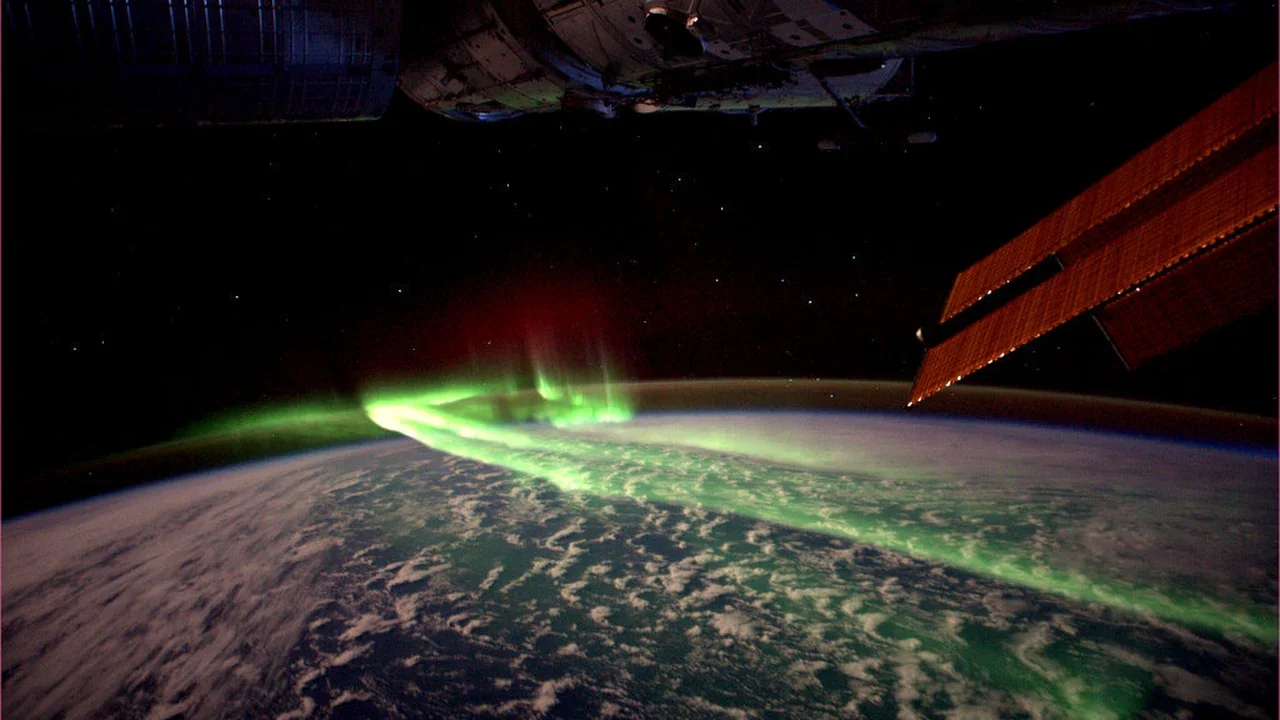
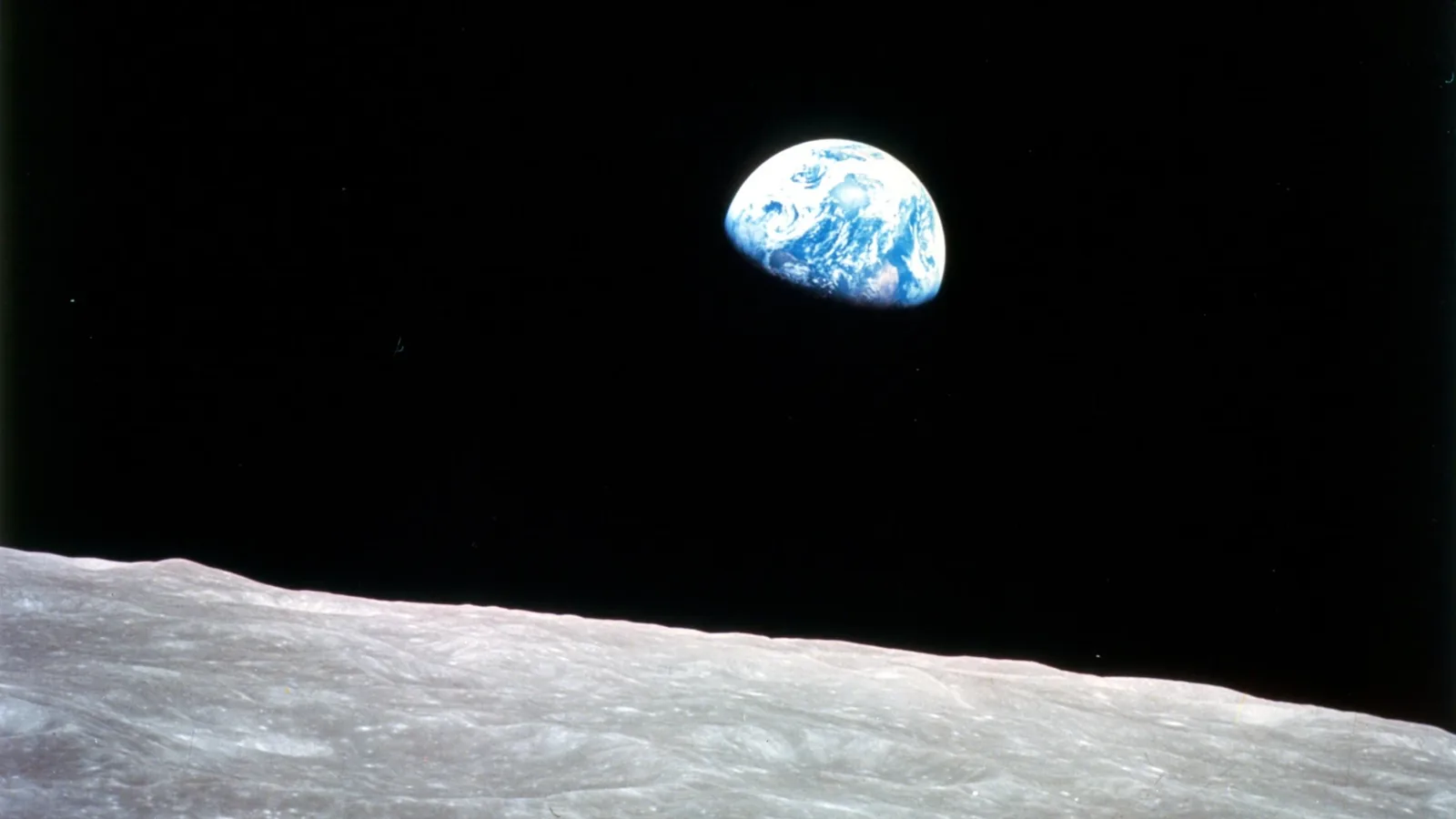
Photo: ESA/NASA / Wikimedia Commons (CC BY-SA 3.0 IGO)
Clear skies: This matters as much as anything. The aurora happens about 60 miles (100 km) up or higher, far above the clouds, so even a strong display is invisible under thick cloud. Always check a local cloud forecast.
Darkness: Get away from city lights. A bright moon makes faint aurora harder to see, but don’t skip a promising night just because the moon is up. A strong display can still shine through.
The Best Places to See Them
The northern lights are strongest in a ring around the magnetic north pole, known as the auroral oval. The places below sit under or near it.
Finnish Lapland: Rovaniemi, Levi, Posio and Kilpisjärvi are popular, with long, dark winter nights and plenty of aurora-watching tours.
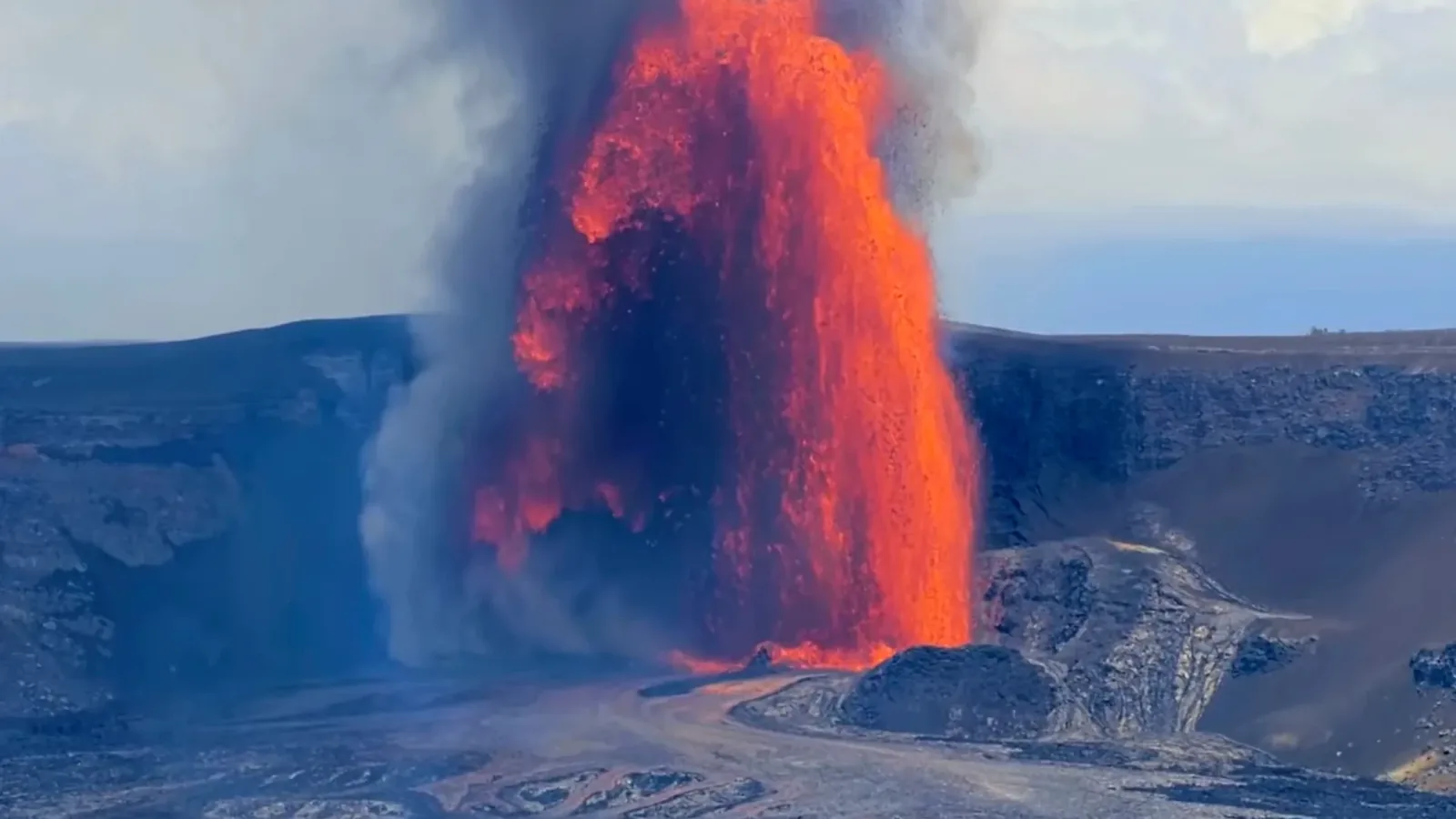
Iceland: Easy to reach from Europe and North America, though its weather changes fast and cloud is common. Our Grindavík cam can show aurora over an active volcano.
Greenland: Towns like Ilulissat and Kangerlussuaq sit well inside the aurora zone. Kangerlussuaq is known for its dry, often clear winter weather.
Alaska: Fairbanks lies under the auroral oval and is one of the most popular aurora destinations in the United States.
Northern Canada: Churchill, Manitoba, sits under the auroral oval. Travel Manitoba says the lights can be seen there up to 300 nights a year, though clouds and weather mean no single visit is guaranteed.
How to Read an Aurora Forecast
The Kp index: Kp measures how disturbed Earth’s magnetic field is, on a scale from 0 to 9. The higher the number, the farther the aurora can spread from the poles. It’s a useful guide, not a guarantee.
NOAA’s 30-minute forecast: Despite its name, this map shows where the aurora is likely in roughly the next 30 to 90 minutes, as a glowing ring over the globe.
Tonight and tomorrow night: NOAA also publishes maps predicting aurora location and intensity over North America tonight and tomorrow night.
None of these tell you about clouds, so always pair them with a local weather forecast.
Can You See Them From the UK or the US?
Alaska: Often, especially in the interior around Fairbanks.
The rest of the US: Northern states can see the aurora when geomagnetic activity increases, with chances varying considerably by location and solar activity. Farther south, it takes a rare, powerful storm.
The UK: Northern Scotland gets the best chances. Southern England usually needs a much stronger storm.
A rare exception: In May 2024, the strongest geomagnetic storm since 2003 pushed auroras as far south as Florida and northern India.
LIVEWatch live →Why Your Phone Sees More Than You Do
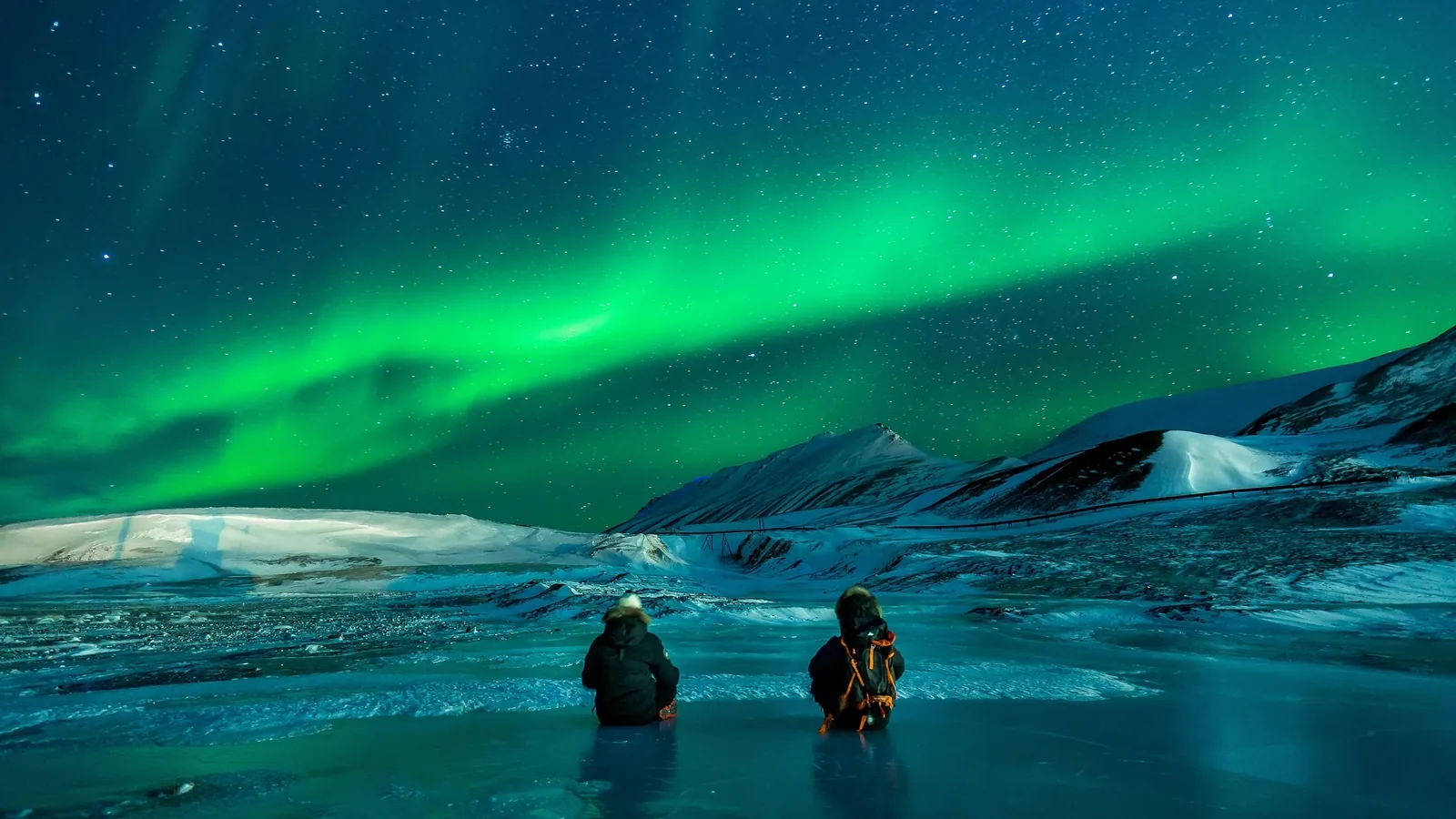
In very dim light, your eyes rely mostly on rod cells, which are very sensitive to light but do not provide color vision. Faint aurora can look gray or pale green to the eye.
A phone camera can collect light for several seconds at a time, then process the image to bring out color. That’s why photos often look more vivid than what you remember.
During a bright display, you can still see strong greens, and sometimes reds and pinks, with your own eyes.
Taking a photo: Use night mode, and hold your phone steady or prop it against something. Turn off the flash, since it can’t light up a sky that far away.
Watch the Northern Lights Live
You don’t have to fly north to see them. Our aurora cams in Finland, Iceland, Greenland, Alaska and Canada stream through the night.
Check the aurora clock at the top of this page, look at the forecast, and you might catch a display as it happens.
For more of what happens above our heads, explore the night sky live, discover 7 rare types of lightning most people never see, or browse every camera on the Live Webcam Map.
 Take Me Anywhere
Sources 10
- SIDC / SILSO - Solar Cycle 25 reached its maximum in October 2024
- NOAA Space Weather Prediction Center - Tips on viewing the aurora
- NOAA SWPC - Aurora 30-minute forecast
- NOAA SWPC - Aurora for Tonight and Tomorrow Night (Experimental)
- NOAA SWPC - Planetary K-index
- NOAA SWPC (2025) - G4 (severe) storm levels reached
- NASA (2024) - How NASA tracked the most intense solar storm in decades
- The Conversation (2024) - Phone cameras can take in more light than the human eye
- Travel Manitoba - Northern lights in Churchill
- Visit Greenland - Kangerlussuaq
Editor's note
Aurora forecasts are probabilities, not guarantees: clouds, daylight and moonlight all affect what you can see. The 10 PM to 2 AM window is NOAA's general guidance, and displays can appear outside it. Tourism figures, such as Churchill's "up to 300 nights a year", describe how often the aurora occurs there, not the chance of seeing it on a single visit. The space photo shows the southern lights.
How we researched this article
We used NOAA's Space Weather Prediction Center for viewing tips, forecasts and storm reports, the Solar Influences Data Analysis Center for the solar cycle, NASA's account of the May 2024 storm, and tourism boards in Canada and Greenland for local conditions.