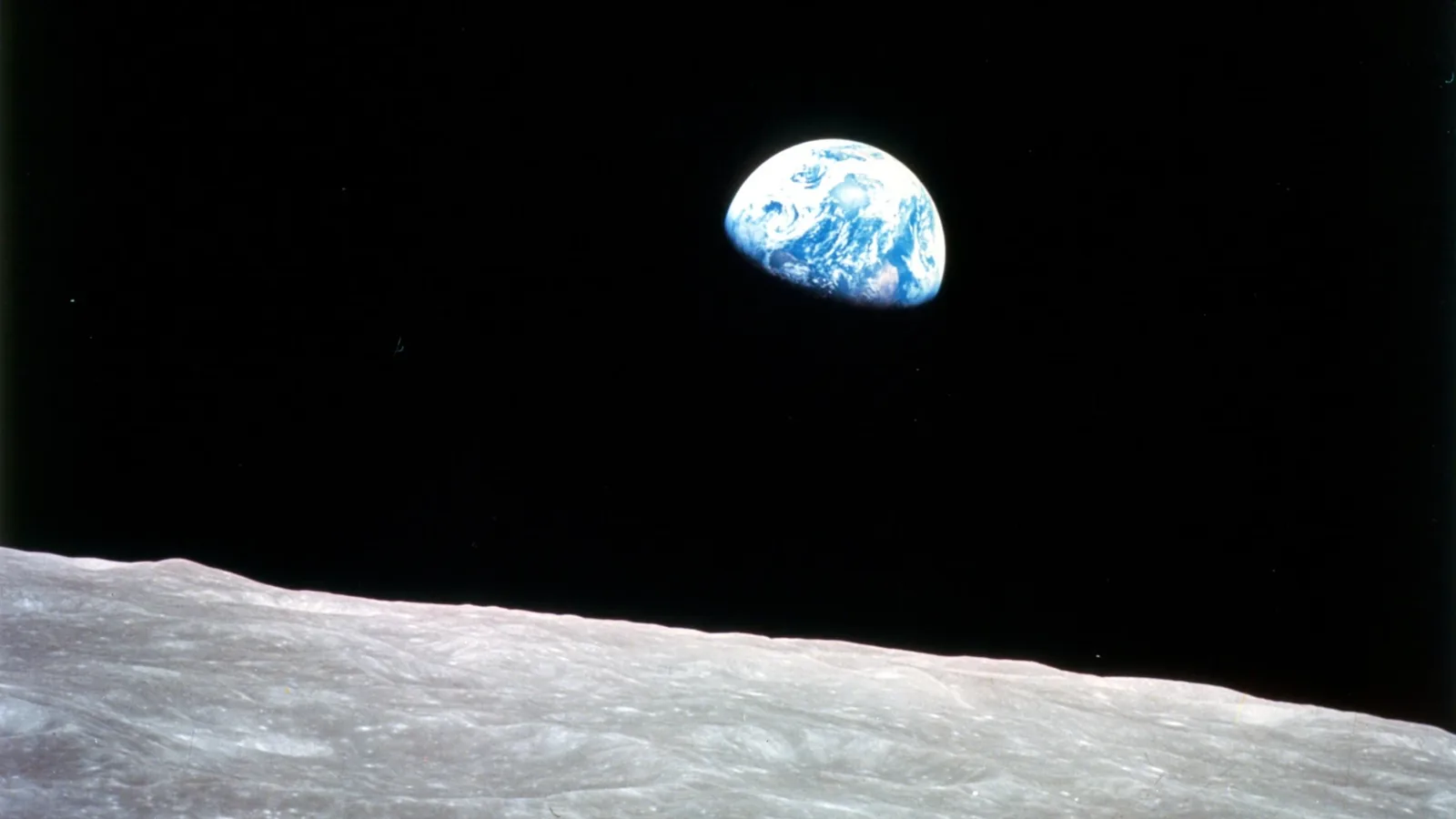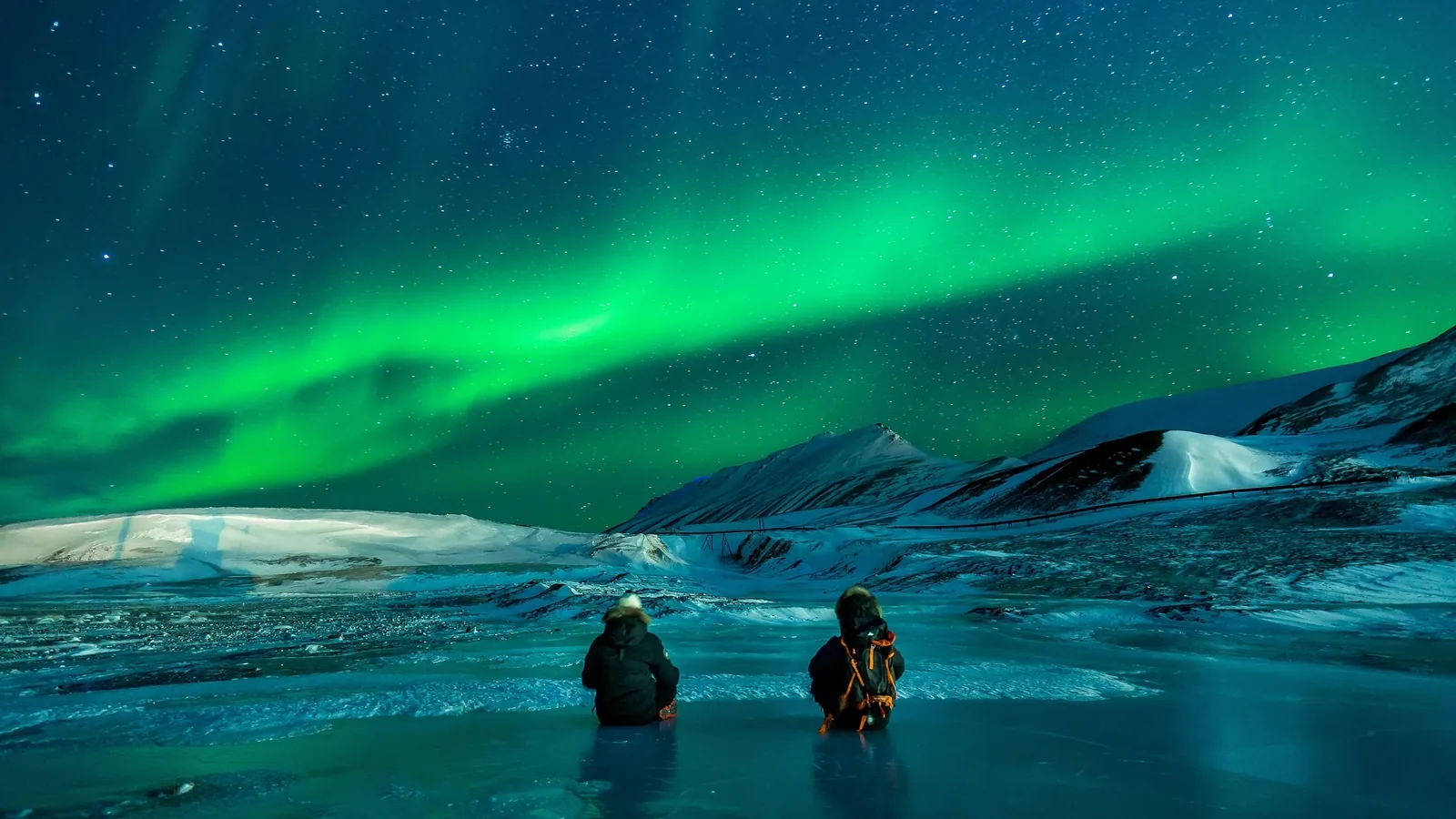
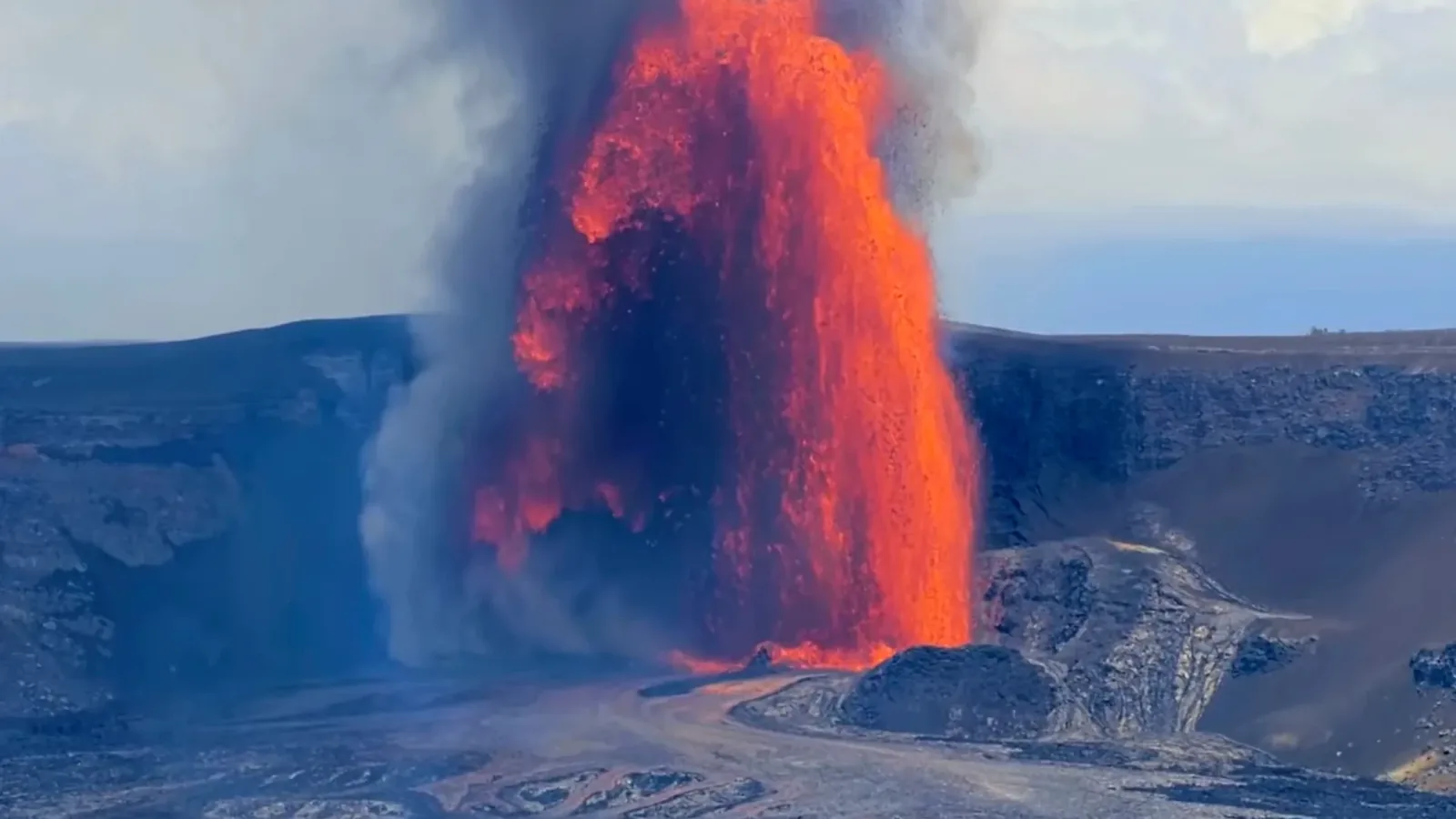
Right now, you’re standing on a thin shell of cooled rock, spinning at up to 1,000 mph while racing around the sun at about 67,000 mph. Beneath your feet, Earth’s core is roughly as hot as the surface of the sun. And we’re all worried about what’s for dinner.
Every so often, that heat finds a way out. So let’s forget dinner for a moment and take 10 live looks at Earth letting off steam, from Kīlauea’s lava fountains to Fuego’s nighttime blasts.
We picked these 10 from what monitoring agencies reported in late October 2026. Some fire off ash several times an hour, while others can sit quiet for days before suddenly waking up.
There are plenty more volcanoes to watch in our live volcano cams collection.
#10 Popocatépetl, Mexico
Quiet puffs: Mexico’s most famous volcano had low activity in mid-October, with Mexico’s disaster agency CENAPRED recording 19 to 42 small emissions of gas and steam a day from October 7 - 14. More than 25 million people live within about 60 miles (100 km) of it.
The cam shows a snow-capped cone, often with a steam plume drifting from the crater. Big explosions are rare right now, so this is one to leave running in the background.
LIVEWatch live →#9 Kanlaon, Philippines
Sudden blasts: Kanlaon, the highest peak on Negros Island, has been restless since June 2024. On October 10, 2026, it produced a moderately explosive eruption that sent ash 3.1 - 3.7 miles (5 - 6 km) above the summit, and it remains at Alert Level 2.
Expect long quiet stretches broken by sudden ash columns. Eruptions come with little warning, which is exactly why this cam is worth a look.
LIVEWatch live →LIVEWatch live →#8 Etna, Italy
Europe’s busiest: Etna is Europe’s most active volcano. In late October, Italy’s INGV reported gas emissions and periodic small ash puffs from the Northeast Crater, with the alert at Yellow.
Etna is famous for sudden “paroxysms”, short bursts of lava fountaining that can light up the summit at night. Most days you’ll see steam and the odd ash puff, but it can change within hours.
LIVEWatch live →LIVEWatch live →#7 Santiaguito, Guatemala
A volcano inside a volcano: Santiaguito is a cluster of lava domes growing in the crater left by Santa María’s huge 1902 eruption. It has been erupting since 1922, and in mid-October Guatemala’s INSIVUMEH reported daily glowing rock avalanches.
Expect small ash puffs by day, and at night you may spot glowing rock tumbling down the dome.
LIVEWatch live →#6 Merapi, Indonesia
Fire mountain: Merapi sits north of Yogyakarta and is one of Indonesia’s most dangerous volcanoes. Its 2010 eruption killed more than 300 people. In late October, Indonesia’s volcano agency PVMBG reported lava avalanches from its dome traveling up to about 1 mile (1.5 km), with the alert at Level 3 of 4.
The cam shows a steep cone with a steaming dome. Lava avalanches show up best at night as thin glowing streaks.
LIVEWatch live →#5 Semeru, Indonesia
Java’s highest peak: Semeru rises 12,060 feet (3,676 m) and erupts most days. From October 22 - 24, PVMBG reported ash plumes rising up to 3,900 feet (1,200 m) above the summit, and the alert remains at Level 3 of 4.
Expect regular ash puffs from the summit, often above a sea of clouds at sunrise. Its December 2021 eruption killed more than 50 people, a reminder of why the exclusion zones matter.
LIVEWatch live →#4 Mayon, Philippines
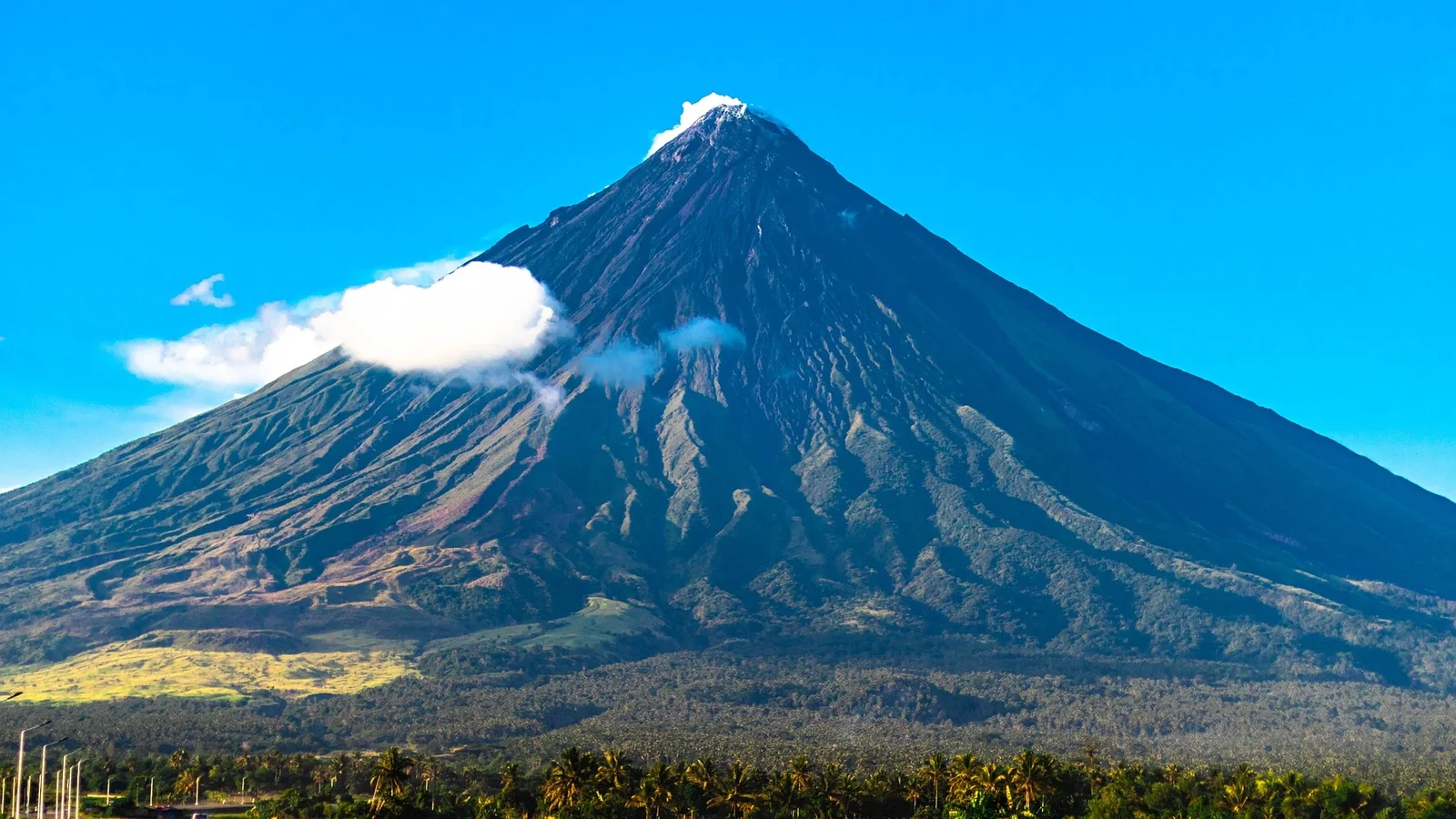
Photo: matthewebriega2018 / Pixabay (Pixabay License)
The newest alert: Mayon is often called the world’s most perfect volcanic cone. On October 30, 2026, PHIVOLCS raised its alert from Level 2 to 3 after a moderately explosive eruption at 11:53 AM sent a plume about 1.9 miles (3 km) above the crater. PHIVOLCS advised evacuating the 3.7-mile (6 km) Permanent Danger Zone around the summit.
The cam shows that classic cone, often with a steam plume drifting off the top. If lava starts flowing again, as it did earlier in 2026, it shows up as glowing lines down the slopes at night.
Did you know? Mayon’s deadliest eruption, on February 1, 1814, killed about 1,200 people and buried the town of Cagsawa.
LIVEWatch live →#3 Sakurajima, Japan
A volcano next to a city: Sakurajima sits about 2.5 miles (4 km) across the bay from Kagoshima, a city of around 580,000 people. It has erupted almost constantly since 1955, and from October 19 - 26 the Japan Meteorological Agency recorded 25 eruptive events, including eight explosions.
Expect ash plumes rising over the bay, sometimes with the city in the foreground. Sakurajima was an island until lava from its 1914 eruption filled the strait and joined it to the mainland.
LIVEWatch live →LIVEWatch live →LIVEWatch live →#2 Fuego, Guatemala
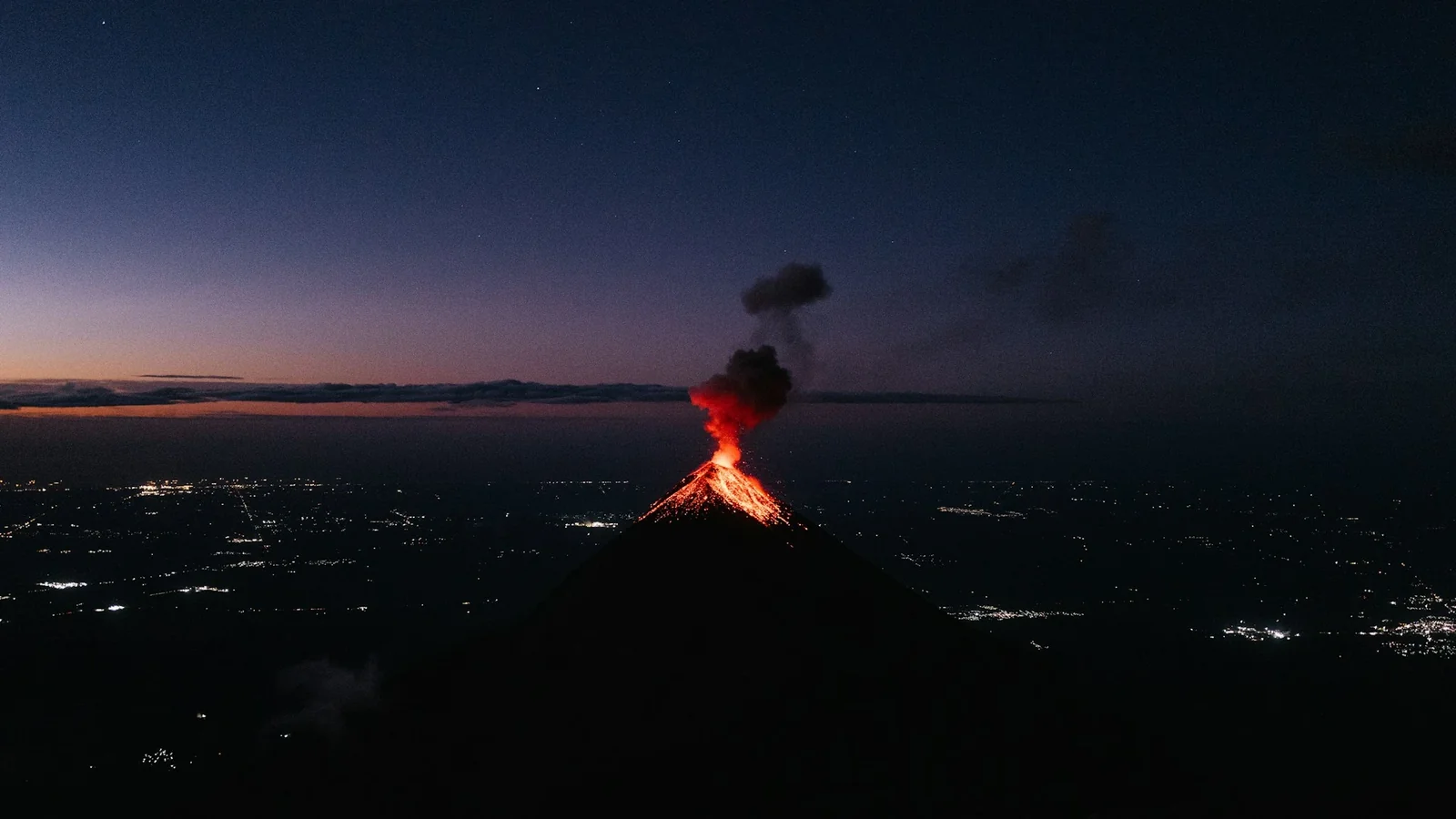
Photo: Timothy Cohen / Unsplash (Unsplash License)
Frequent explosions: Fuego, meaning “fire” in Spanish, has been in an eruptive phase since 1999. Guatemala’s INSIVUMEH reported 4 to 8 moderate explosions an hour on October 21, and 2 to 4 weak-to-moderate explosions an hour on October 27.
Expect ash puffs by day, and at night you may see glowing rock bouncing down the upper slopes after explosions. Fuego’s June 2018 eruption killed at least 215 people.
#1 Kīlauea, Hawaii
The best show, when it’s on: Kīlauea’s summit eruption began on December 23, 2024, and has come in short bursts of lava fountaining ever since. Episode 55, on October 17, sent a fountain to about 720 feet (220 m) and lasted around six hours.
Watch this week: On November 2, the USGS raised Kīlauea’s alert to Watch as lava began overflowing from the vents, a sign that episode 56 is building. It expects the next fountain to start by November 7, so this is the cam to keep open.
LIVEWatch live →LIVEWatch live →Iceland’s Next Eruption
Iceland’s Sundhnúkur crater row has erupted repeatedly since December 2023, most recently starting July 16, 2025. Magma has been building beneath Svartsengi ever since, and on October 27 the Icelandic Met Office said a magma intrusion that could lead to an eruption remains the most likely scenario, although the timing can’t be predicted.
On clear winter nights, the same cam often catches the northern lights too, so it’s worth checking either way.
LIVEWatch live →Sleeping Giants
Vesuvius: The volcano that buried Pompeii in AD 79 last erupted in 1944, and Italy still plans for the next one.
Mount Fuji: Japan’s highest peak last erupted in 1707. It’s quiet for now, but our Fuji cams are some of the most beautiful on the site.
For a volcano on a completely different scale, find out what would happen if the Yellowstone supervolcano erupted.
LIVEWatch live →LIVEWatch live →LIVEWatch live → Take Me Anywhere
Sources 22
- USGS - Kīlauea volcano update, November 2, 2026 (Alert Level raised to Watch)
- USGS - Photo and video chronology, Kīlauea summit episode 55
- PHIVOLCS - Mayon Volcano bulletin, October 30, 2026
- Smithsonian GVP / USGS Weekly Volcanic Activity Report, October 22 - 28, 2026 (via Watchers)
- Smithsonian GVP / USGS - Kanlaon activity report, October 8 - 14, 2026
- CONRED (2026) - Volcán de Fuego registra entre 4 y 8 explosiones por hora
- La Hora (2026) - Volcán de Fuego lanzando ceniza, October 27
- The Star (2026) - Mt Kanlaon erupts, sending ash plume above summit
- Icelandic Met Office - Ground uplift and magma accumulation continue beneath Svartsengi
- Smithsonian GVP - Santa María (Santiaguito)
- Smithsonian GVP - Etna
- Smithsonian GVP - Aira (Sakurajima)
- Wikipedia - Sakurajima
- Kagoshima City (2026) - Estimated population, October 2026
- CONRED (2023) - Revisión de medio término, Volcán de Fuego 2018
- BNPB (2021) - Korban meninggal paska erupsi Semeru bertambah menjadi 51 jiwa
- Wikipedia - 2021 Semeru eruption
- Wikipedia - Mount Merapi
- Manila Bulletin (2021) - 207th year since the most deadly eruption of Mayon
- Al Jazeera (2012) - Rumbling Mexican volcano threatens millions
- Italian Civil Protection - Vesuvius
- Smithsonian Magazine - It’s been more than 300 years since Mount Fuji last erupted
Editor's note
Volcanic activity changes quickly. Activity levels, alert levels and forecasts in this article reflect agency reports up to November 3, 2026, and may have changed since. Our countdown is an editorial selection, not a ranking of how likely you are to see an eruption on camera. Death tolls for past eruptions vary between sources; where they differ, we've used official figures or rounded down.
How we researched this article
We used reports and bulletins from monitoring agencies, including the USGS Hawaiian Volcano Observatory, PHIVOLCS, Indonesia's PVMBG, Guatemala's INSIVUMEH (via CONRED), Italy's INGV, the Japan Meteorological Agency, Mexico's CENAPRED and the Icelandic Met Office, compiled in the Smithsonian Global Volcanism Program's weekly reports. Historical details come from the Smithsonian GVP, national disaster agencies and news reports.