Earth is spinning at up to 1,000 mph and racing around the sun at about 67,000 mph, and you can’t feel either. So what would happen if something stopped it, switched off its gravity or tried to squash it flat?
We’ve taken the most-asked “what if” questions about our planet and answered each one simply, with the science behind it. These are all hypothetical answers backed by science, as thankfully none of them have happened in real life... yet!
What Would Happen If Earth Stopped Spinning?
The rules: In this thought experiment, the solid ground stops, but the atmosphere, oceans and everything sitting on the surface keep moving. Earth spins fastest at the equator, at about 1,000 mph (1,600 km/h), and slows to almost nothing at the poles.
A sudden stop: Holding on or hiding indoors wouldn’t help, because buildings would be hit too. Physicist Andrew Layden told Space.com the force would likely trigger earthquakes and tsunamis, and places near the poles would be least affected.
A slow stop: If Earth stopped spinning relative to distant stars but kept orbiting the sun, a full day-night cycle would last a year, with roughly six months of daylight and six months of darkness in most places. An Esri mapping model shows oceans moving toward the poles, exposing a giant continent around the equator. That’s a simplified picture: the real outcome would also depend on how the solid Earth changed shape as its spin slowed.
Why we don’t feel it now: We move along with Earth at a steady speed, the same way you don’t feel a smooth flight at 500 mph.
What Would Happen If Earth Stopped Orbiting the Sun?
Falling and missing: Earth is already falling toward the sun. It’s also moving sideways at about 67,000 mph (107,000 km/h), so it keeps missing. That’s all an orbit is. Take away the sideways speed, and there’s nothing left to make it miss.
The rules: Here, Earth and everything on it lose their orbital speed together, so nobody gets thrown off. After about 41 days, Earth would reach the distance of Venus’s orbit, and around day 57, the distance of Mercury’s.
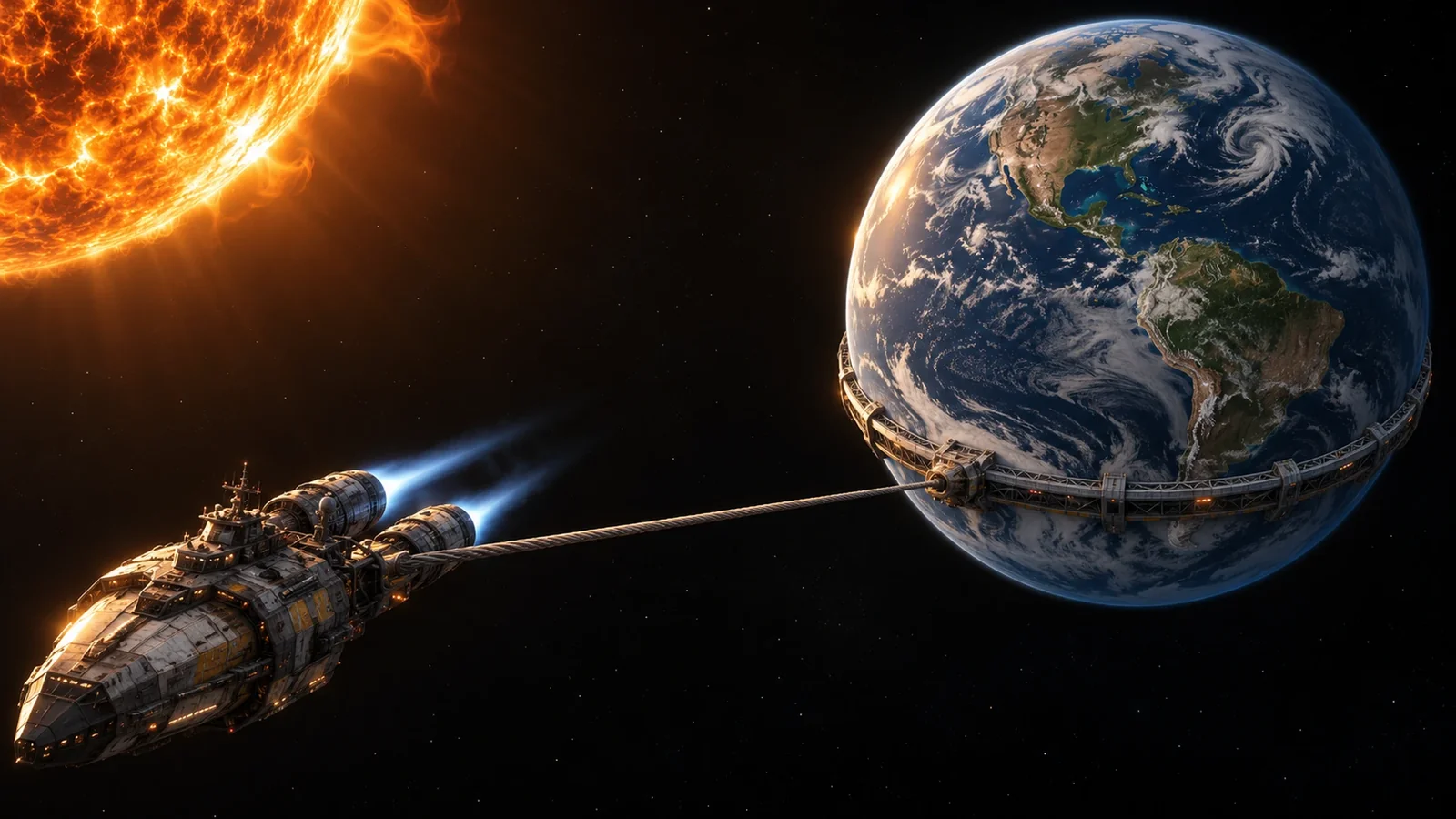
Photo: EarthLive.TV (illustration)
Getting hotter: One simplified calculation puts the average temperature above water’s boiling point around day 47. In the final days, the sun’s pull would tear the planet apart.
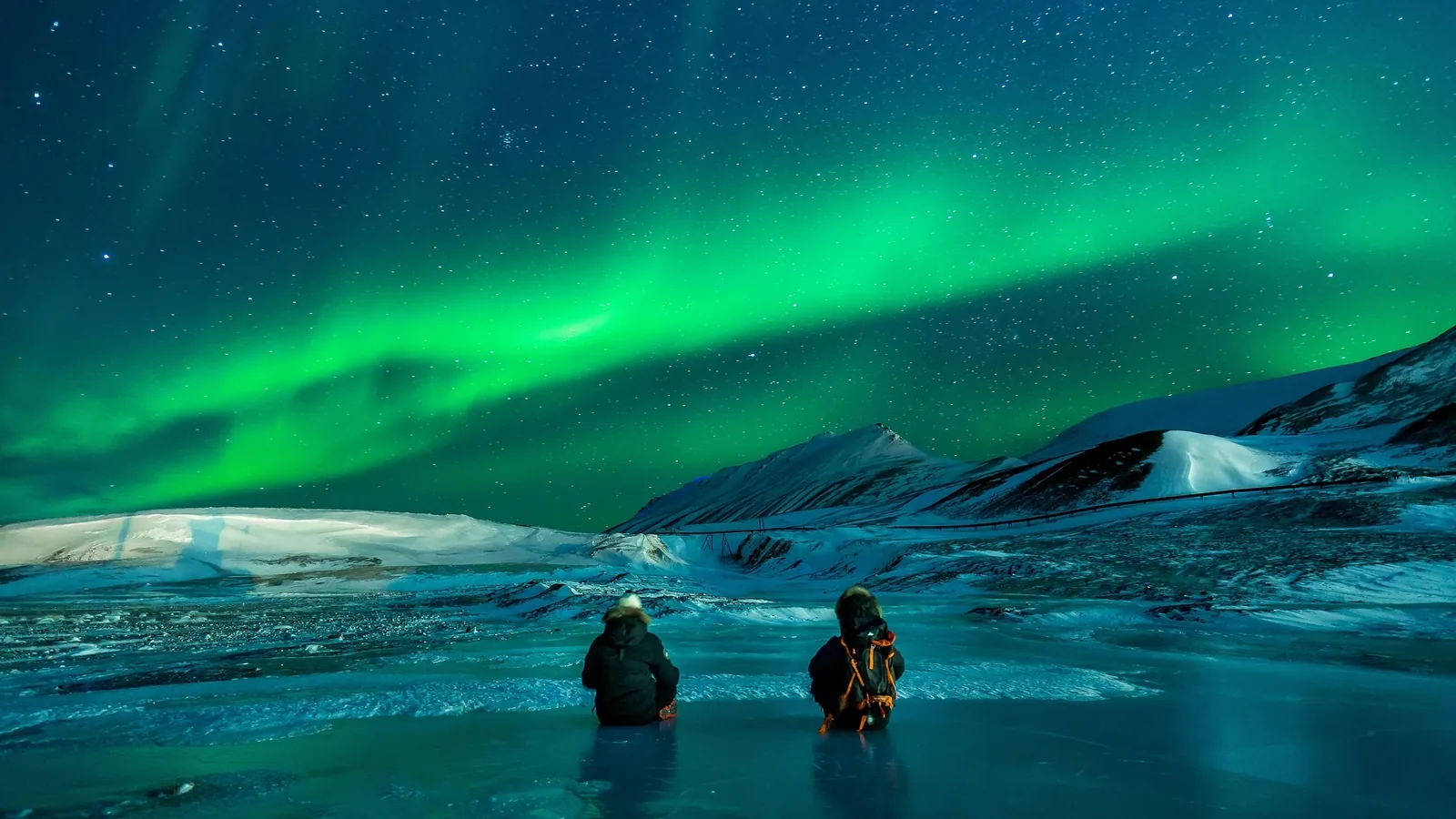
Even from its normal distance, the sun is powerful enough to light up our skies with the northern lights.
LIVEWatch live →LIVEWatch live →What Would Happen If Earth Lost Its Gravity?
Which way is down? “Down” just means toward the center of Earth, because that’s where its gravity pulls. Switch Earth’s gravity off and you’d no longer be pulled toward its center. You’d still be falling around the sun, but you’d keep moving in the direction Earth was spinning you, while the ground curved away beneath your feet.
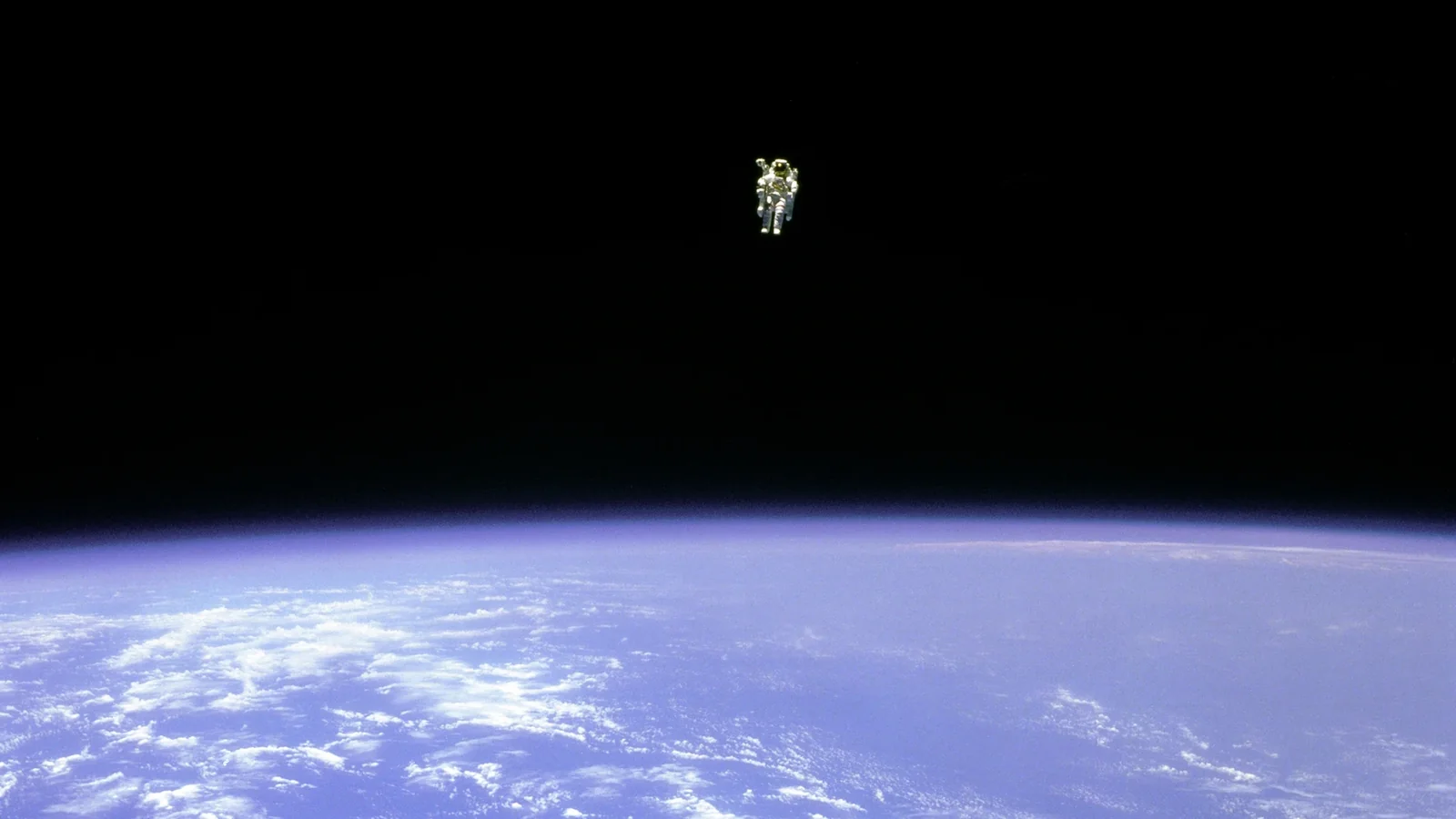
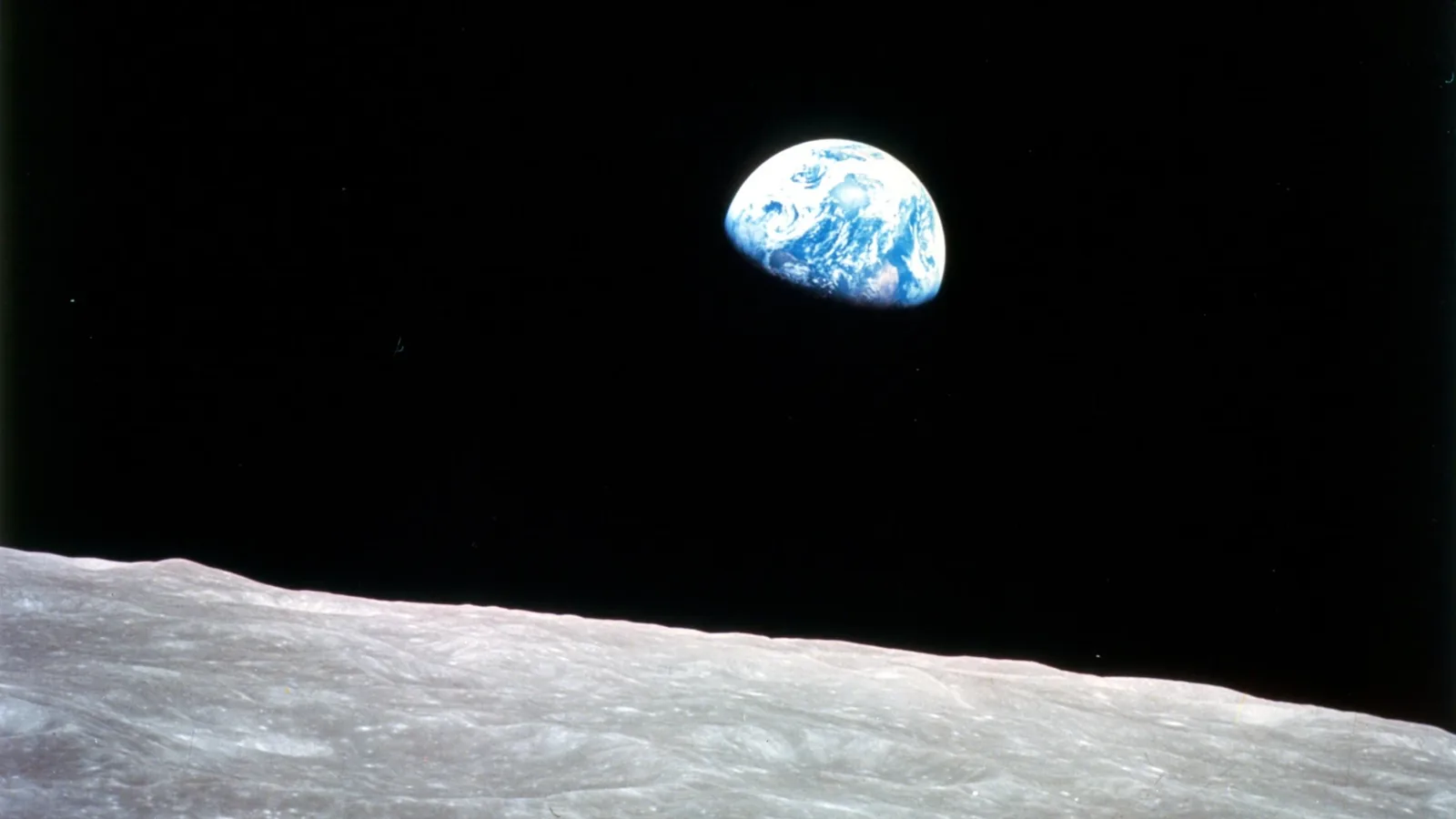
Photo: NASA / Wikimedia Commons (public domain)
What goes first: Planetary scientist Philip Metzger told FOX Weather the air would thin almost immediately, and the oceans would lift off and scatter within about a day. The crust would break apart too, with plates lifting off as the planet rotated.
Floating isn’t the same: Astronauts on the International Space Station float because they’re constantly falling around Earth, not because gravity has gone. The ISS is only about 250 miles up, a tiny hop compared with how far away the moon is.
LIVEWatch live →Could You Sink or Squash Earth?
Why it can’t sink: Gravity gives things a direction to fall, and Earth is falling toward the sun all the time. Its sideways speed just means it keeps missing.
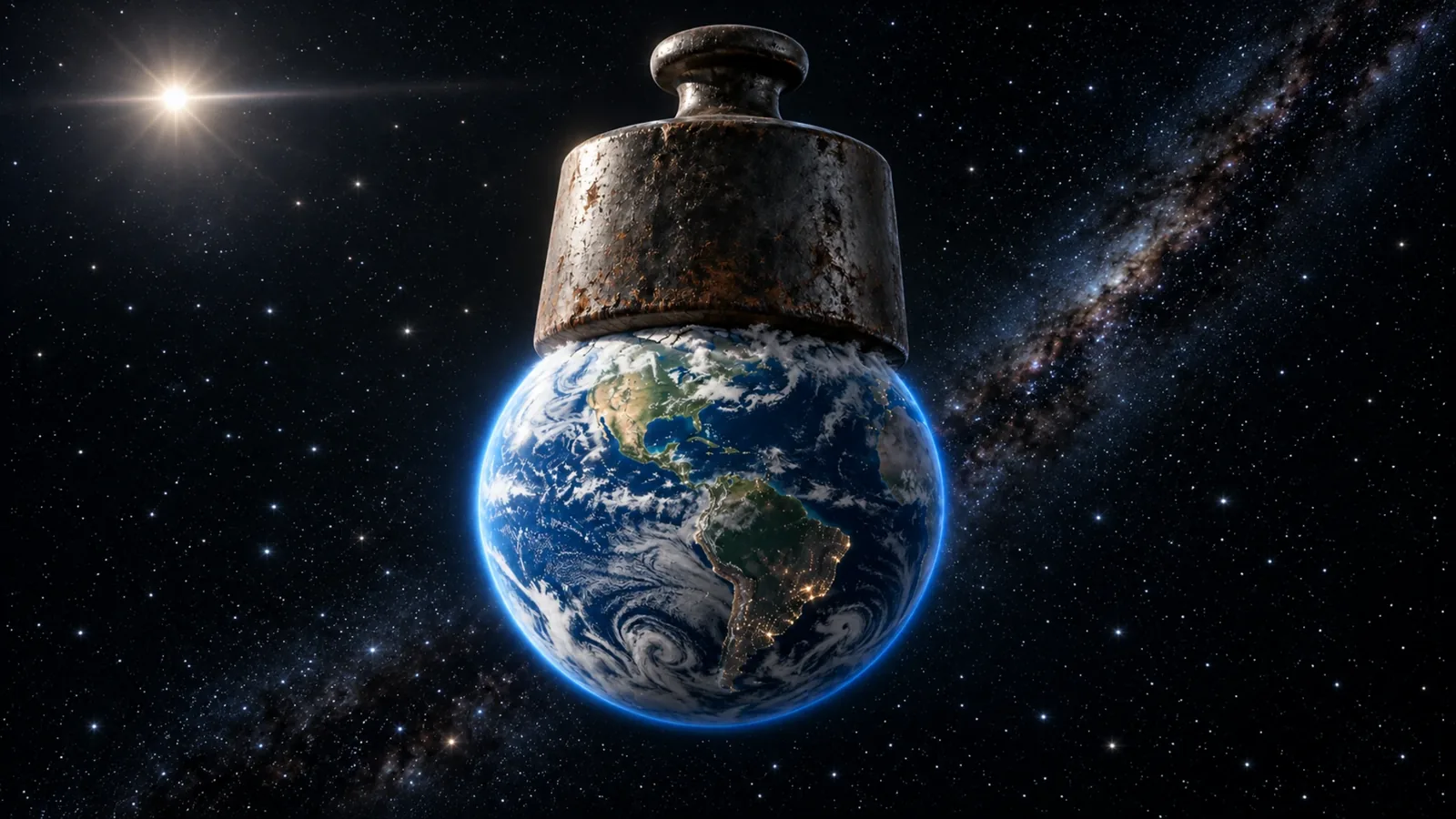
What about a giant press? An imaginary giant press could squeeze Earth from opposite sides, even in space. If released without being torn apart, Earth would tend to pull itself back toward a rounded shape because of gravity.
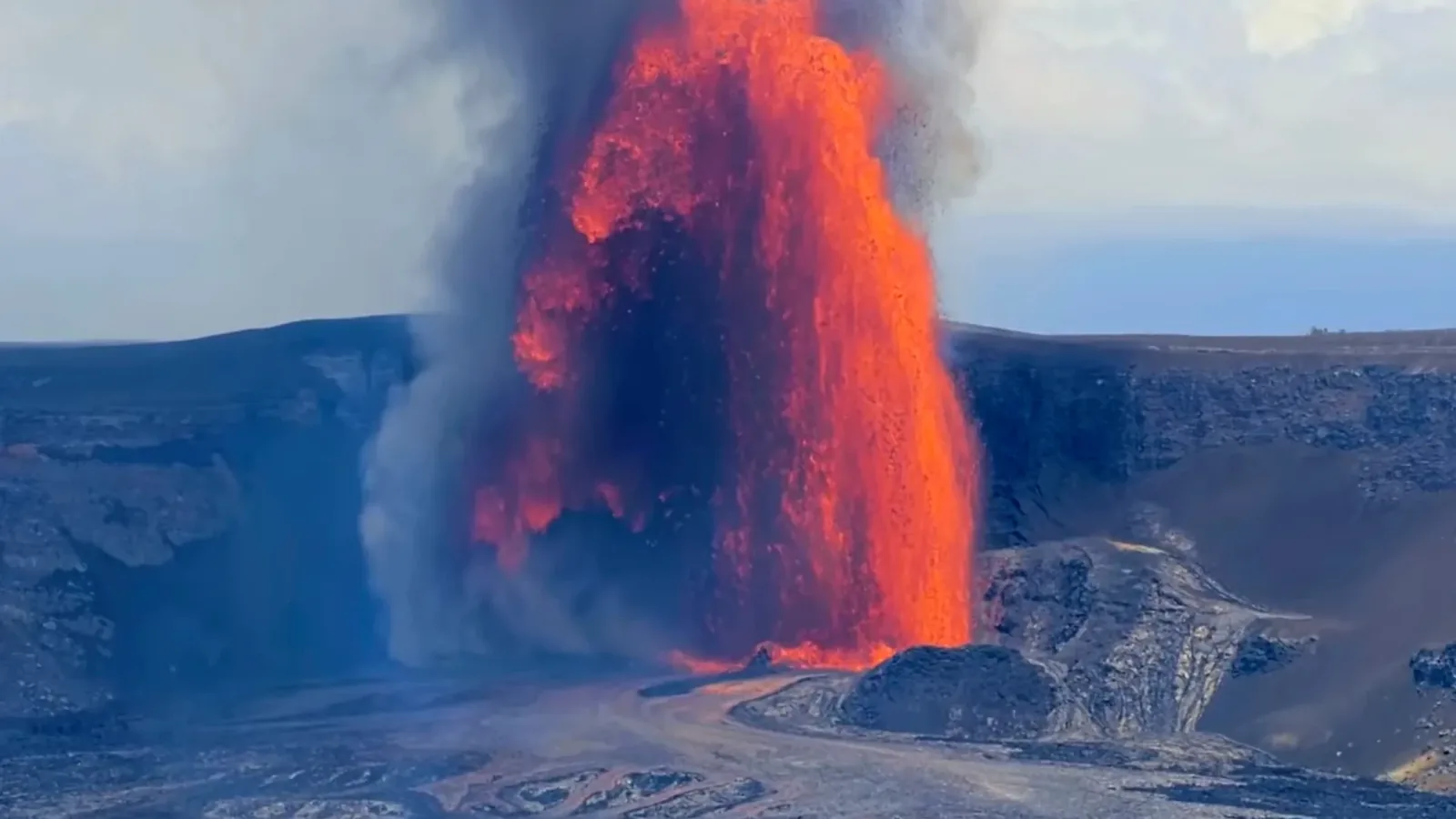
Weight does push land down: About 16,000 years ago, ice sheets up to 2 miles thick pressed the crust down across much of the Northern Hemisphere. The ice has gone, but parts of Canada and the northern US are still slowly rising today, while parts of the US East Coast are sinking. Ground can rise and fall for other reasons too, like the magma moving beneath Yellowstone or the volcanoes you can watch live.
Already a little squashed: Earth isn’t a perfect ball. Its spin makes it about 0.3% wider at the middle than from pole to pole.
LIVEWatch live →LIVEWatch live →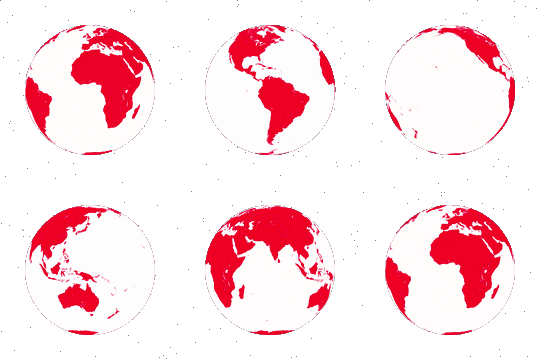 Take Me Anywhere
Sources 10
- Space.com (2024) - What would happen if Earth stopped spinning?
- Esri ArcUser - If the Earth Stood Still: Modeling the Absence of Centrifugal Force (Witold Fraczek)
- Aatish Bhatia, Empirical Zeal (2014) - Earthfall
- Smithsonian Magazine (2014) - If the Earth’s Orbit Stopped We Would Have About A Month To Contemplate Our Doom
- Universe Today via Phys.org (2016) - What if Earth stopped orbiting the sun?
- FOX Weather (2022) - How the end of gravity would mean the end of the world
- NASA Space Place - Why are planets round?
- NOAA - What is glacial isostatic adjustment?
- NASA EPIC - Earth Polychromatic Imaging Camera (DSCOVR)
- Vsauce (2014) - What If The Earth Stopped Spinning?
Editor's note
These are thought experiments. Nothing known could stop Earth's spin or orbit, or switch off its gravity, so each section sets out its own simple rules and ignores how it could happen. Timelines such as the 65-day fall into the sun come from simplified models and are rounded. The cover and orbit images are illustrations, not real photos.
How we researched this article
We used NASA and NOAA explainers, Esri's mapping model of a non-spinning Earth, Aatish Bhatia's original orbital-fall calculation, and expert comments reported by Space.com and FOX Weather. The live Earth photo comes from NASA's EPIC camera on the DSCOVR satellite.