Every year, wild animals quietly rewrite the record books. This year’s new marks run from more than six miles beneath the sea to a red panda aged 23.
Some of these records were set in 2026. Others were measured earlier and announced this year. Of the eight, only two are Guinness World Records. The rest come from scientists, and we say so each time. Here’s the countdown.
#8 Futa the Red Panda
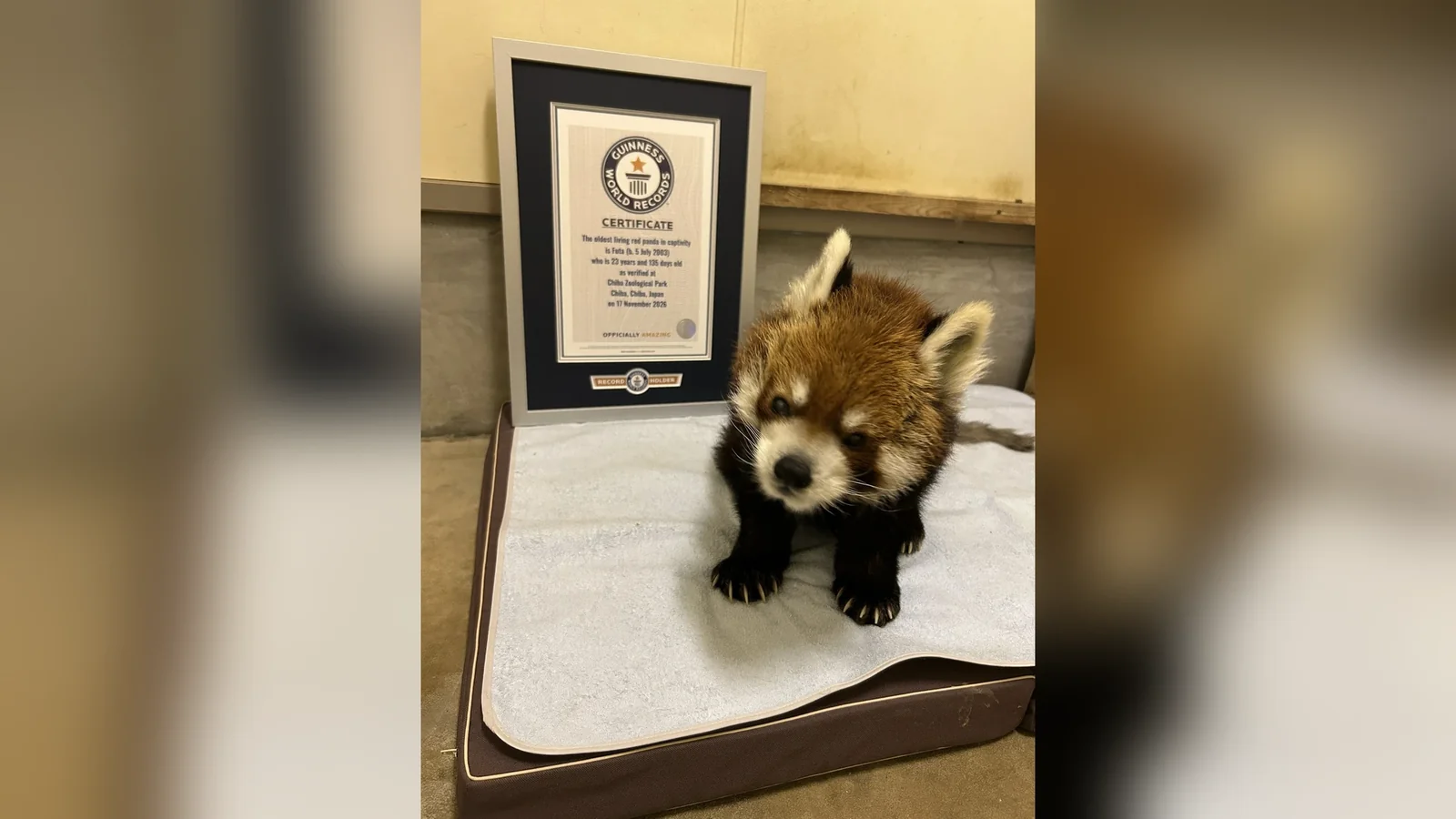
Photo: Chiba Zoological Park, blurred side panels added
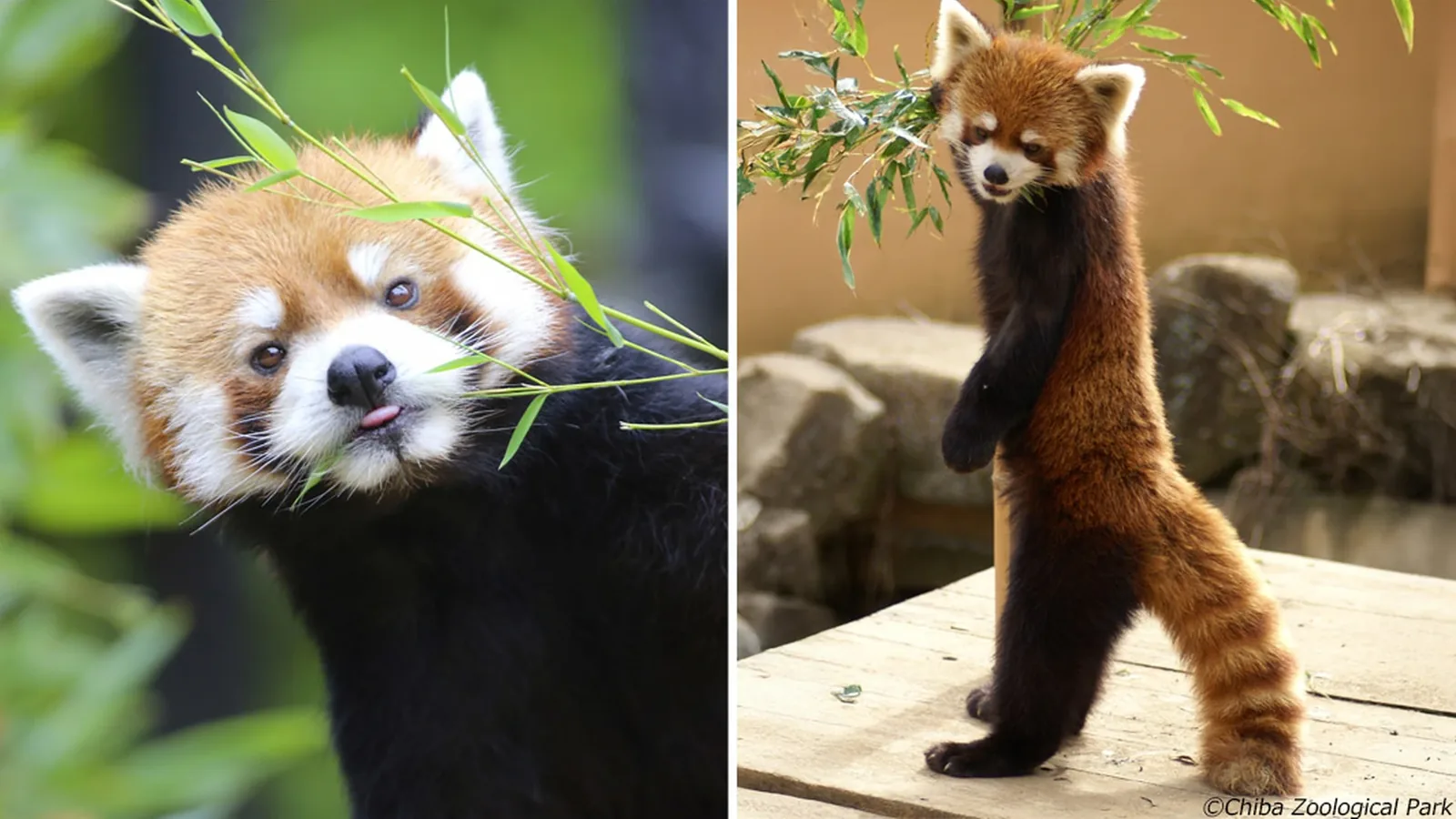
On November 17, 2026, Futa at Chiba Zoological Park in Japan became the oldest living red panda in captivity, at 23 years and 135 days, according to Guinness World Records. He first became famous for standing on his hind legs.
Read his full story in Futa the Red Panda Wins a World Record Aged 23.
LIVEWatch live →#7 Carnivorous Sponges
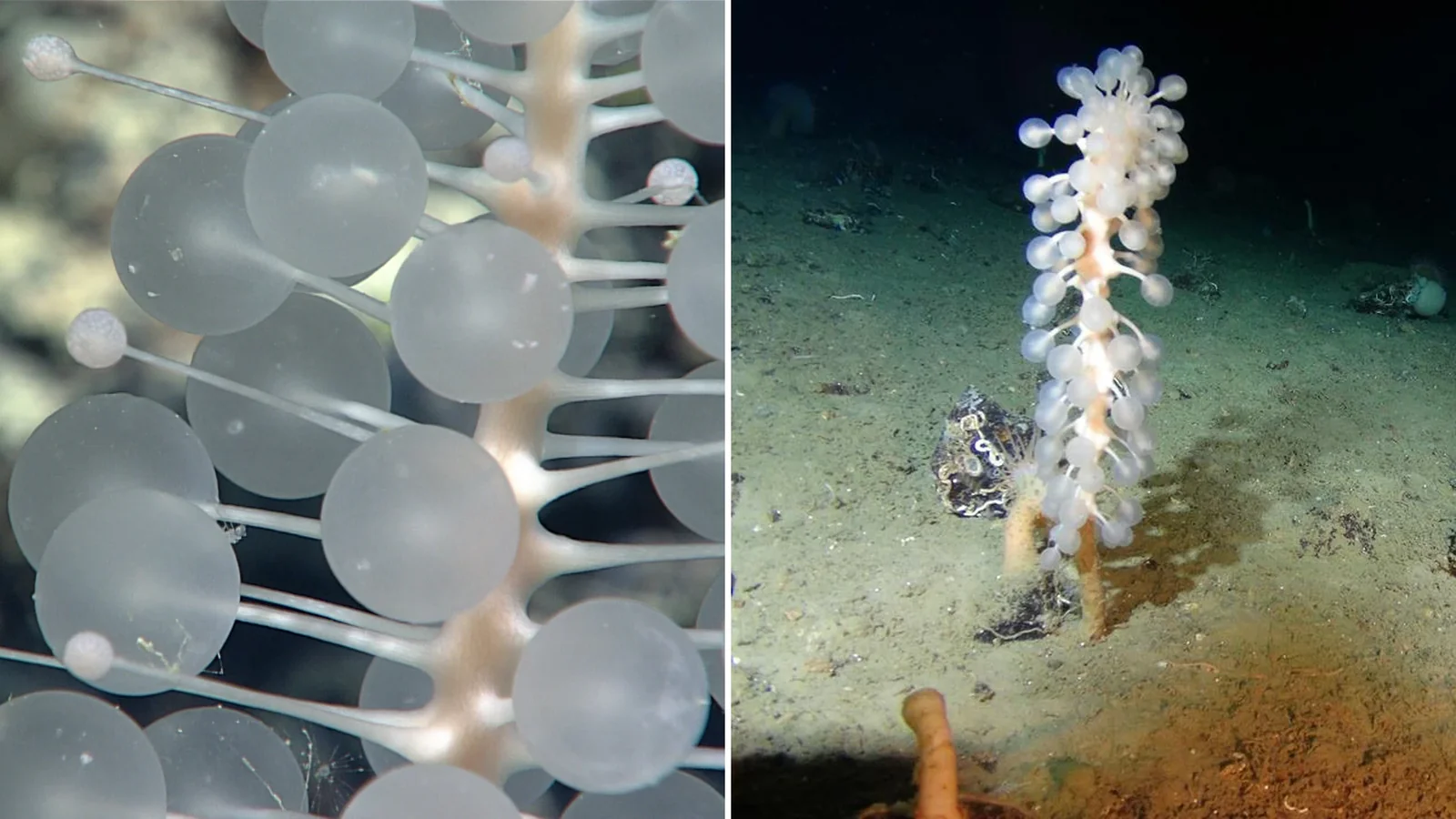
Photo: NOAA Ocean Exploration, Windows to the Deep 2021 / ArcticNet via NOAA Ocean Exploration
Sponges are animals. Most filter food from the water, but carnivorous sponges catch small prey with tiny hooks instead. In a study published on March 3, 2026, researchers recorded them at 31,969 feet (9,744 m), just over 6 miles below the surface, in the Izu-Ogasawara Trench off Japan.
The authors say it is the deepest observation of these sponges in their natural habitat to date. The sightings were made from crewed submersibles during a two-month expedition in 2022.
To see what lives at every depth of the ocean, see What Lives at Every Depth of the Ocean? To find out how much of it we have actually explored, see How Much of the Ocean Has Been Explored?
#6 A Whale Fall
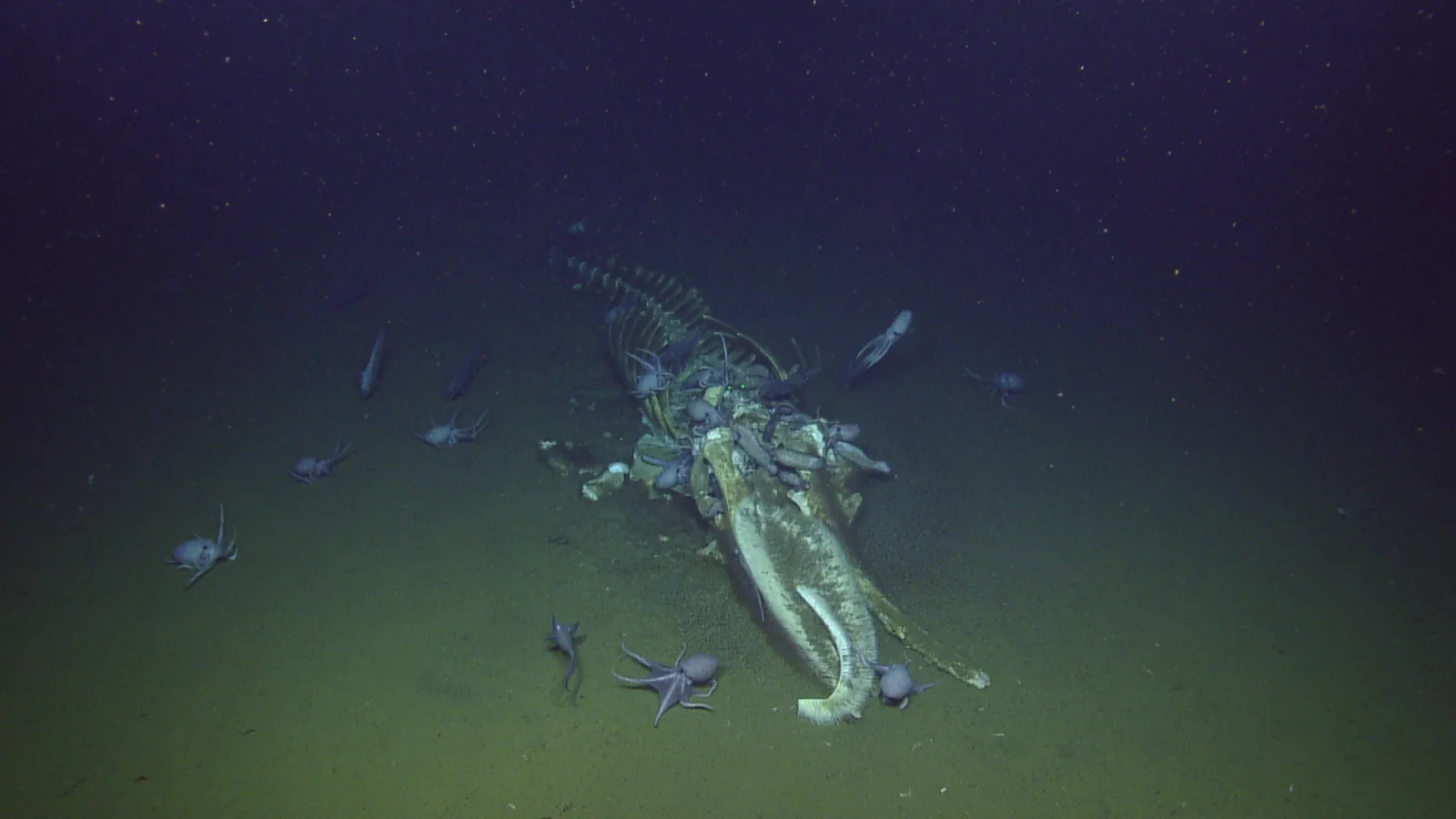
Photo: National Marine Sanctuaries / Wikimedia Commons (CC BY 2.0)
A whale fall is a dead whale that has sunk to the sea floor, where its body feeds life for years. In June 2026, a study in Nature described whale-fall communities in the southeastern Indian Ocean. The deepest active one sits at about 22,270 feet (6,789 m), more than 4 miles down.
The authors call it one of the deepest known whale-fall ecosystems and say it extends the known depth range by more than 8,200 feet (2,500 m).
For more deep-sea life, see our underwater cams.
LIVEWatch live →#5 A Giant Coral
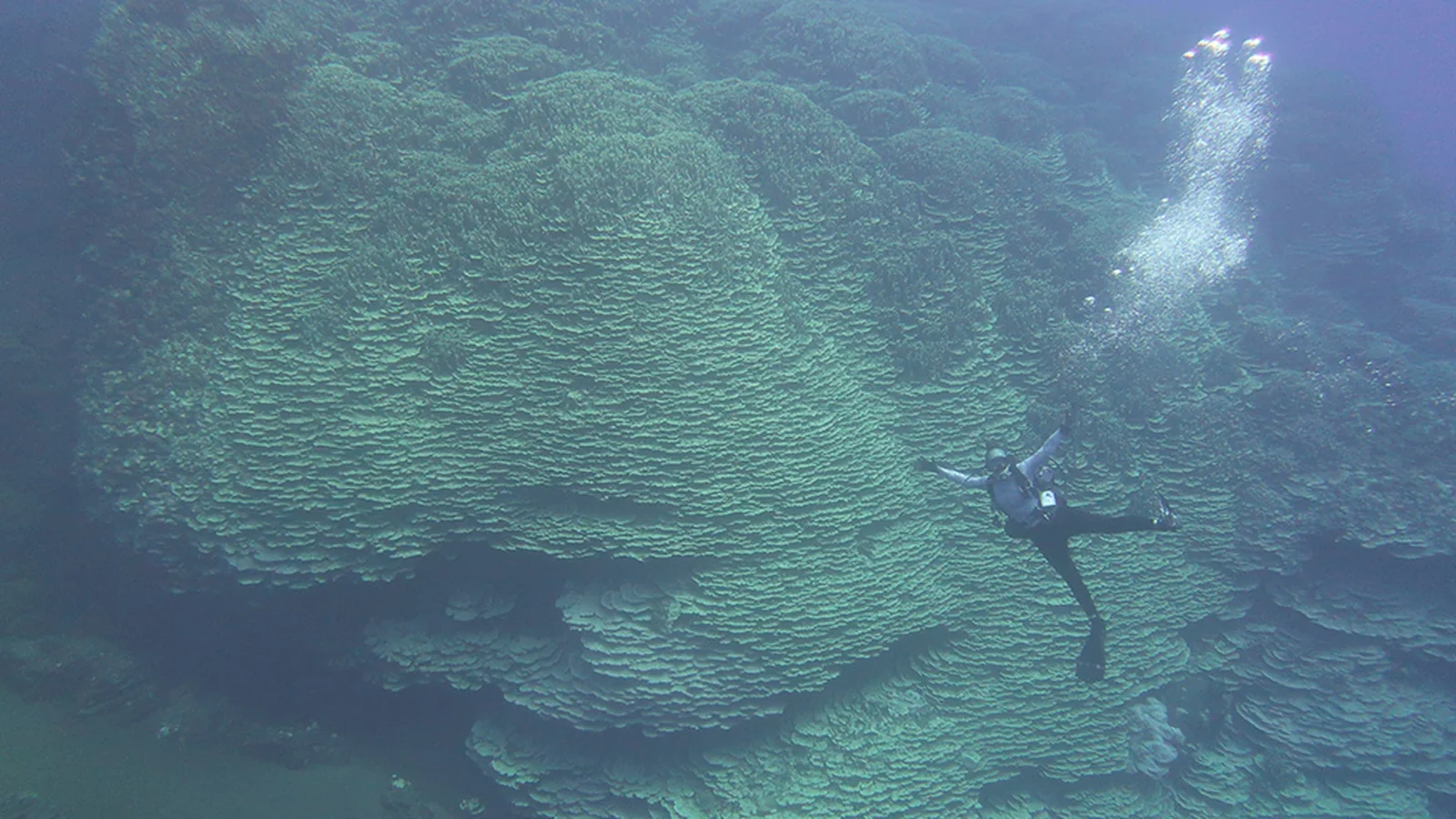
Photo: NOAA Fisheries
NOAA scientists reported a giant Porites rus coral in the Maug Islands, in a drowned volcanic crater in the Mariana archipelago. It covers roughly 14,500 square feet (1,347 m²) and is about 200 feet (62 m) wide at its base.
It’s the largest Porites coral ever reported, about 3.4 times larger than the previous record, a colony in American Samoa. NOAA says the measurements are approximate and estimates the coral could be more than 2,000 years old. It is not the largest coral of any kind.
For other animals that live for centuries or longer, see our 5 Longest Living Animals on Earth - One Ages Backwards story. Or for a living reef, see our cams in Honduras.
LIVEWatch live →#4 A Humpback Whale
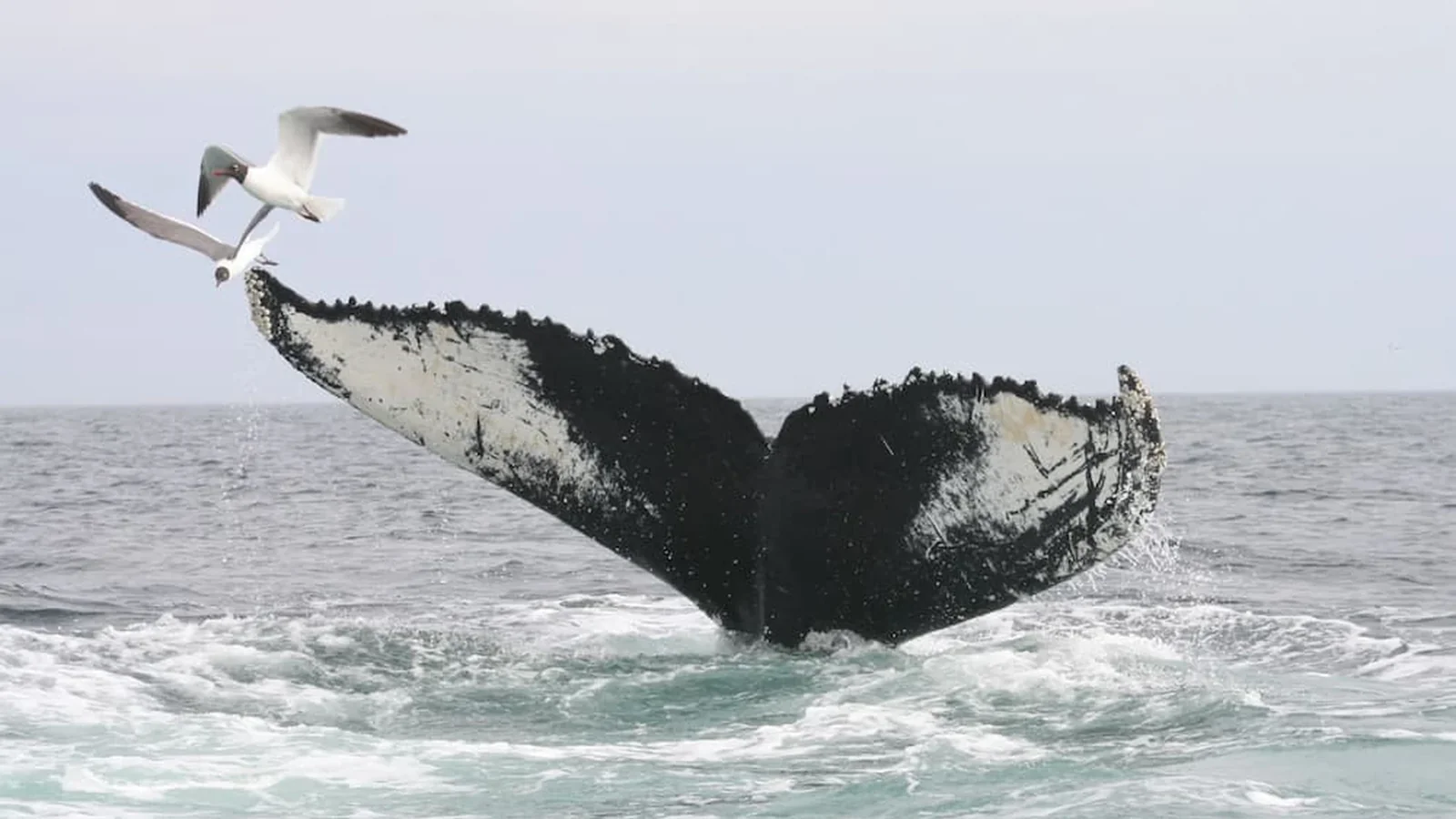
Photo: NOAA (NOAA Fisheries Permit #775-1875)
Researchers matched the tail photo of a humpback whale seen off Brazil in 2003 with the same whale in Hervey Bay, Australia, in September 2025. The two sightings are 9,380 miles (15,100 km) apart.
Griffith University says it’s the longest distance ever documented between sightings of the same humpback. The route the whale took is unknown, so the true distance it swam is probably greater.
The match came from more than four decades of whale identification records, covering nearly 20,000 humpbacks. Crossings between the two breeding regions are rare, at about 0.01 percent of the whales in those records.
For another whale that has puzzled scientists, see our 52 Hertz Whale - Is the Loneliest Whale Really Alone? story.
#3 Milo the Whale Shark
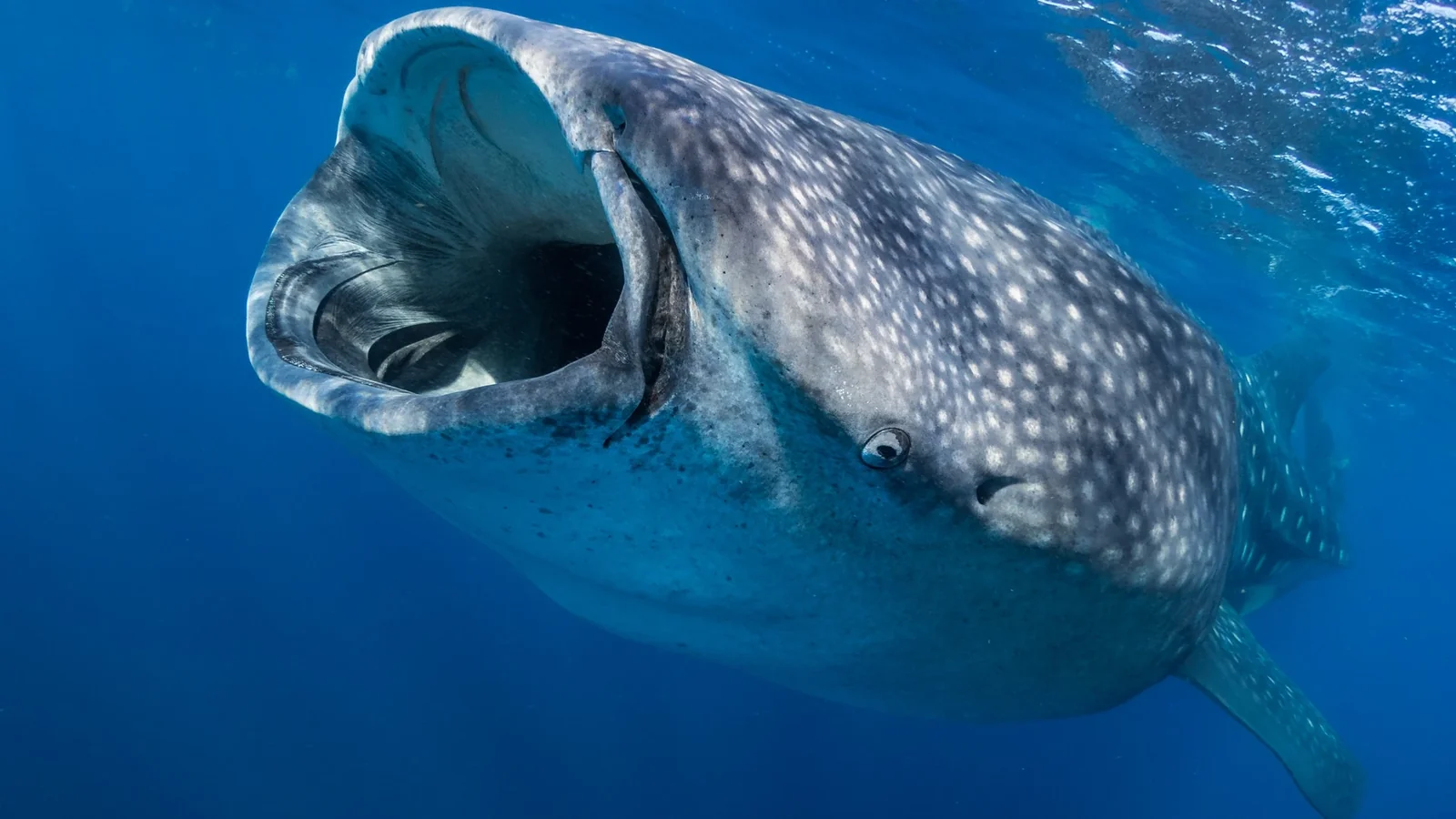
Photo: Simon Pierce / MarineMegafauna (CC BY-SA 4.0), via Wikimedia Commons
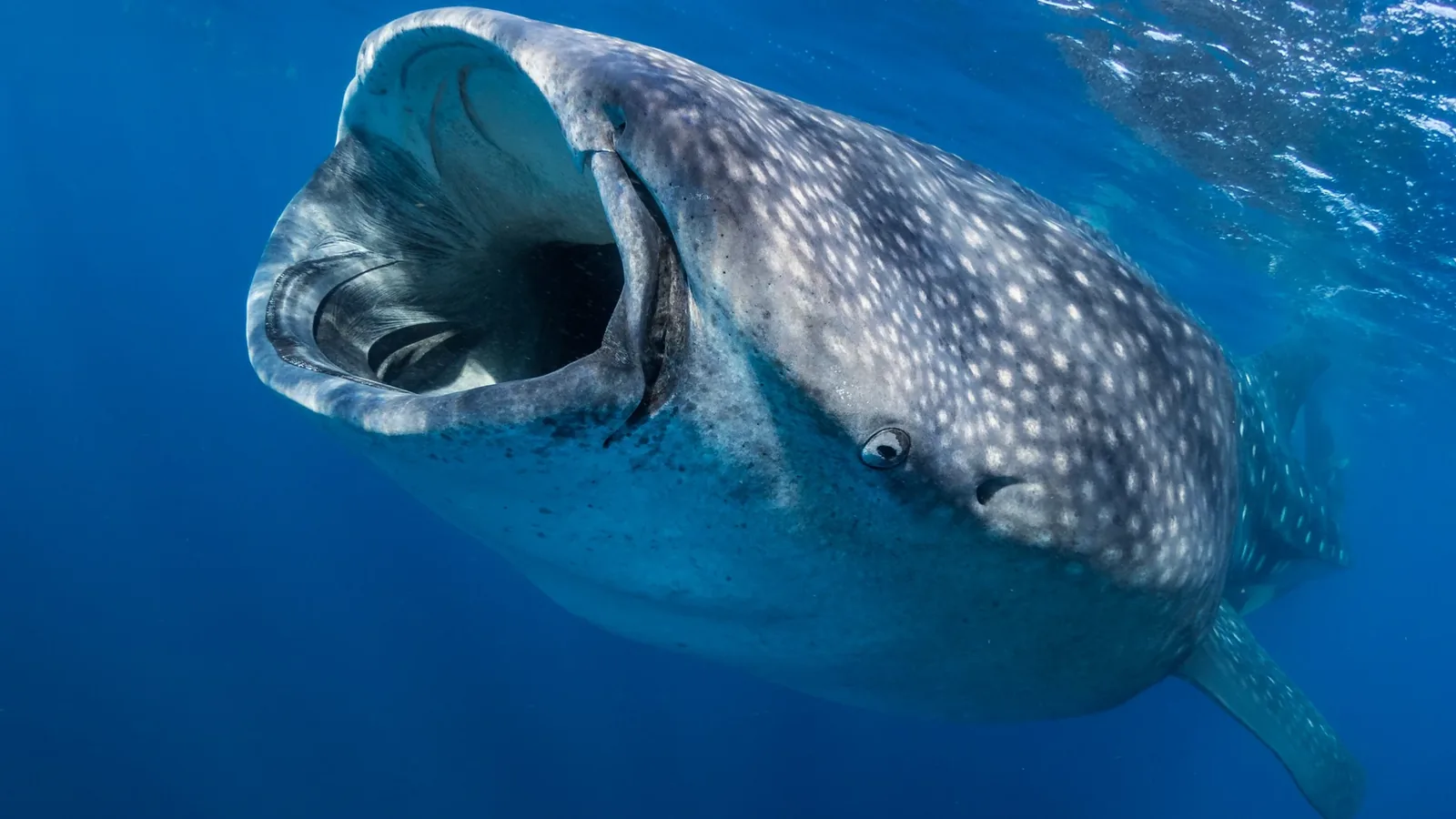
Researchers at Nova Southeastern University say Milo, a whale shark, has been tracked for more than 34,000 miles, the longest track ever recorded for a shark. He was first tagged in 2017 and tagged again in 2018, 2020, 2023 and July 2026.
That total is added up from five tags over almost a decade, and the first one, in 2017, sent back only a couple of weeks of data. Milo keeps returning to a gathering of whale sharks off the Yucatán Peninsula in Mexico.
The team calls tagging one shark five times unprecedented. The claim comes from the university’s own announcement.
For sharks you can watch live, see our aquarium cams.
LIVEWatch live →#2 Three Wild Dog Brothers
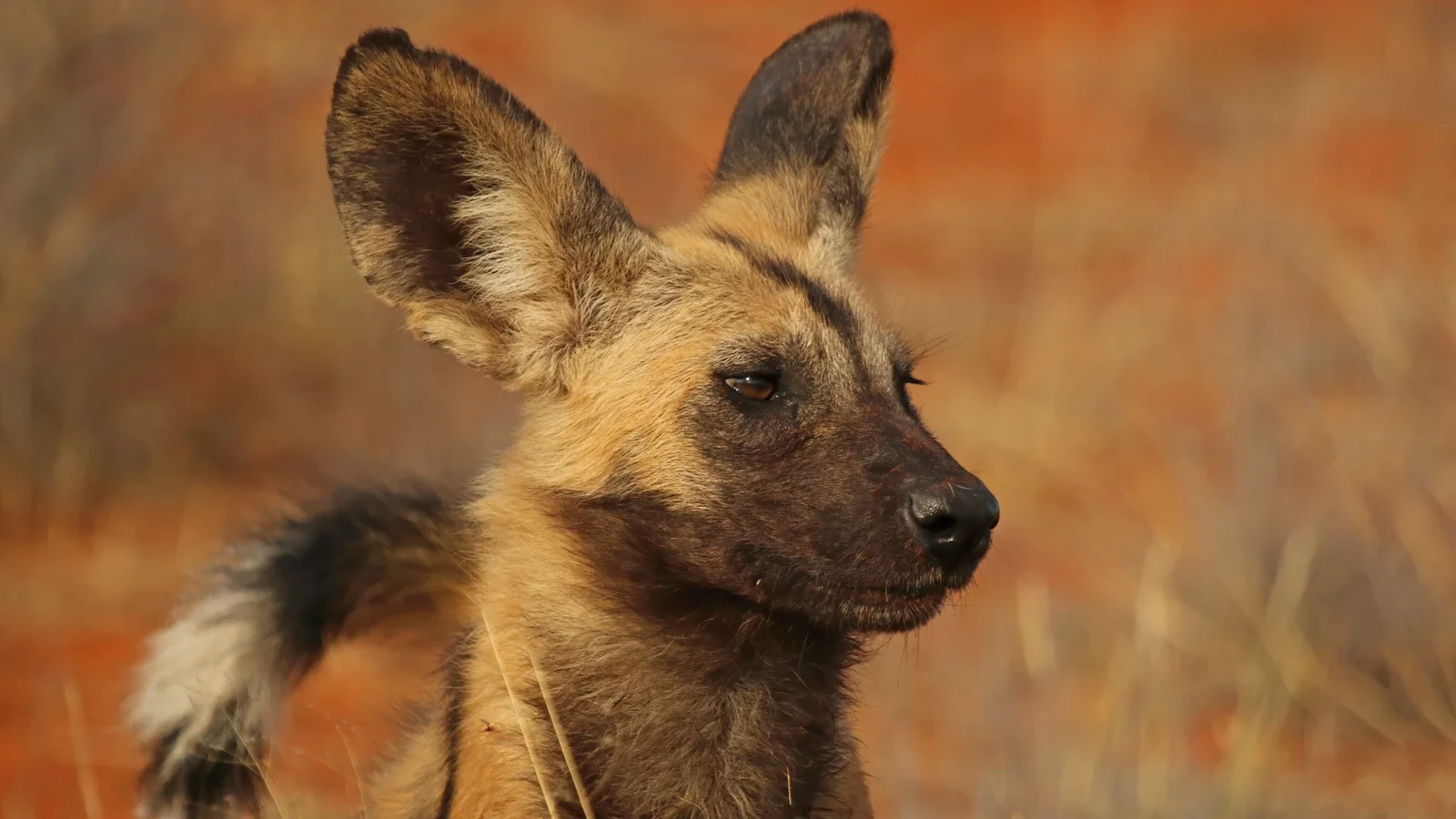
Photo: Charles J. Sharp / Wikimedia Commons (CC BY-SA 4.0)
Three male African wild dogs left their pack in Kafue National Park, Zambia, in mid-2025 to look for a new home. By April 2026, their GPS collars showed they had covered 2,564 miles (4,126 km).
They headed east, then north toward the cities of Kitwe and Ndola, doubled back, and finally reached a wildlife management area between South Luangwa and Lower Zambezi national parks. Researchers think they have settled there.
A study co-author called it the longest movement ever recorded for an African mammal. It wasn’t a seasonal migration. Young wild dogs leave home to find mates and a territory of their own, and these three went a very long way.
For more African wildlife, see our Sofa Safari: Watch Africa’s Big Five Live story or our safari and waterhole cams collection.
LIVEWatch live →#1 Ibu Baron
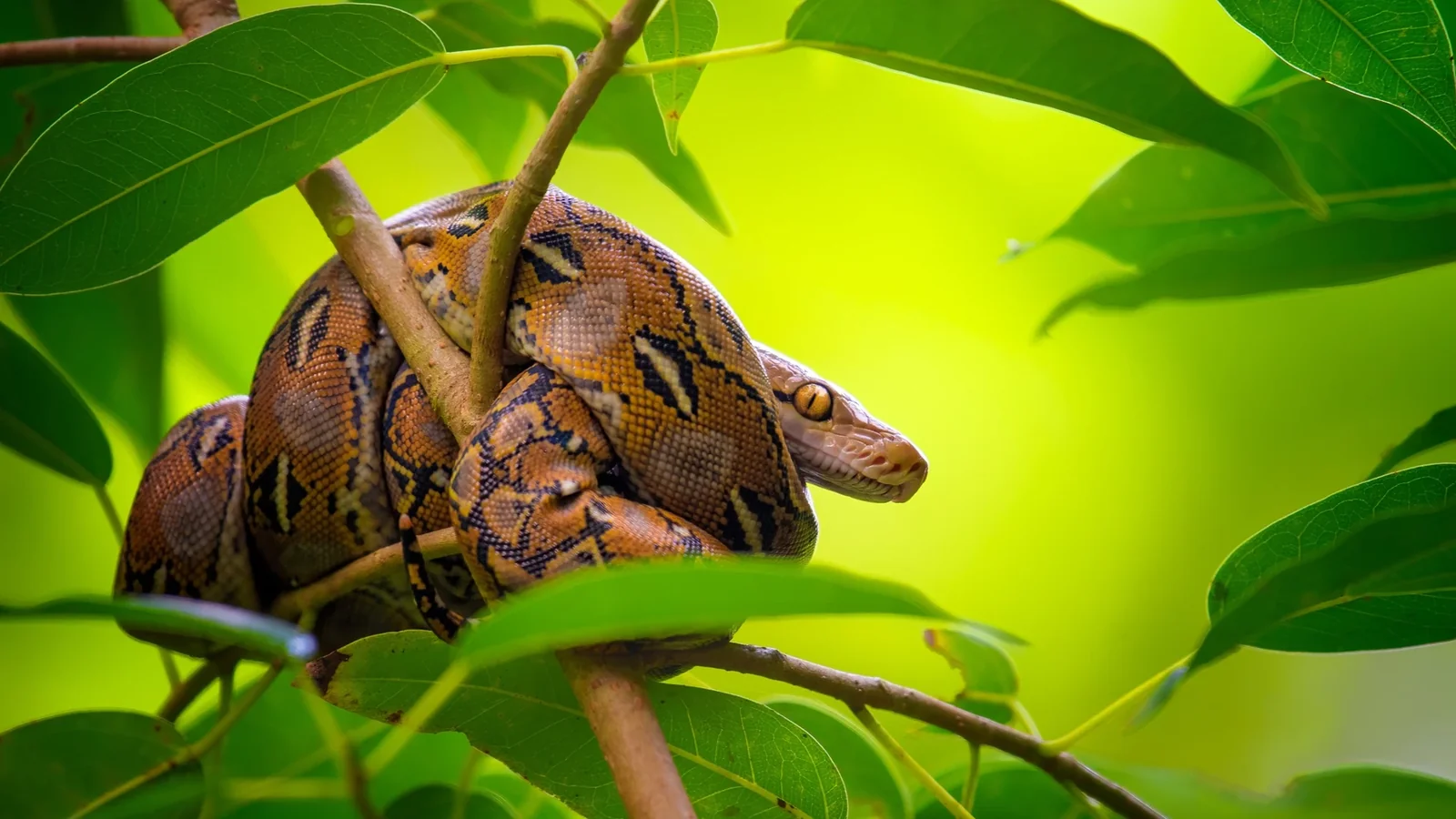
Photo: Kirkamon A. Cabello / Wikimedia Commons (CC BY-SA 4.0)
Guinness World Records recognized “Ibu Baron,” a female reticulated python from Sulawesi, Indonesia, as the longest wild snake formally measured. She stretched 23 feet 8 inches (7.22 m) from head to tail tip.
She was found in the Maros region in late 2025 and measured on January 18, 2026. The wording matters: she is the longest wild snake formally measured, not the longest snake ever. Wildlife guide Diaz Nugraha and explorer Radu Frentiu assessed the snake, and Guinness reviewed the evidence.
For more big animals, view the 5 Heaviest Land Animals Ever to Exist or 27 of the Weirdest and Ugliest Animals in the World.
3 More Nature Records from 2026
These three aren’t living wildlife, but they’re too good to leave out: a giant gourd, a carnivorous plant and a fossil.
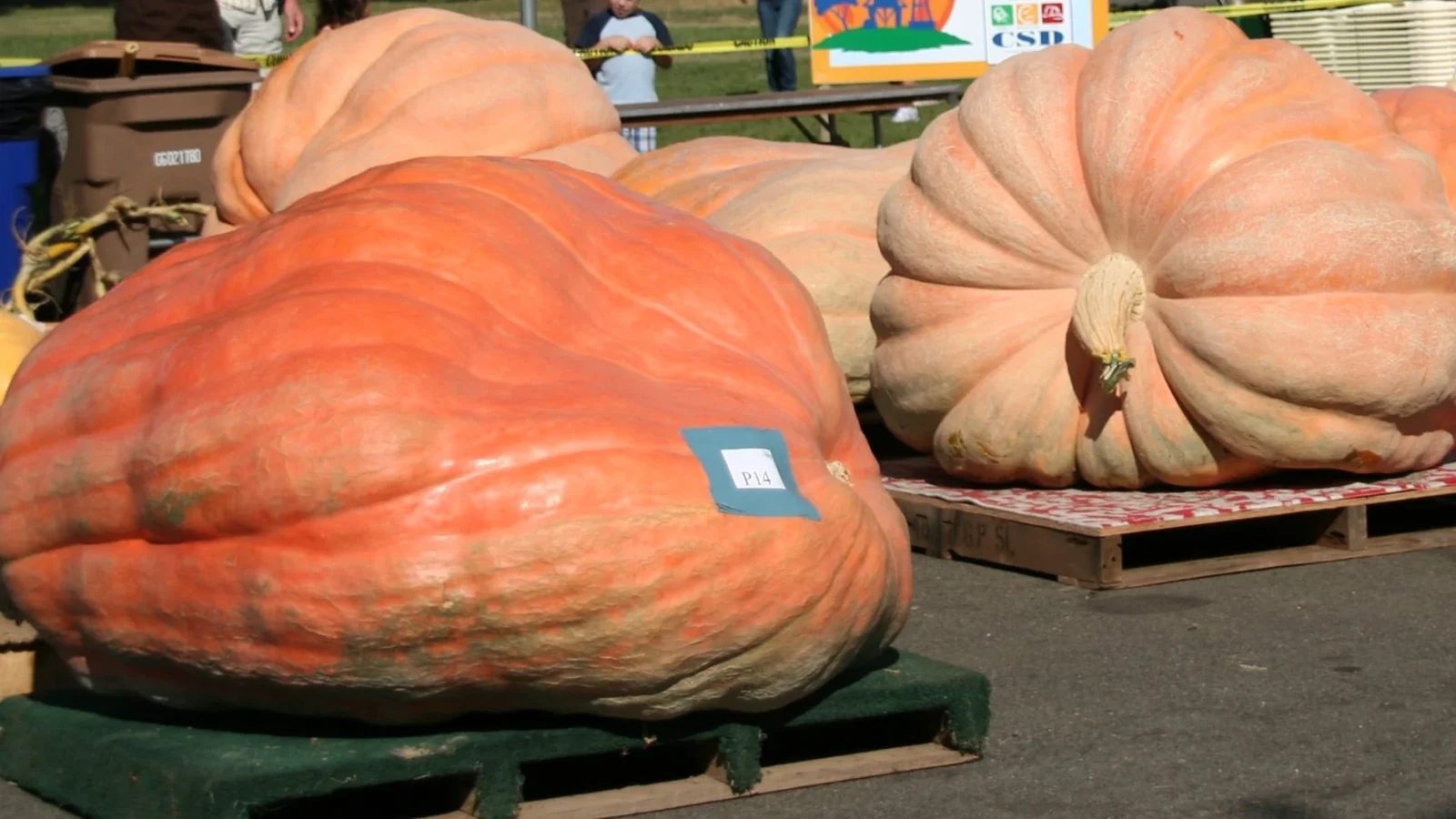
Photo: Yourcsd / Wikimedia Commons (CC BY-SA 3.0)
The first 3,000-pound pumpkin: On October 10, 2026, Ron Wallace weighed in a 3,156-pound (1,431.5 kg) pumpkin in Rhode Island, the first ever over 3,000 pounds. It beat a record set a week earlier in the UK by Ian Paton.
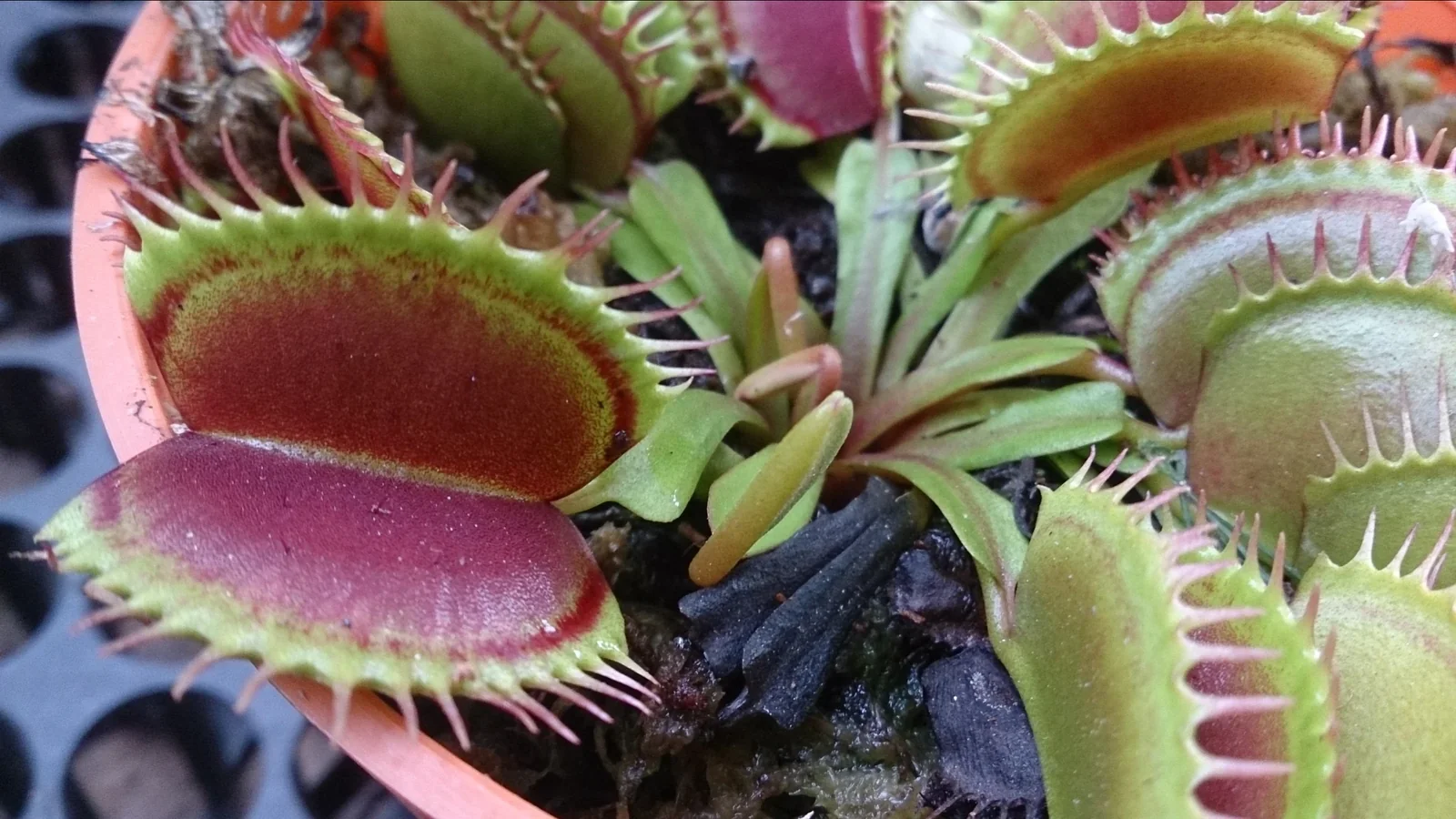
Photo: Mokkie / Wikimedia Commons (CC BY-SA 4.0)
A bigger flytrap: Jeremiah Harris of Colorado grew a Venus flytrap trap 2.6 inches (6.6 cm) across, verified by Guinness on June 9. It’s his third record.
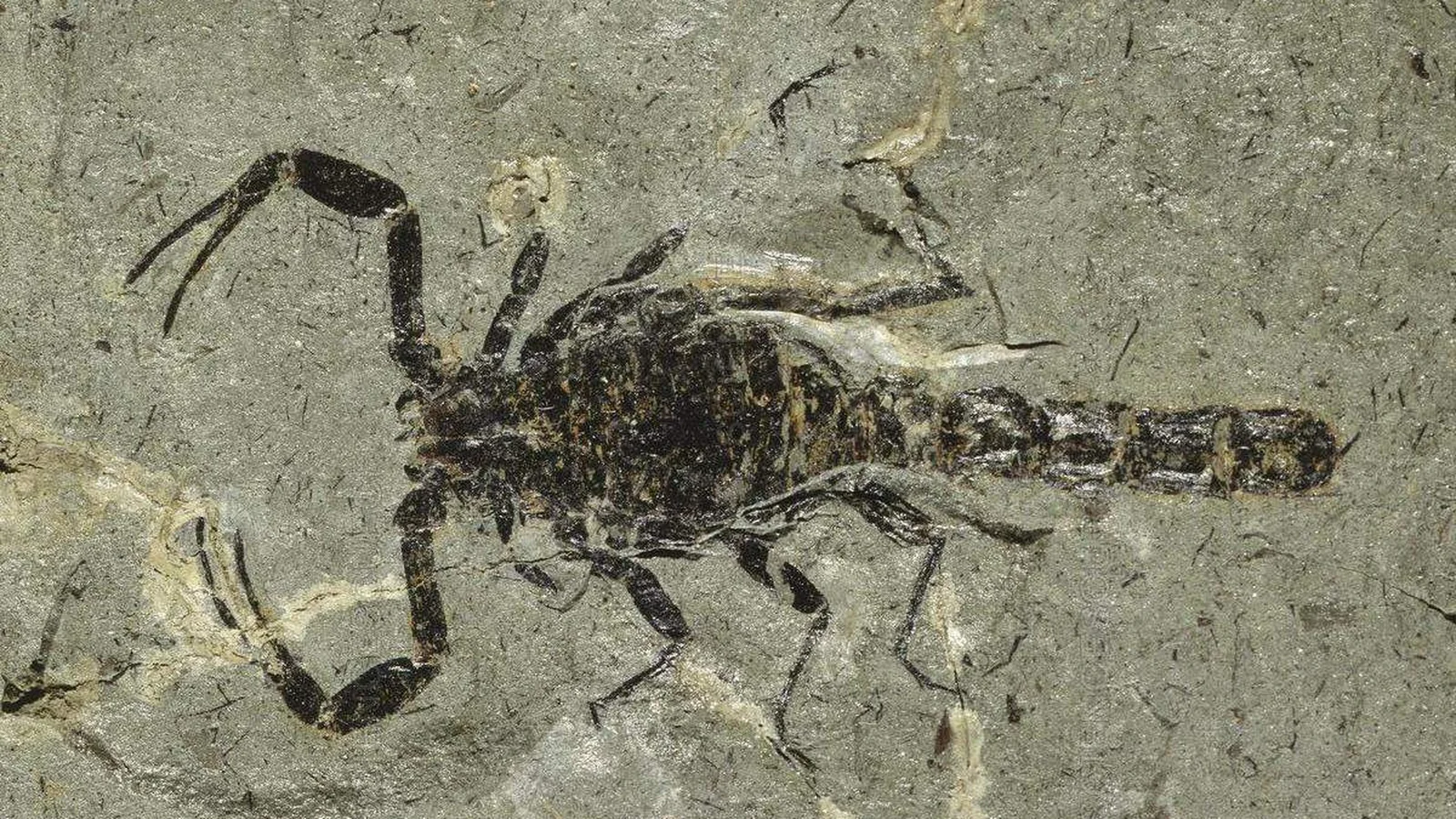
The largest scorpion ever: Scientists reported that fossils from England and Wales belong to Praearcturus gigas, a scorpion about 3 feet 3 inches (1 m) long that lived around 415 million years ago. The length is an estimate, because the fossils are fragmentary.
 Take Me Anywhere
Sources (12)
- Guinness World Records (2026) - Indonesian python makes GWR hissstory as the longest measured wild snake
- Mongabay (2026) - Longest African mammal movement recorded by Zambian wild dogs
- Ecology (2026) - Wild dog dispersal study, DOI 10.1002/ecy.70504
- Nova Southeastern University (2026) - Retagged whale shark smashes world record for longest ever shark track
- Griffith University (2026) - Fluke photos confirm humpback whale’s ocean crossing
- Nature (2026) - Whale-fall communities of the Diamantina Zone, vol. 654
- EurekAlert (2026) - Biodiversity of Japan’s deepest ocean trenches
- NOAA National Ocean Service (2026) - Colossal coral in the Mariana Islands
- Guinness World Records (2026) - 23-year-old red panda in Japan becomes the world’s oldest
- Guinness World Records (2026) - Pumpkinpalooza: how the world’s biggest pumpkin record fell twice in one week
- Guinness World Records (2026) - It’s a trap! Colorado man snaps up record for the largest Venus flytrap
- University of Manchester (2026) - World’s largest scorpion revealed from 415-million-year-old fossils
Editor’s note: This is a researched selection, not a complete list of 2026 records. Only the python, Futa, pumpkin and flytrap are Guinness World Records. The other entries are records reported by researchers. Milo’s distance is a total from several tags and comes from the university’s announcement. The humpback figure is the distance between two sightings, not a tracked journey. The live cams show related animals and habitats, not the animals in the records.
How we researched this article: We checked each record against the Guinness World Records website, the researchers’ own announcements, or the published study, and used the wording each source uses for its claim. Dates are the announcement or publication dates.