Somewhere in Africa right now, an elephant herd is walking down to a waterhole. A leopard may be waking up in the shade, and a lion pride is waiting for the heat to break.
You don’t need a plane ticket to see it. Dozens of cameras now stream from lodges, reserves and riverbanks across the continent.
Here’s what the Big Five are, where to watch each one, and how to time it so you actually see something.
What Are the Big Five?
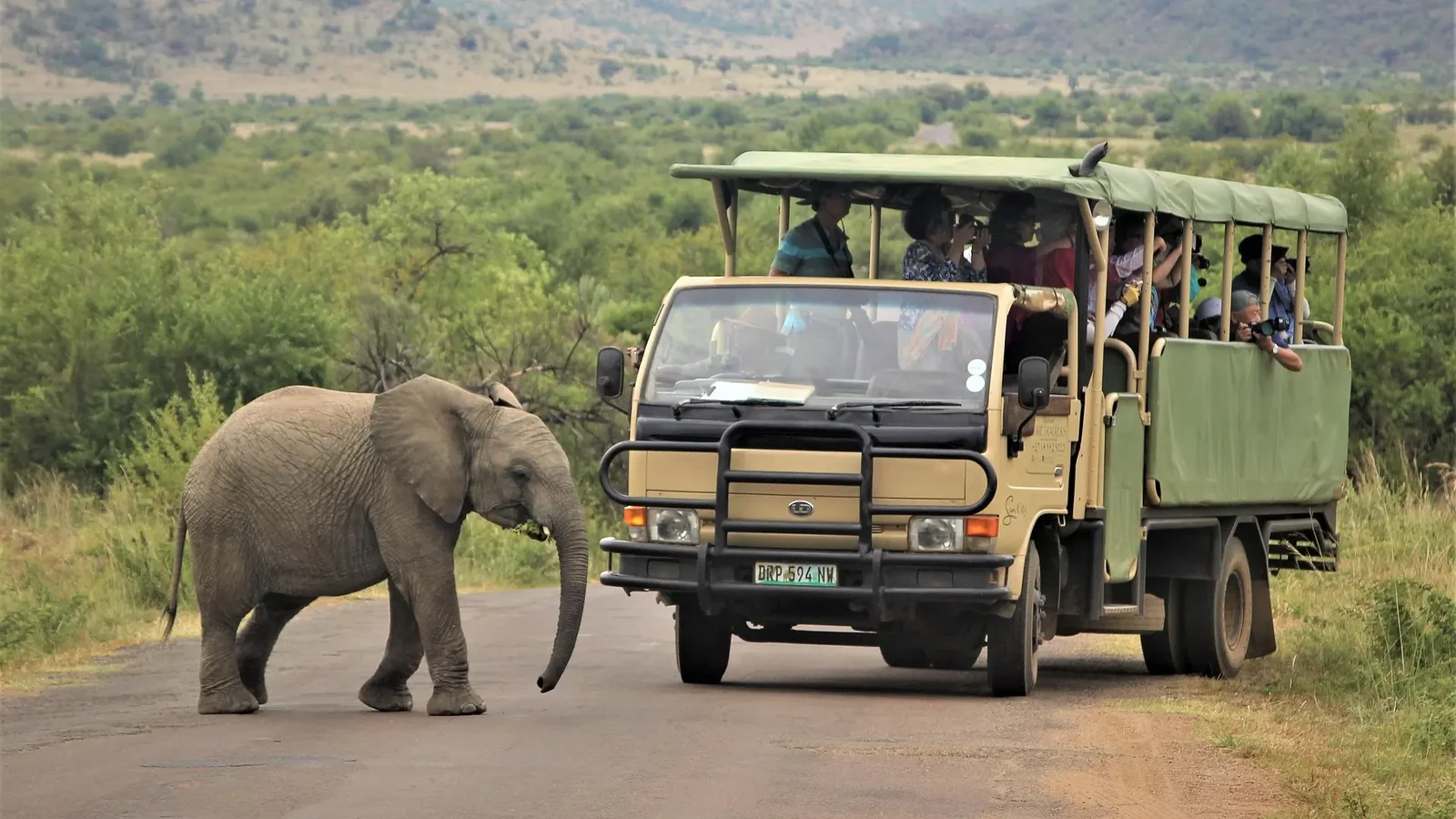
Photo: Nel_Botha / Pixabay
The name doesn’t come from safari brochures. Big-game hunters coined it for the five animals considered the hardest and most dangerous to hunt on foot.
Today the same five are what most people hope to see with a camera instead of a gun: lion, leopard, African elephant, African buffalo and rhino.
Seeing all five in one day is rare, even on a real safari. On the cams, patience pays off.
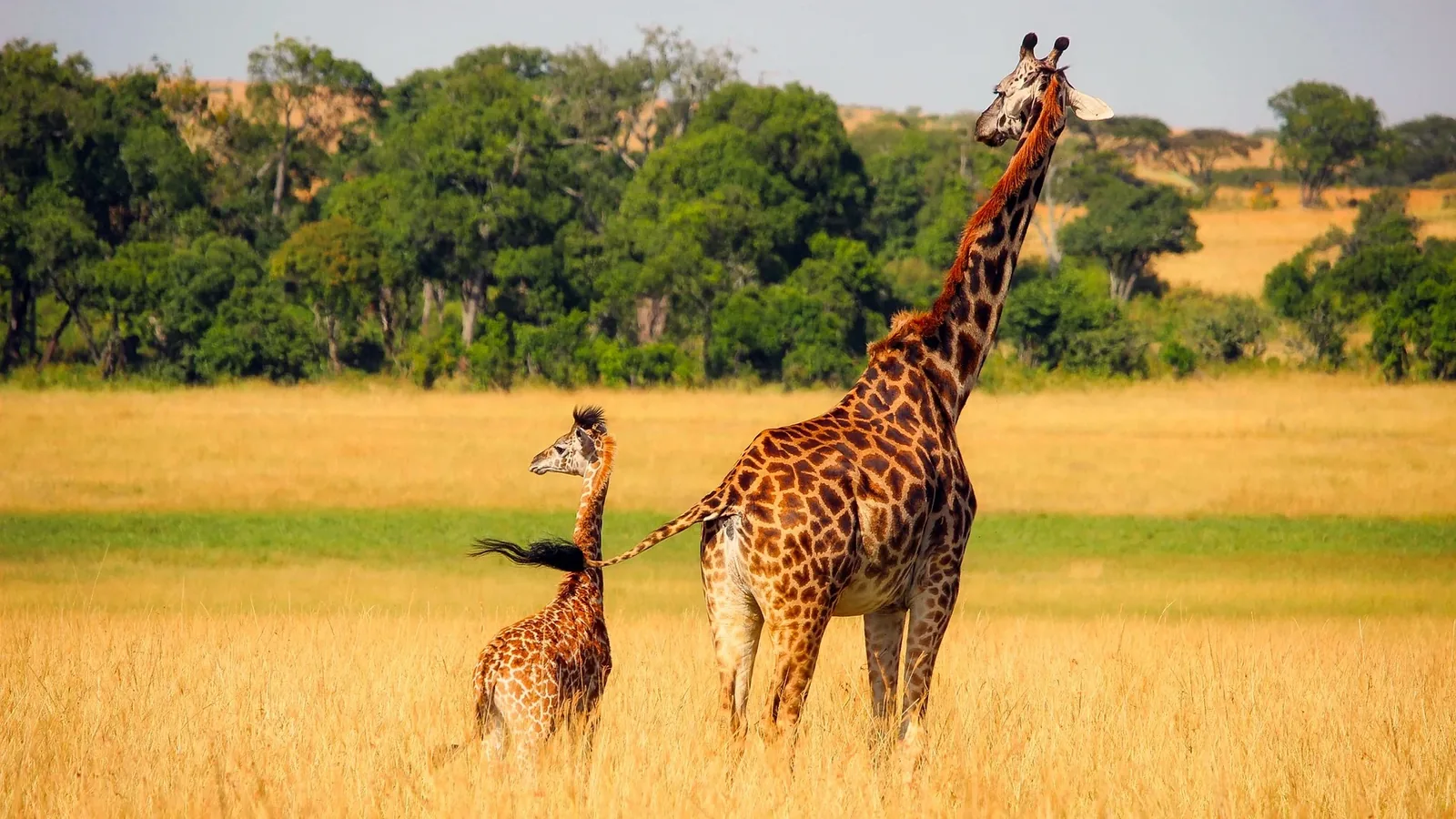
Giraffes didn’t make the list, but they’re one of the most-loved sights on any safari. See what happens in a baby giraffe’s first hour, from a 6-foot fall to its first wobbly steps.
Lion
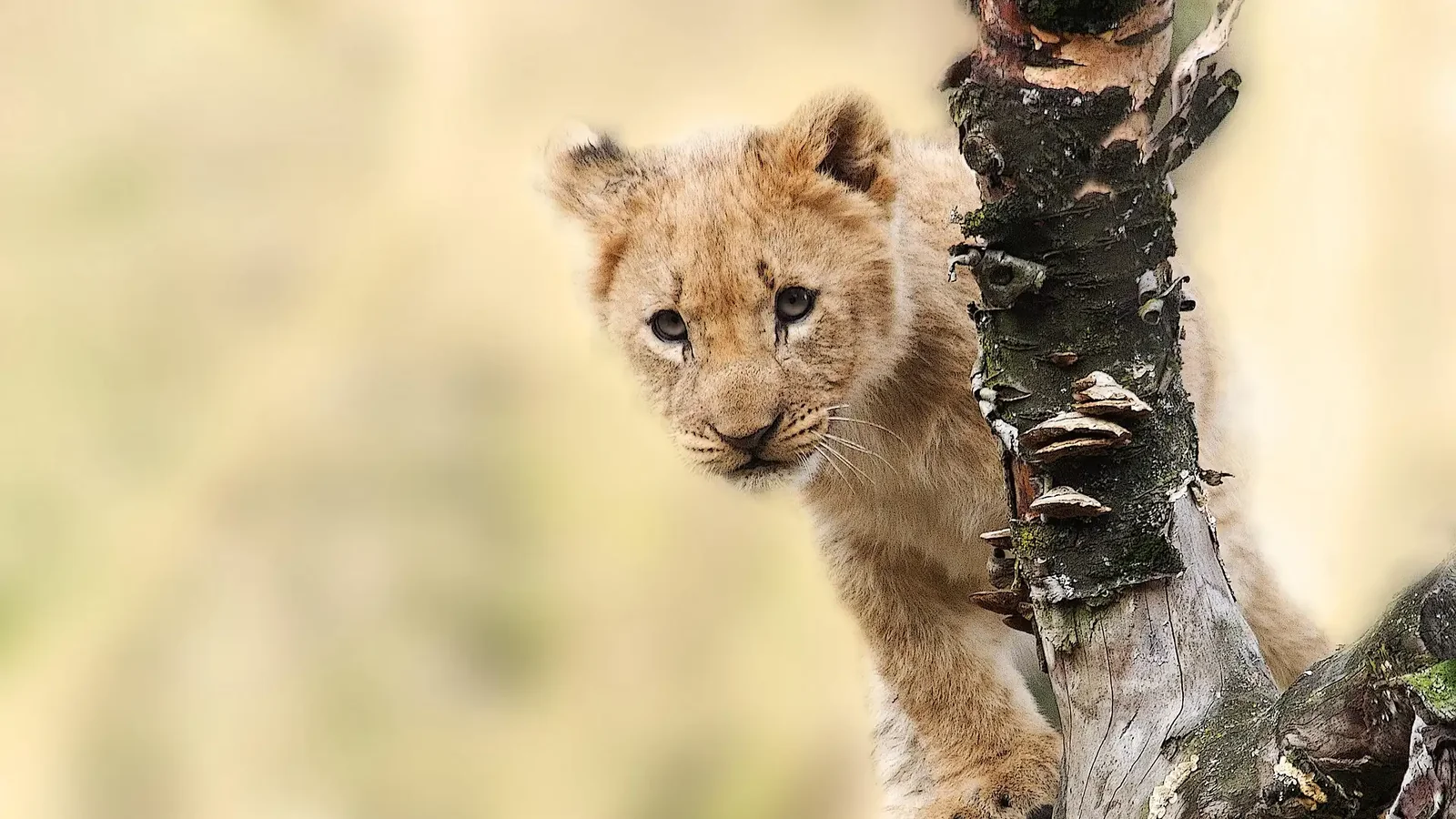
Photo: Sponchia / Pixabay
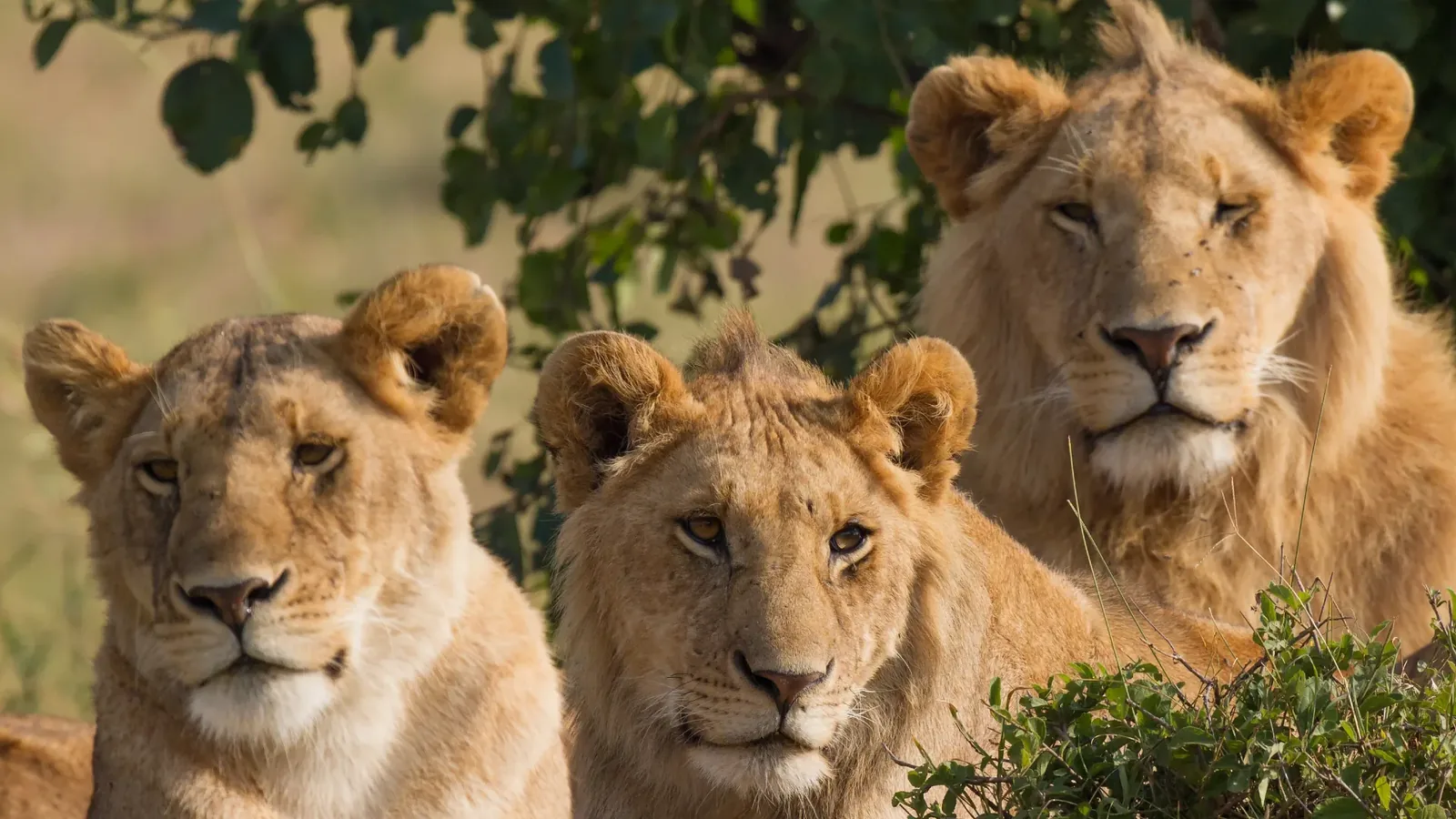
Lions are the only truly social big cats. A pride is usually a group of related females, their cubs and one or a few males.
They spend most of the day resting, often up to 20 hours. Watch the cams at dusk, when prides wake up and start moving.
Lions also star in the most-viewed wildlife video we’ve found on YouTube: a huge pride blocking a road in Kruger National Park, with more than 403 million views. Watch it in our countdown of the most-watched wildlife clips on YouTube.
The Maasai Mara in Kenya is classic lion country.
LIVEWatch live →LIVEWatch live →Leopard
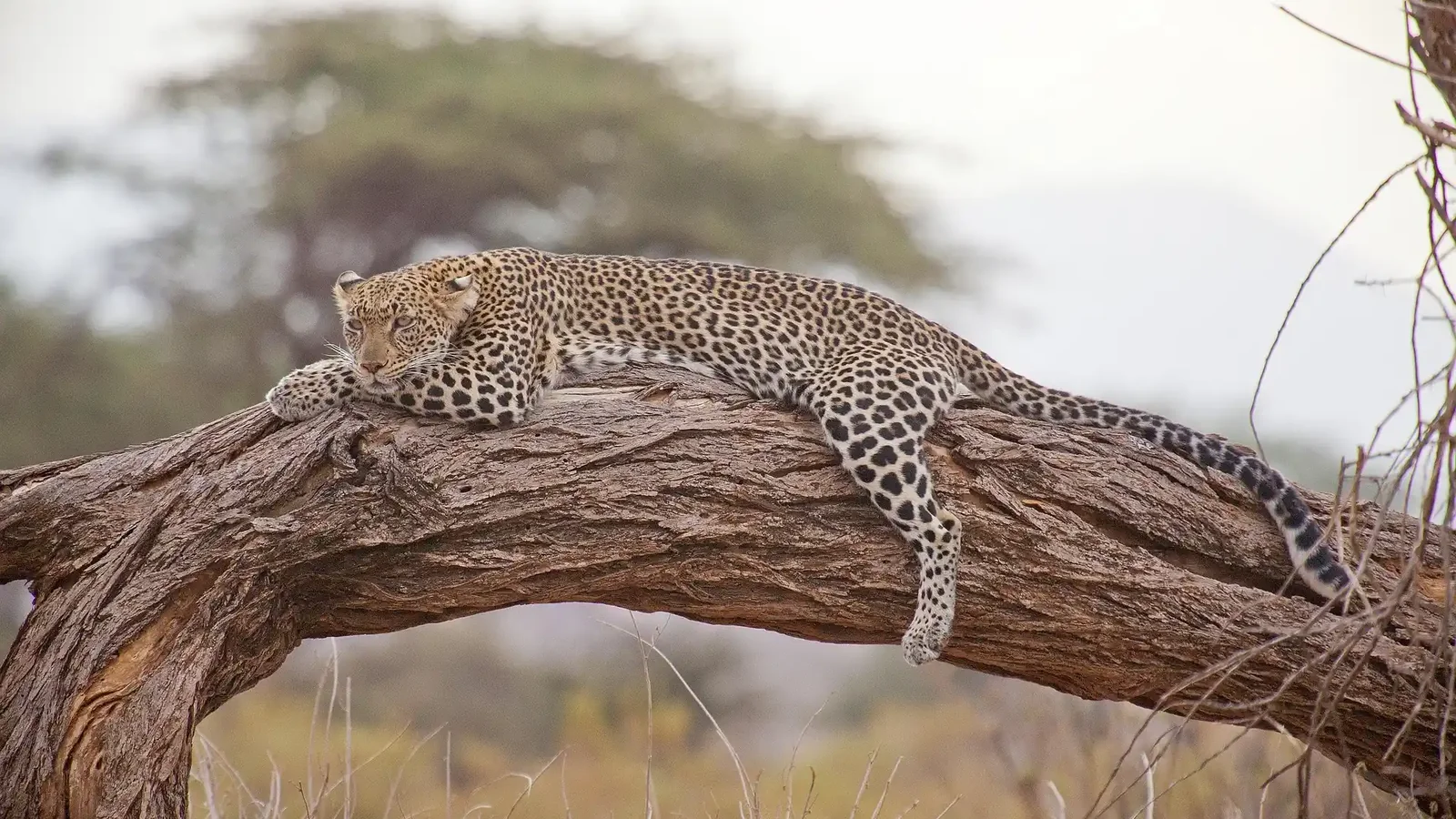
Photo: ejakob / Pixabay
The leopard is the hardest of the five to spot. It is solitary, mostly active at night, and superb at hiding.
The Sabi Sand reserve, next to Kruger in South Africa, is one of the best places in Africa to see them. Its leopards are famously relaxed around vehicles.
Djuma has been streaming wildlife from here since 1998. Read the full story of the Djuma cam.
LIVEWatch live →LIVEWatch live →Elephant
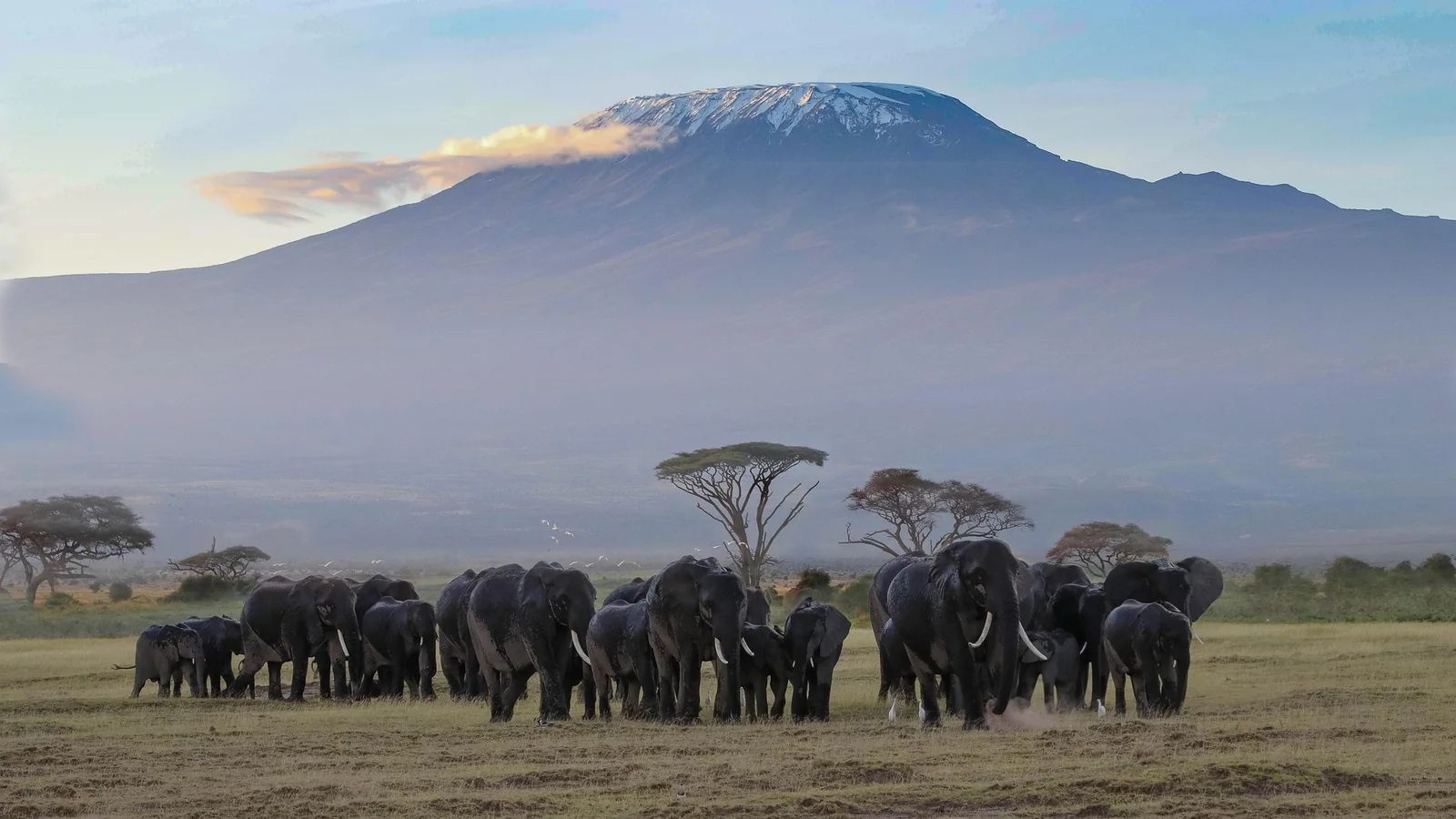
Photo: herbert2512 / Pixabay
Elephants are the easiest of the five to catch on camera, because they need to drink every day.
Botswana has more of them than any other country: an estimated 131,909 in the Botswana portion of the 2022 KAZA elephant survey.
In the dry season, herds walk long distances to the last water. Hwange National Park in Zimbabwe, home to one of Africa’s largest elephant populations, is a good example.
LIVEWatch live →LIVEWatch live →LIVEWatch live →LIVEWatch live →Buffalo
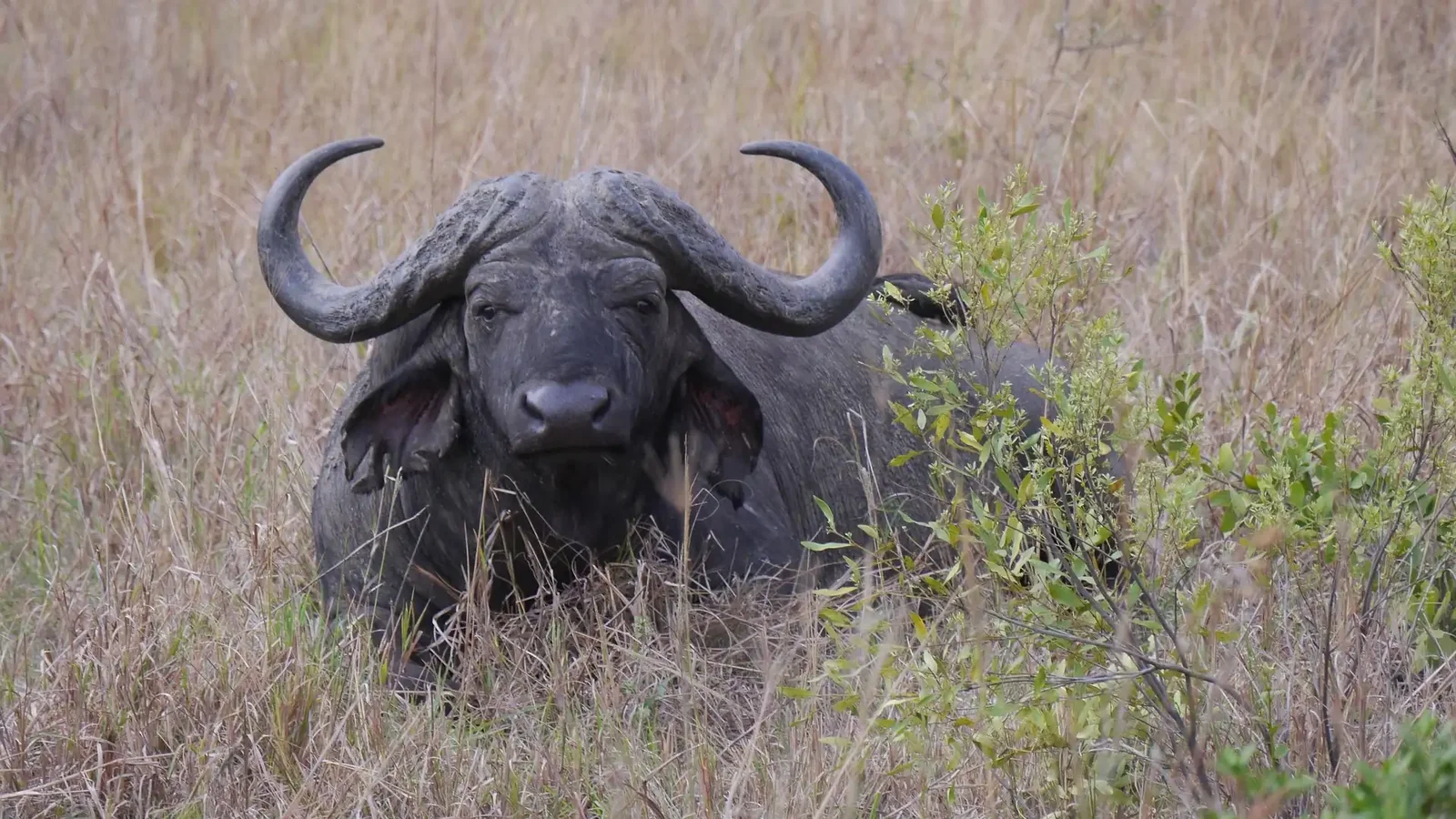
Photo: hbieser / Pixabay
Buffalo look like cattle, but hunters nicknamed them “Black Death.” A wounded or cornered buffalo can be extremely dangerous.
They live in herds that can number in the hundreds, and they drink every day, so river and waterhole cams catch them often.
The Zambezi floodplains at Mana Pools in Zimbabwe and the Greater Kruger reserves in South Africa are good places to look.
LIVEWatch live →LIVEWatch live →Rhino
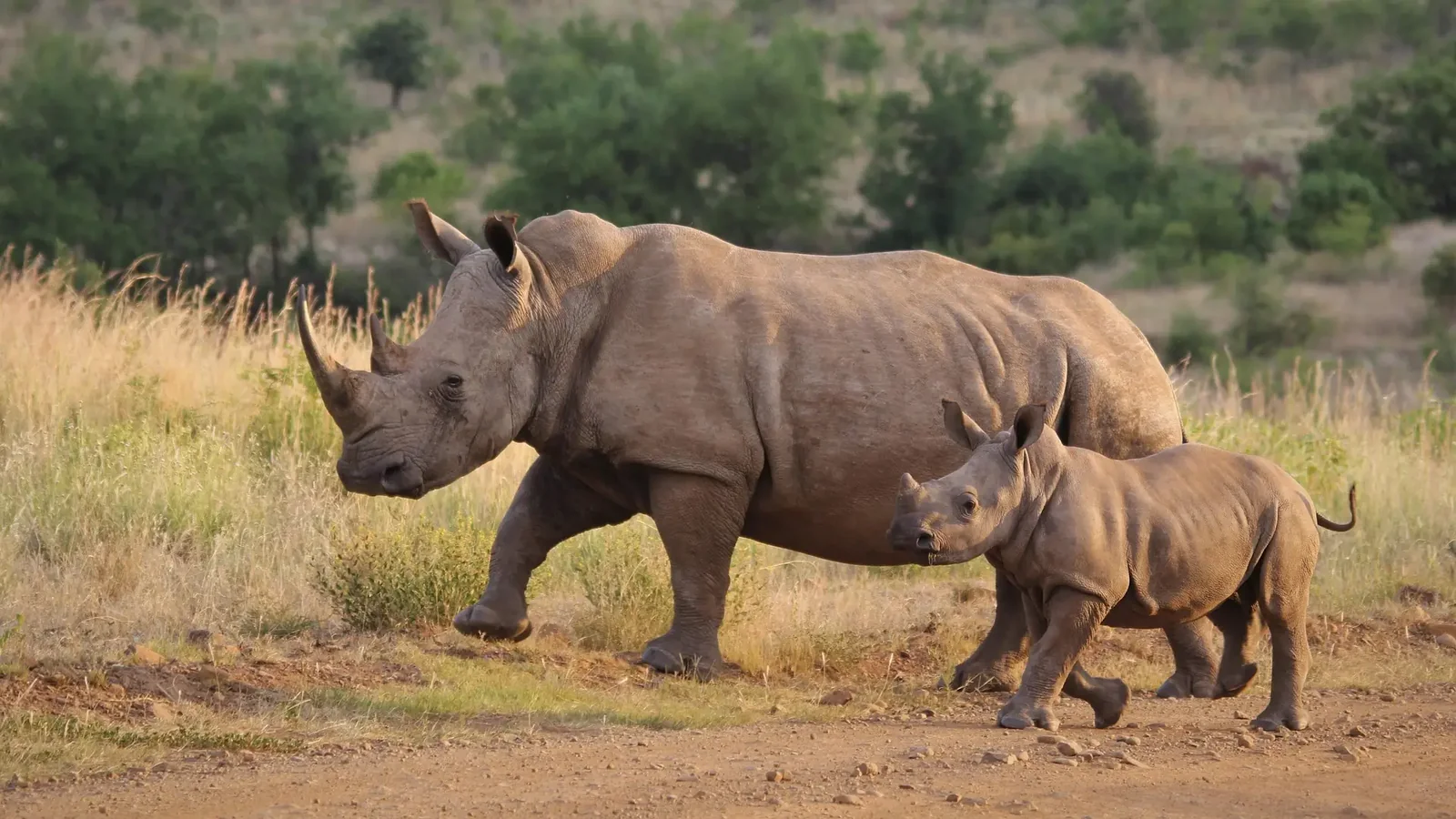
Photo: Nel_Botha / Pixabay
Africa has two rhino species, black and white. Both were hunted to the edge of extinction for their horns.
There are now about 15,750 white rhinos and 6,790 black rhinos, according to the IUCN rhino specialist groups. Black rhinos are slowly increasing again.
Namibia is a black rhino stronghold. The floodlit Okaukuejo waterhole in Etosha National Park is famous for rhinos coming to drink after dark.
LIVEWatch live →LIVEWatch live →Great Migration
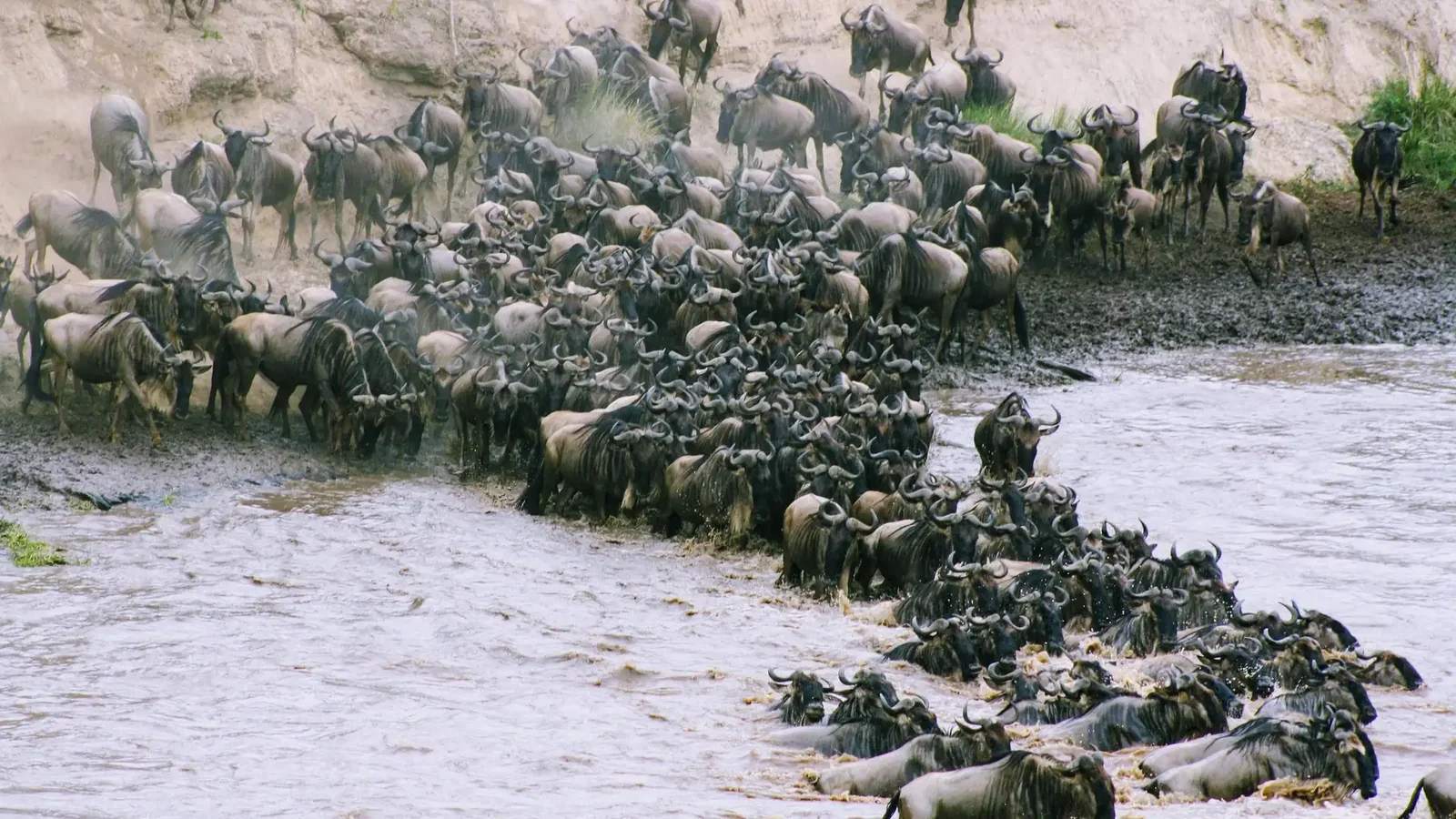
Photo: lesjbohlen / Pixabay
It isn’t one of the Big Five, but it’s the biggest wildlife show on Earth.
Up to 1.3 million wildebeest, plus hundreds of thousands of zebra and gazelles, circle between Tanzania’s Serengeti and Kenya’s Maasai Mara every year, according to National Geographic.
The herds typically reach the Mara between July and August. Crocodiles wait for them at the river crossings.
LIVEWatch live →LIVEWatch live →How to Watch
Photo: kolibri5 / Pixabay
Go by local time. South Africa, Botswana, Namibia and Zimbabwe are at UTC+2. Kenya and Tanzania are at UTC+3. Dawn and dusk there are the busiest times at the waterholes.
Watch in the dry season. In southern Africa that’s roughly May to October. With less water around, animals have to come to the waterholes.
Stay up late. Floodlit cams like Okaukuejo come alive at night, when rhinos, lions and hyenas come to drink.
Be patient. A quiet waterhole can fill with elephants in minutes. Leave a cam running in the background and check back.
Browse every safari cam in one place: Safari & Waterholes.
 Take Me Anywhere
Sources 8 sources
- Wikipedia - Big Five game
- KAZA TFCA - 2022 Elephant Survey fact sheet
- Wikipedia - Hwange National Park
- Wikipedia - Sabi Sand Game Reserve
- Wikipedia - Mana Pools National Park
- International Rhino Foundation - Global rhino population estimates (IUCN SSC Rhino Specialist Groups), 2025
- Wikipedia - Etosha National Park
- National Geographic - The Great Migration