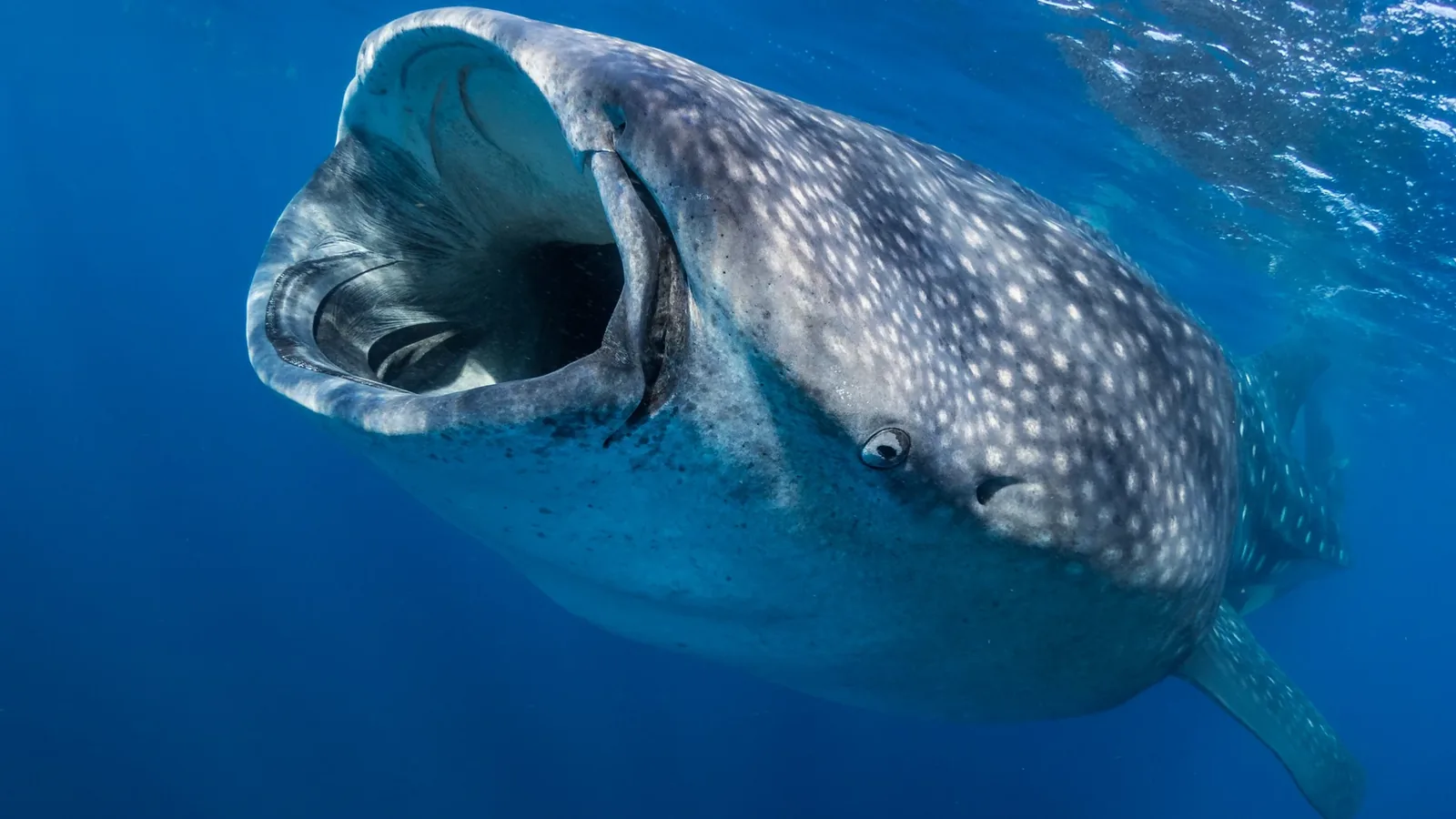
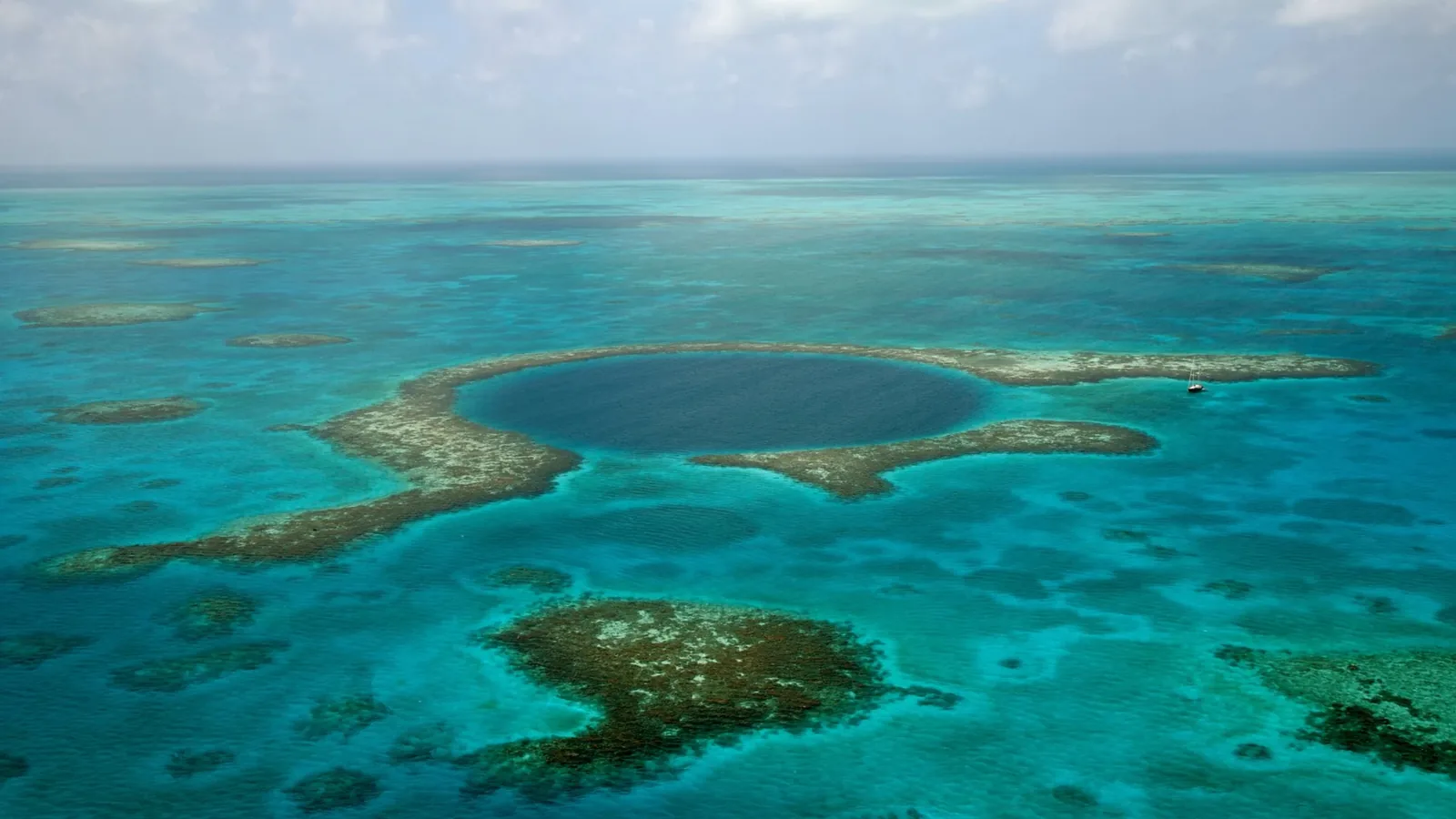
The ocean covers most of our planet, yet most of it has never been viewed by human eyes. About 71% of Earth’s surface is underwater.
So how much do we really know? Here’s what “explored” actually means, why the deep sea is so hard to reach, and what scientists are still finding. You can even peek beneath the waves on our live underwater cams.
How Much of the Ocean Has Been Explored?
It depends on what you count. If you mean mapped in detail, about 28.7% of the seafloor had been mapped with modern sonar by April 2026, according to the Seabed 2030 project. If you mean actually seen with cameras or people, it’s far less.
A 2025 study looked at about 44,000 deep-sea dives going back to 1958. It estimated that humans have seen less than 0.001% of the deep seafloor, which the study counts as anything deeper than about 656 feet (200 m). That’s an area roughly the size of Rhode Island, out of a seafloor bigger than all the land on Earth.
You might have seen a claim that “80% of the ocean is unexplored.” That older line mixes different things together, like mapping and seeing, so it isn’t a precise measurement.
What’s the Difference Between Mapping and Exploring?
Mapping shows the shape of the seafloor. Exploring builds on that with observations, measurements and samples.
Ships map the seafloor using sonar. They send sound pulses down and time how long the echoes take to bounce back, which shows how deep the water is. Satellites have also given us a rough map of the whole seafloor, which is why you can see it on Google Maps. But that map is blurry, so whole underwater mountains and shipwrecks can be missed.
Exploring means sending cameras, robots or people down to see what’s there, and sometimes collecting rocks or animals to study. As NOAA puts it, we can’t say we’ve explored the seafloor until we’ve seen it.
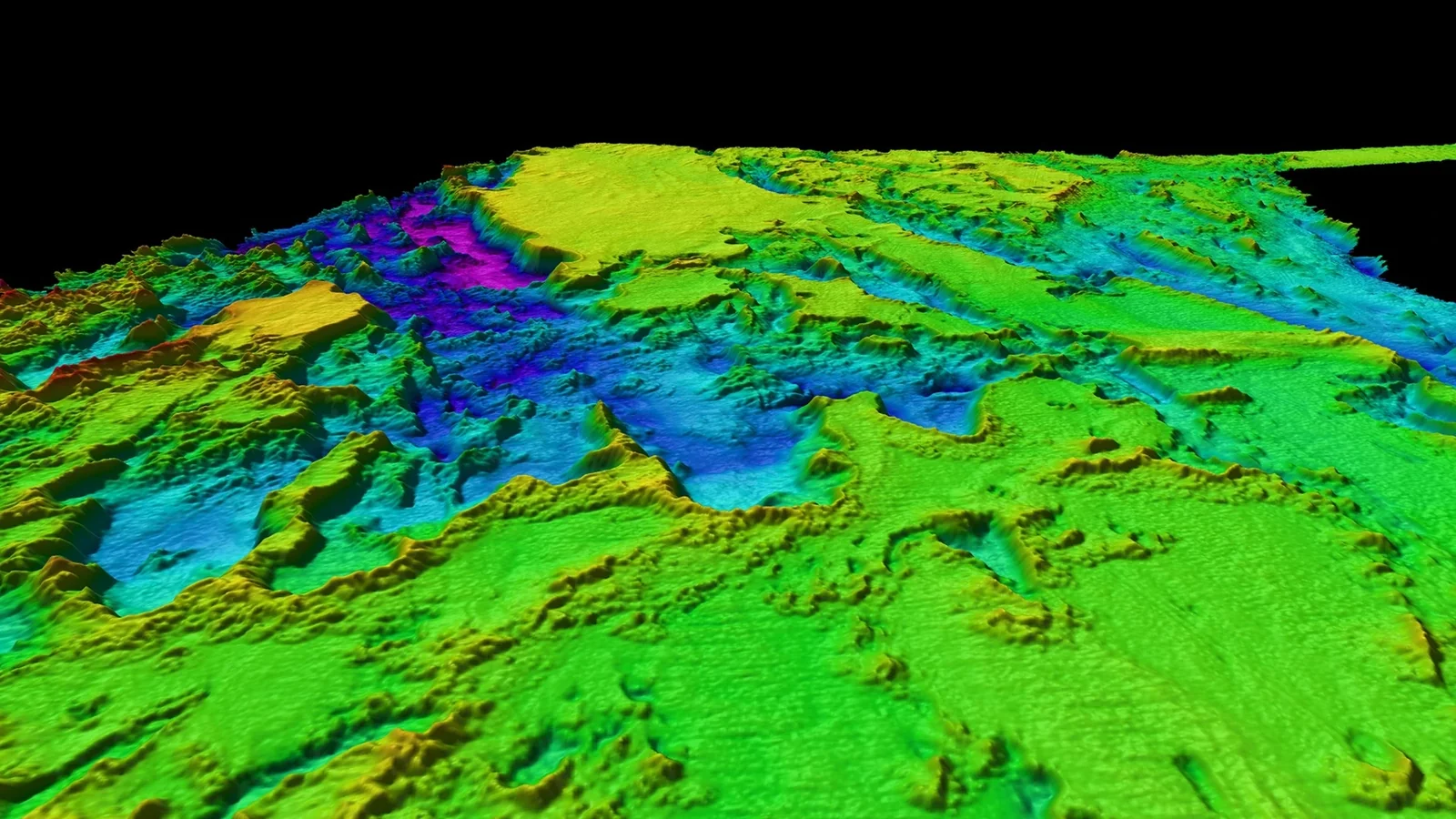
Photo: NOAA Ocean Exploration
Why Is the Ocean So Hard to Explore?
Because the deep sea is dark, cold and under enormous pressure.
Darkness: There’s rarely much sunlight below about 656 feet (200 m), and below about 3,300 feet (1,000 m) no sunlight reaches at all. Explorers have to bring their own lights.
Pressure: The deeper you go, the more water pushes down on you. At the bottom of the deepest trench, the pressure is more than 1,000 times what we feel at sea level. Robots and submarines need extremely strong hulls to survive.
Size and cost: The ocean is huge, and deep-sea ships and robots are expensive to run. In the 2025 study, most recorded seafloor observations came from near the United States, Japan and New Zealand, leaving huge areas barely studied.
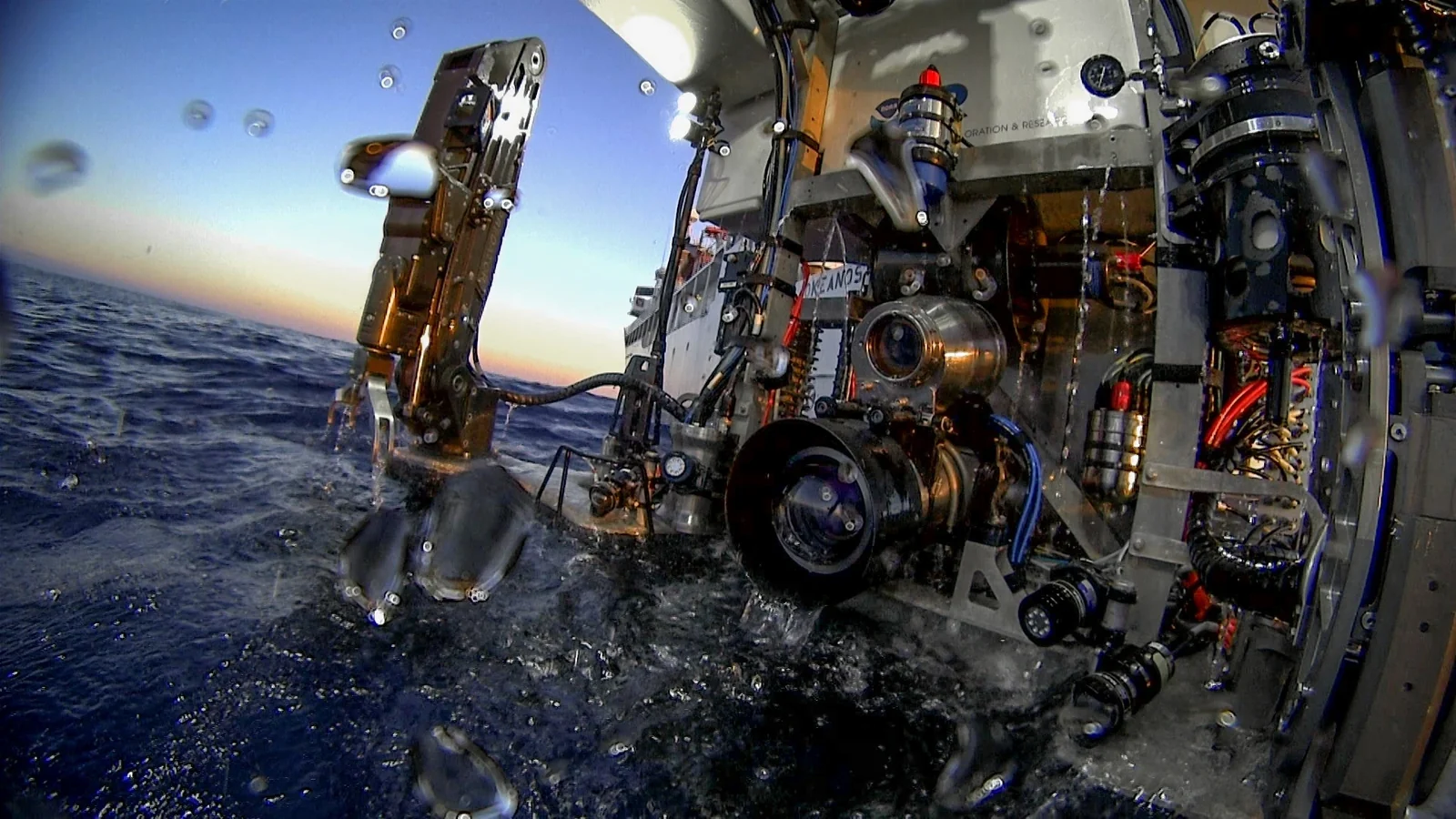
Photo: NOAA Ocean Exploration
How Deep Is the Ocean?
On average, about 12,100 feet (3,700 m). That’s more than two miles straight down.
Much of the deep seafloor is made of wide, flat plains far below the surface. Mountains, valleys and deep trenches rise and fall across it. For a trip through each layer and the animals that live there, see what lives at every depth of the ocean.
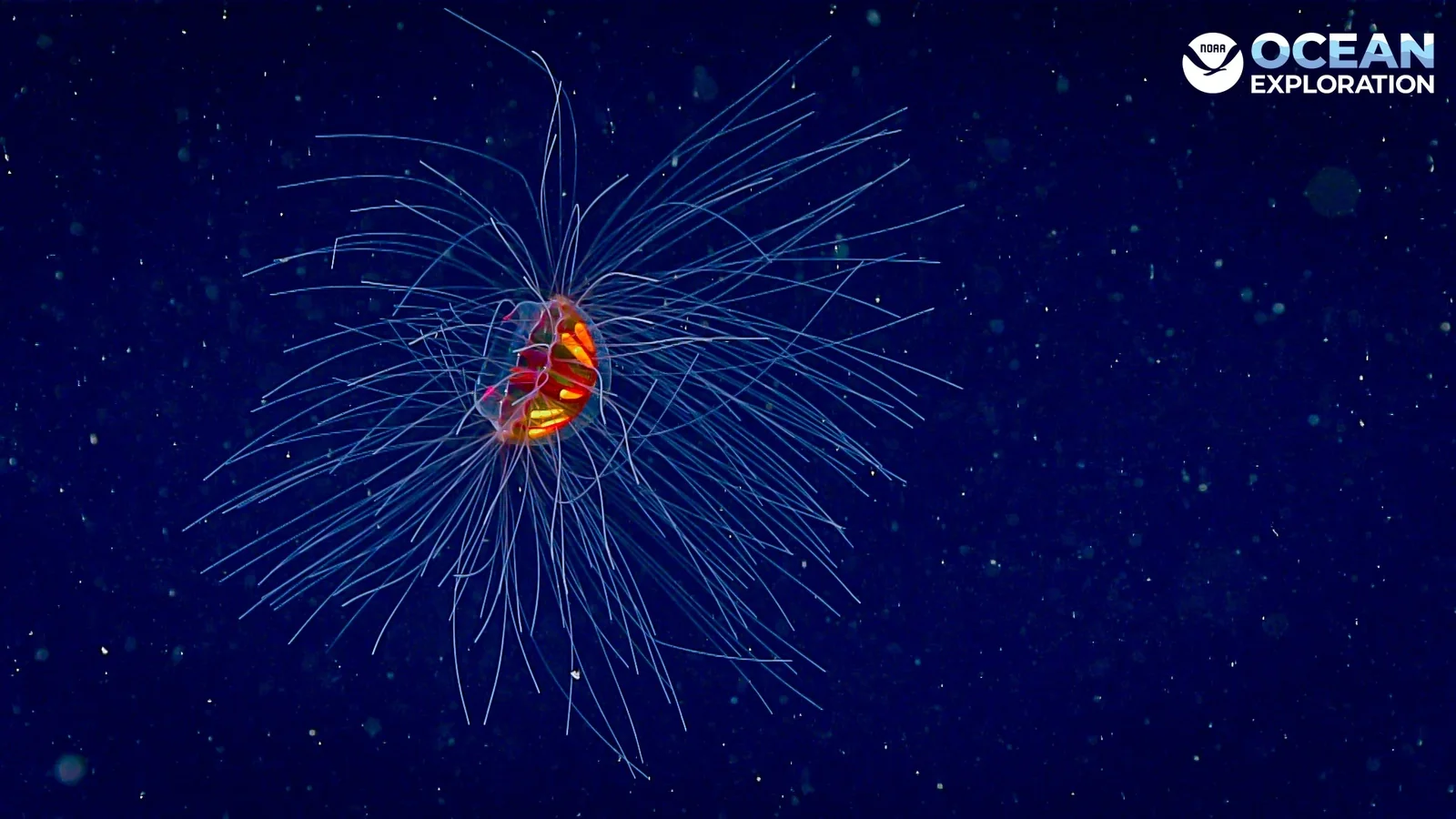
Photo: NOAA Ocean Exploration
What Is the Deepest Part of the Ocean?
The Challenger Deep, at the bottom of the Mariana Trench in the western Pacific Ocean. It’s about 35,900 feet (10,900 m) deep. Measurements vary a little, because it’s so hard to measure that far down.
That’s about 7,000 feet (2,100 m) deeper than Mount Everest is tall. If you dropped Everest into the trench, its peak would still be more than a mile underwater.
Only a small number of people have ever been there. Don Walsh and Jacques Piccard first reached the bottom in 1960, and filmmaker James Cameron made the first solo dive in 2012.

Photo: Steve Nicklas, NOS, NGS / Wikimedia Commons, public domain
Why Did NASA Stop Exploring the Ocean?
It didn’t. NASA still studies the ocean; it just isn’t the main US ocean-exploration agency. That job mostly belongs to NOAA.
NASA watches the ocean from space. Satellites like SWOT, launched in 2022, measure the height of the sea surface, and PACE, launched in 2024, tracks tiny drifting organisms called phytoplankton, which use sunlight to make food.
NASA has gone underwater too. In its SUBSEA project, NASA scientists teamed up with NOAA and others to explore an underwater volcano off Hawaii, practicing how we might one day search for life in the hidden oceans of moons like Saturn’s Enceladus.
What Are Scientists Still Discovering?
New animals, all the time. In May 2026, the Ocean Census project announced 1,121 potentially new marine species identified in a single year, including a ghost shark from Australia’s Coral Sea.
Not every strange animal filmed on a dive is a confirmed new species, though. Scientists usually need to study it carefully and publish a formal description, which has historically taken more than 13 years on average.
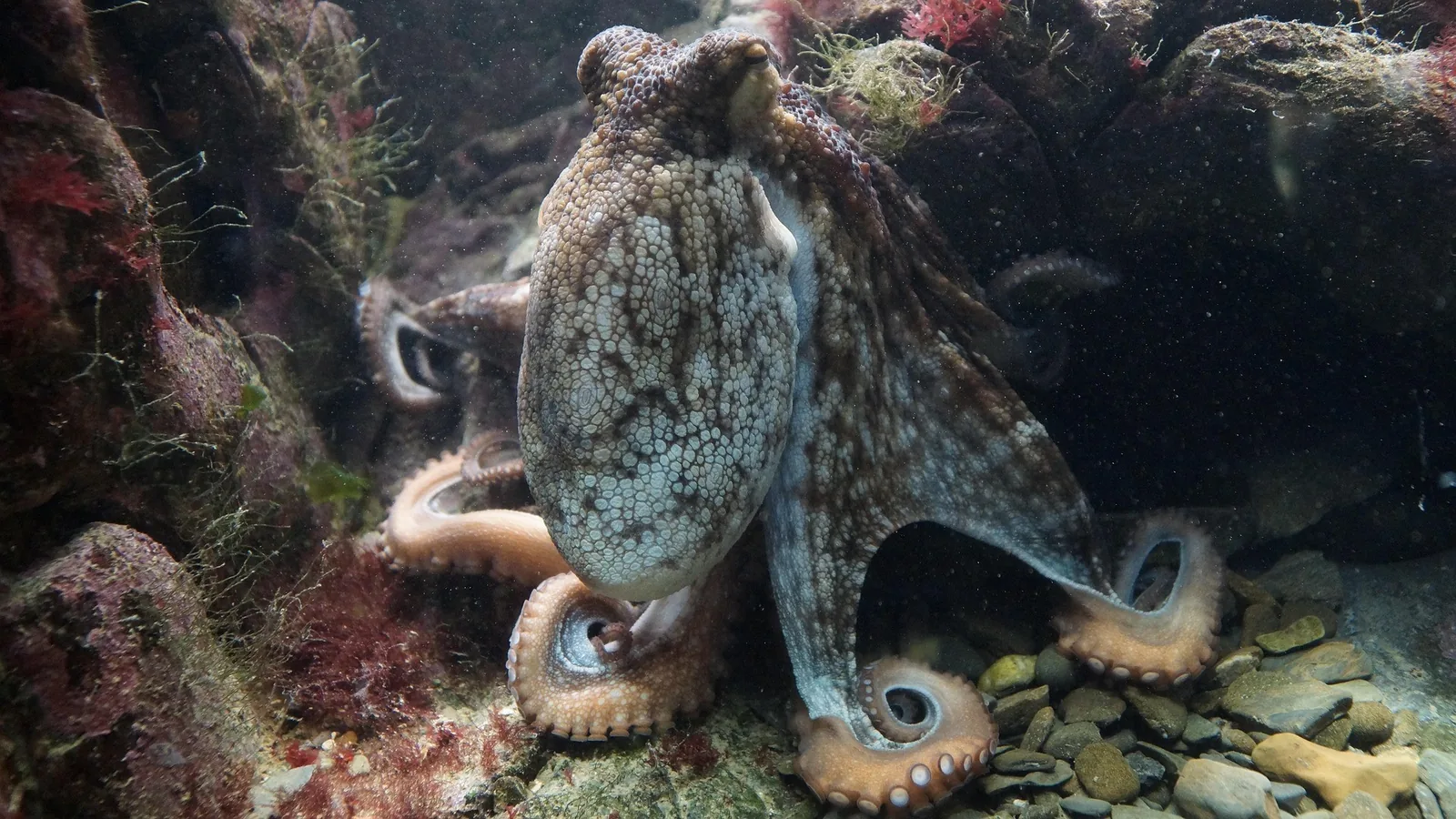
Deep-sea animals can be wonderfully weird. Meet some of them in our 27 weirdest and ugliest animals, or find out how many hearts an octopus has.
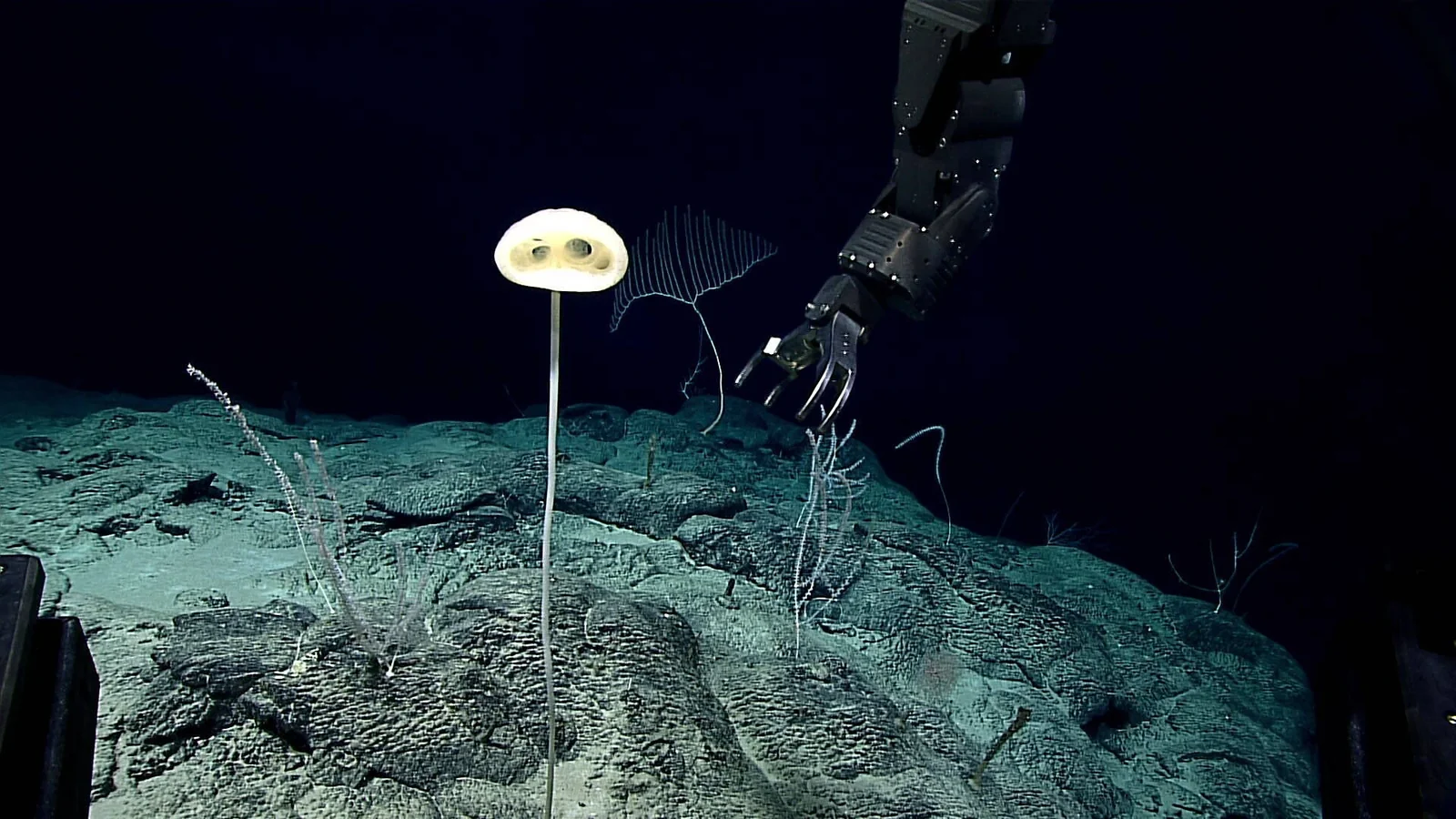
Photo: NOAA Ocean Exploration
Watch the Ocean Live
You don’t need to visit the deep sea to watch ocean life right now. Explore kelp forests, coral reefs and jellyfish on our live cams, or browse all our zoo and aquarium cams.
LIVEWatch live →LIVEWatch live →LIVEWatch live → Take Me Anywhere
Sources 10
- IHO (2026) - Global seabed mapping reaches new milestone
- NOAA Ocean Exploration - How much of the ocean has been explored?
- EurekAlert! (2025) - Only 0.001% of the deep seafloor visually observed
- Bell et al. (2025) - How little we’ve seen: A visual coverage estimate of the deep seafloor, Science Advances
- NOAA Ocean Service - How far does light travel in the ocean?
- NOAA Ocean Exploration - How deep is the ocean?
- Live Science - How deep is the Mariana Trench?
- NASA - SUBSEA research overview
- NASA JPL (2024) - PACE and SWOT satellites offer combined look at ocean
- Ocean News (2026) - Scientists discover over 1,100 new marine species
Editor’s note
The 28.7% and 0.001% figures measure different things: the first covers all of the seafloor mapped in high detail, and the second covers only the deep seafloor that has been seen with cameras or people. Depths are rounded, because different surveys give slightly different measurements. The 1,121 species announced by the Ocean Census are potentially new, and many are still waiting for formal descriptions.
How we researched this article
We picked the questions people search for most about ocean exploration, then checked each answer against government science agencies such as NOAA and NASA, the International Hydrographic Organization, peer-reviewed research including the 2025 Science Advances study on deep-sea observations, and science news outlets. Photos come from Wikimedia Commons and NOAA Ocean Exploration, credited under each image.