Seven continents. Seven cameras. One planet that never stops moving. Right now, somewhere on Earth, a bear is fishing, a hummingbird is feeding and the sky is turning green, and you can watch all of it from wherever you’re sitting.
We picked one wild live cam on every continent, plus a bonus view from space. Here’s where to look and when to tune in.
North America: Brown Bears at Brooks Falls, Alaska
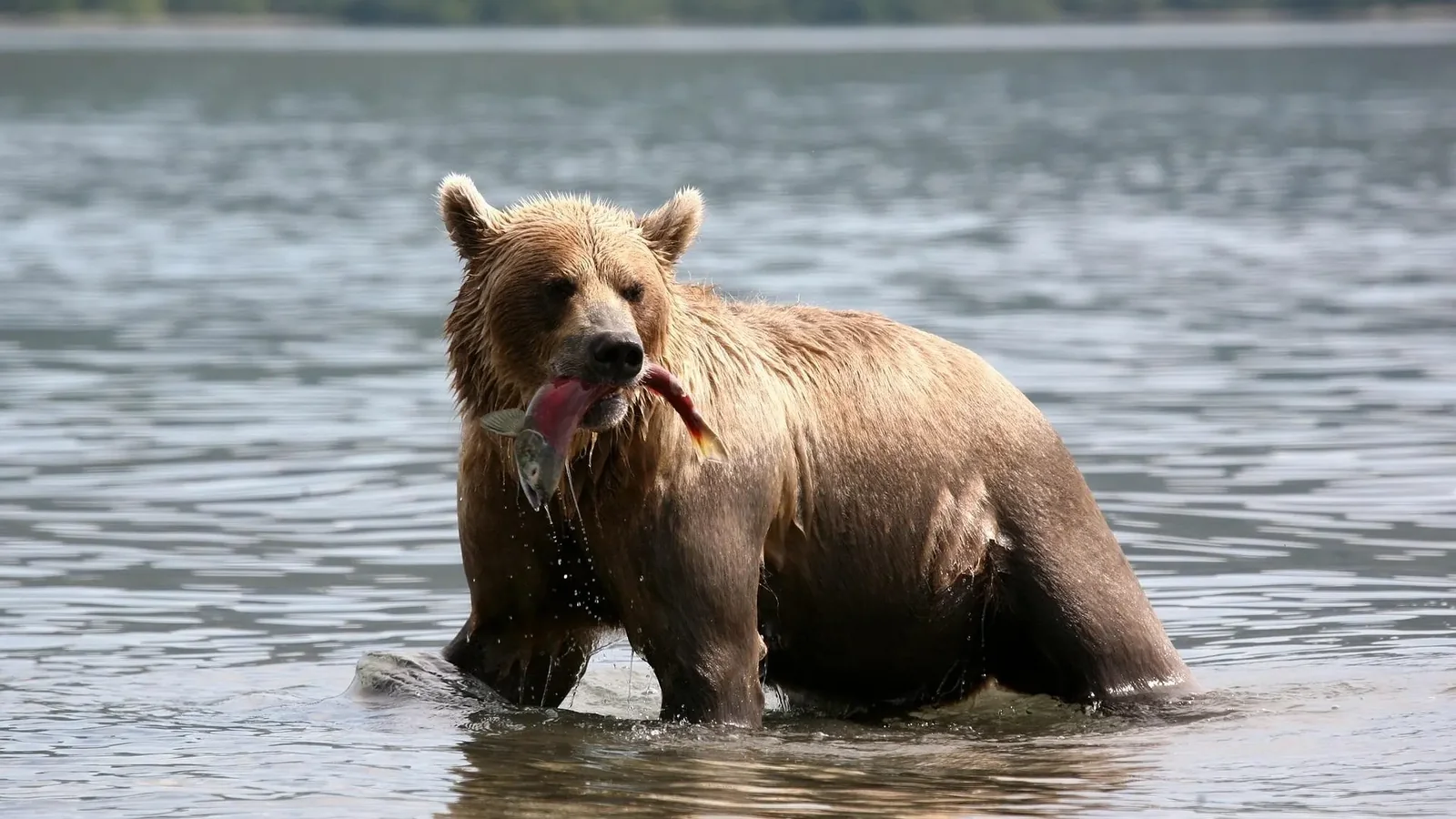
Photo: Natalia_Kollegova / Pixabay
Brooks Falls in Alaska’s Katmai National Park is only about 6 feet (1.8 m) high, but it’s one of the most famous spots in the wildlife world.
Every summer, salmon leap the falls on their way upriver. In July, dozens of brown bears can gather around Brooks Falls, competing for the best fishing spots as sockeye salmon make their way upstream.
This is also home to Fat Bear Week, the online contest where fans vote for the bear that fattened up best before winter.
When to watch: July for bears at the falls, Aug to Sep at the river mouth.
LIVEWatch live →LIVEWatch live →South America: Hummingbirds in Peru's Sacred Valley
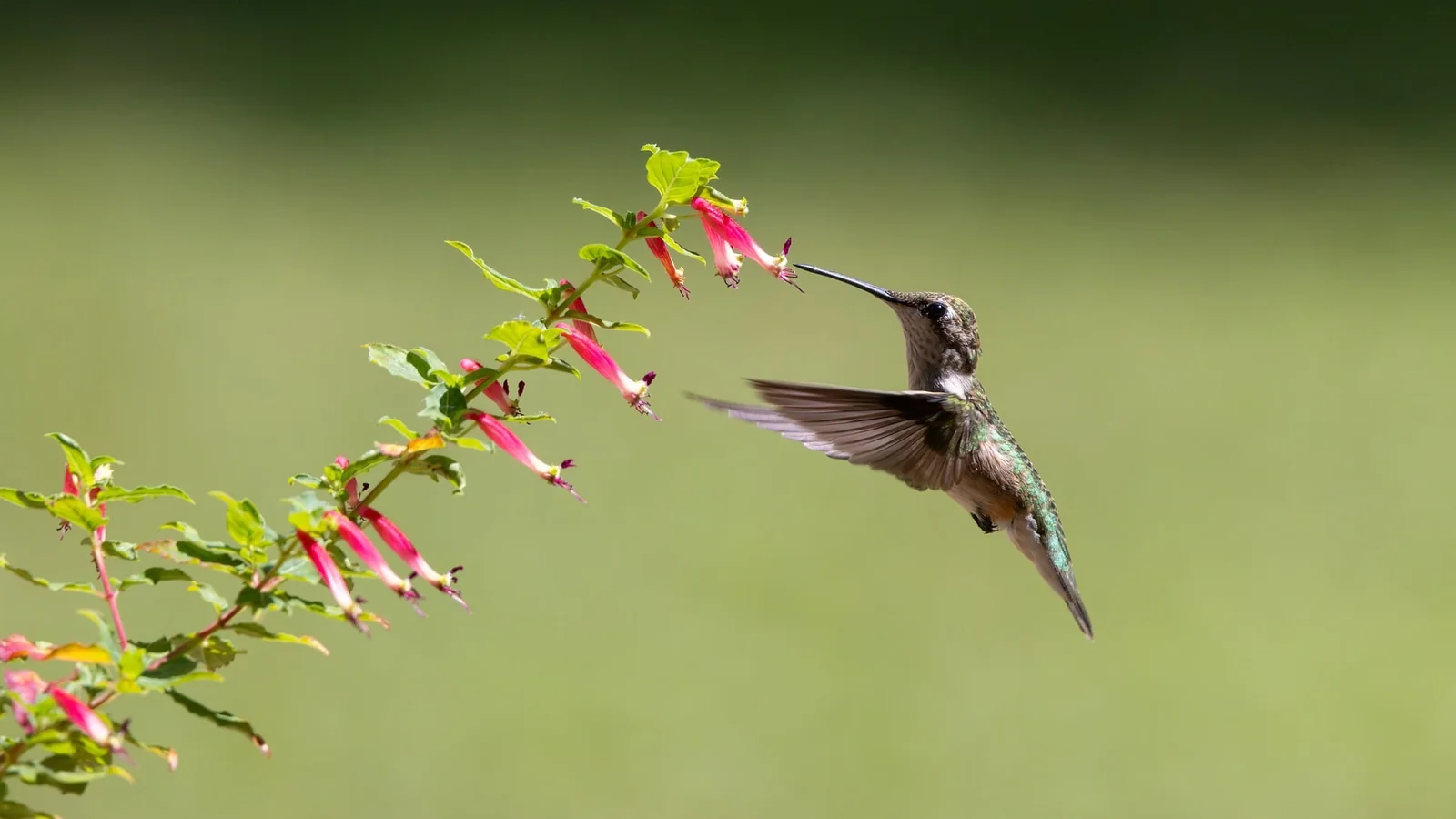
Photo: Trek_Jason / Pixabay
High in the Andes, about 1.5 hours’ drive from Cusco, a family-run hummingbird sanctuary in Urubamba streams its feeders live.
The sanctuary is named after the sword-billed hummingbird, the only bird with a bill longer than its body, not counting its tail. Giant hummingbirds, violetears and sunbeams visit too.
Peru has more than 120 hummingbird species, according to Hummingbird Spot, which runs the cam.
When to watch: Daylight hours in Peru (UTC-5).
LIVEWatch live →Antarctica: The Webcams at the Bottom of the World
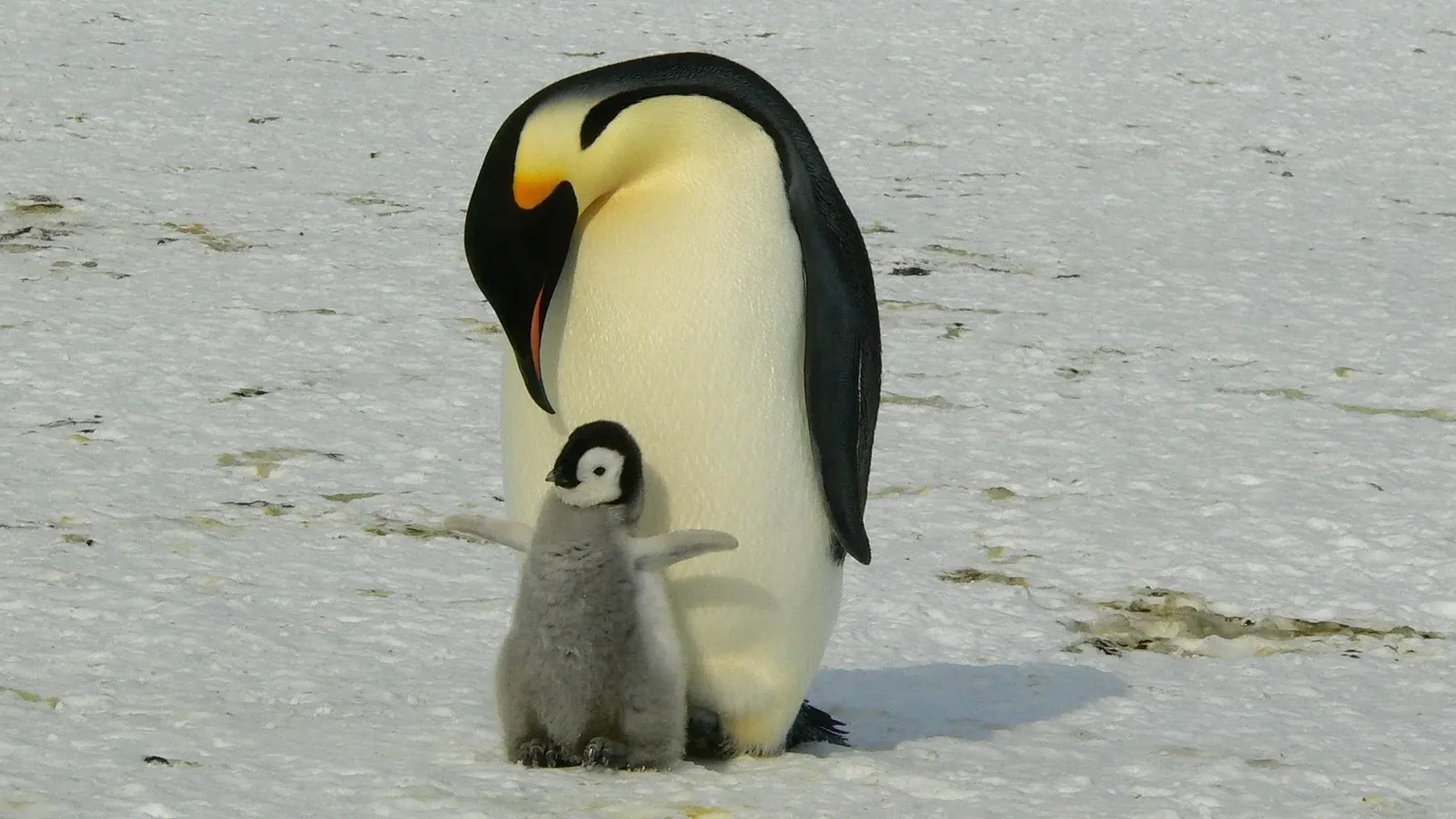
Photo: MemoryCatcher / Pixabay
We don’t currently have a live video stream from Antarctica in our directory. But you can still look at it every day.
The Australian Antarctic Division runs webcams at Casey, Davis and Mawson stations, posting fresh pictures of the ice, the sea and the station buildings.
At the very bottom of the planet, a NOAA camera photographs the Amundsen-Scott South Pole Station whenever a satellite is overhead to send the picture out.
Read more about these cameras in 5 of the Loneliest Live Webcams on Earth.
Our closest live wildlife cam to Antarctica is in New Zealand. At Taiaroa Head, near Dunedin, royal albatrosses nest on the only mainland albatross colony in the Southern Hemisphere, then head out to feed over the Southern Ocean.
When to watch: Any time, however the long summer days (Nov to Feb) give the best light.
LIVEWatch live →Africa: A Desert Waterhole in Namibia
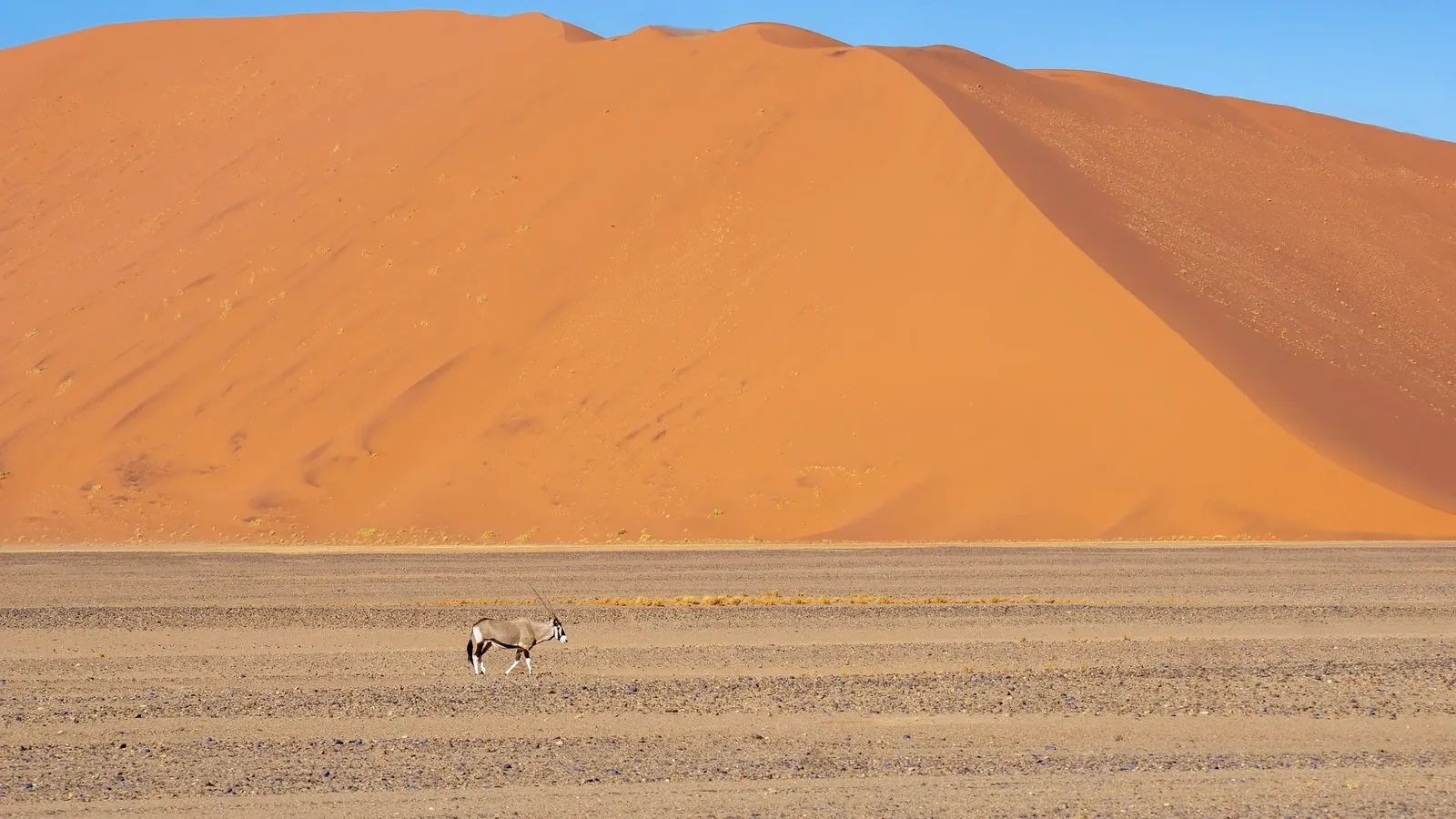
Photo: Jürgen_Bierlein / Pixabay
In the middle of the Namib, one of the oldest deserts on Earth, a single waterhole is a lifeline.
The NamibiaCam in Gondwana Namib Park has been streaming since 2006, according to Gondwana Collection.
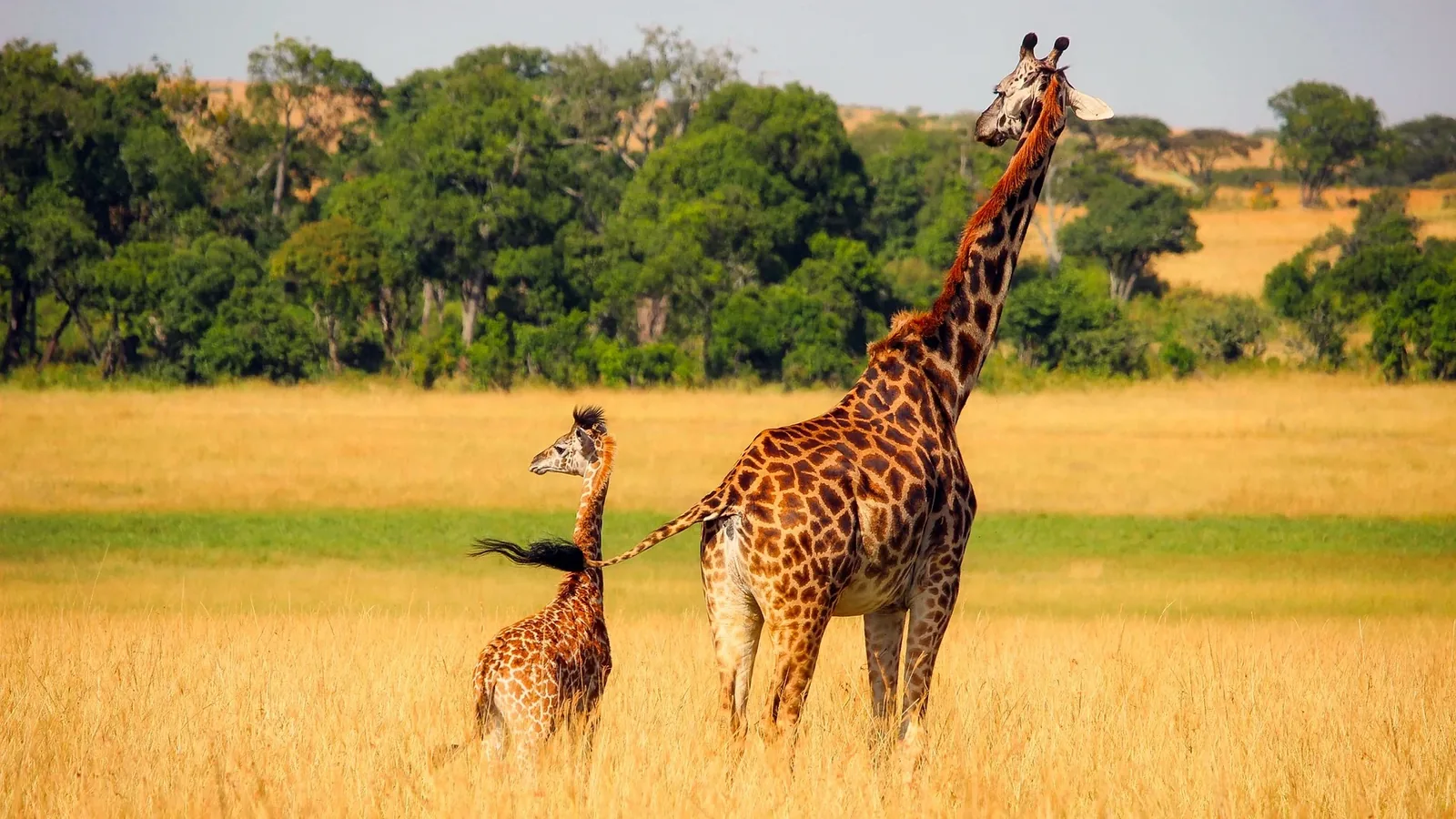
This is desert country, so expect oryx, springbok and ostriches rather than lions. For elephants and rhinos, the same team also streams the Okaukuejo waterhole in Etosha National Park.
For the Big Five, see Sofa Safari: Watch Africa’s Big Five Live.
When to watch: Dawn and dusk in Namibia (UTC+2).
LIVEWatch live →LIVEWatch live →Europe: The Northern Lights in Finnish Lapland
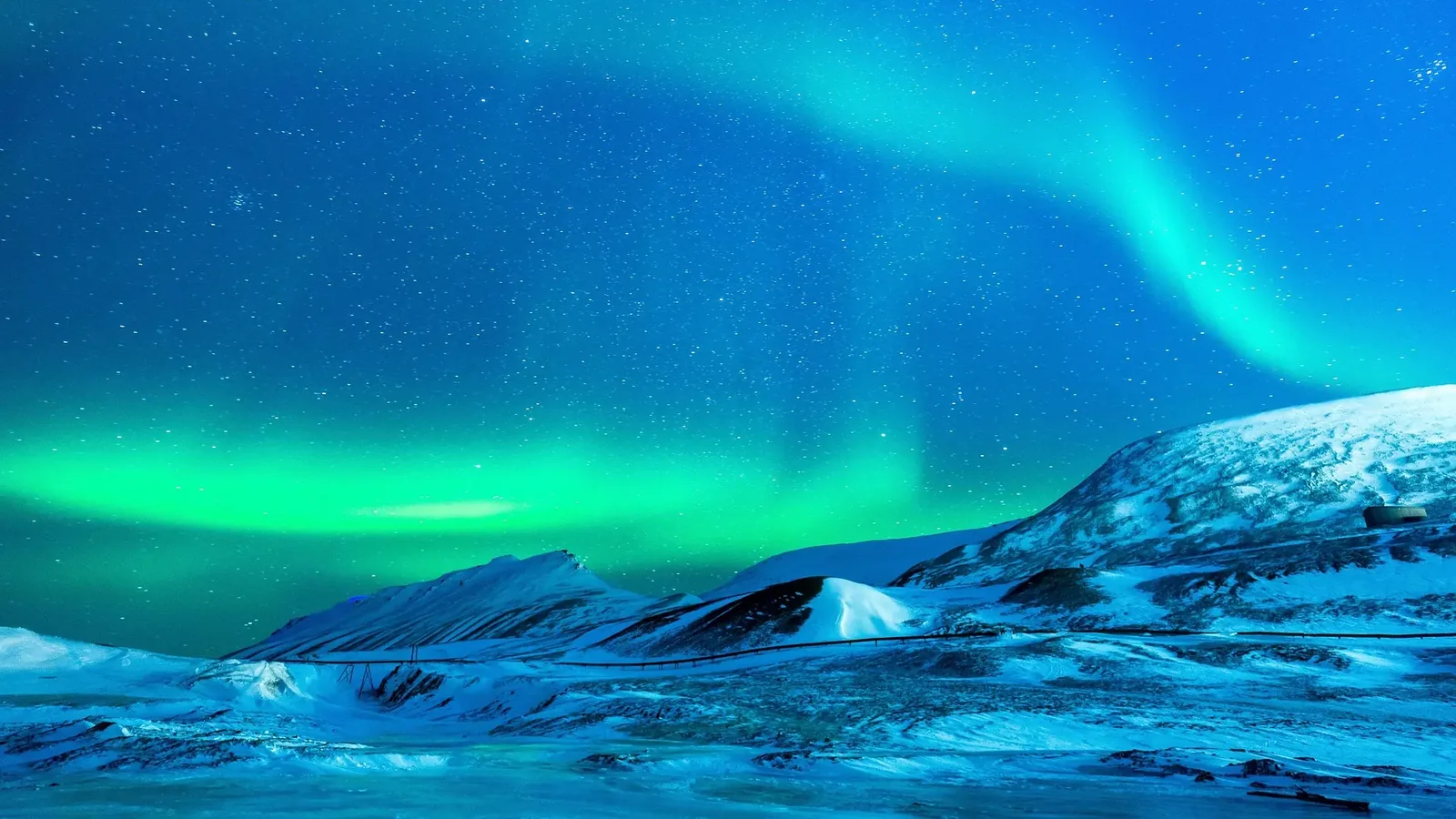
Photo: Noel_Bauza / Pixabay
Kilpisjärvi sits in the far northwest of Finland, close to the borders with Sweden and Norway.
It’s one of the best places in Europe to see the aurora. The Finnish Meteorological Institute says auroras appear on about 3 out of 4 dark, clear nights there.
When to watch: After dark, late August to April. Summer nights are too light.
LIVEWatch live →LIVEWatch live →Asia: Wild Macaques on Awaji Island, Japan
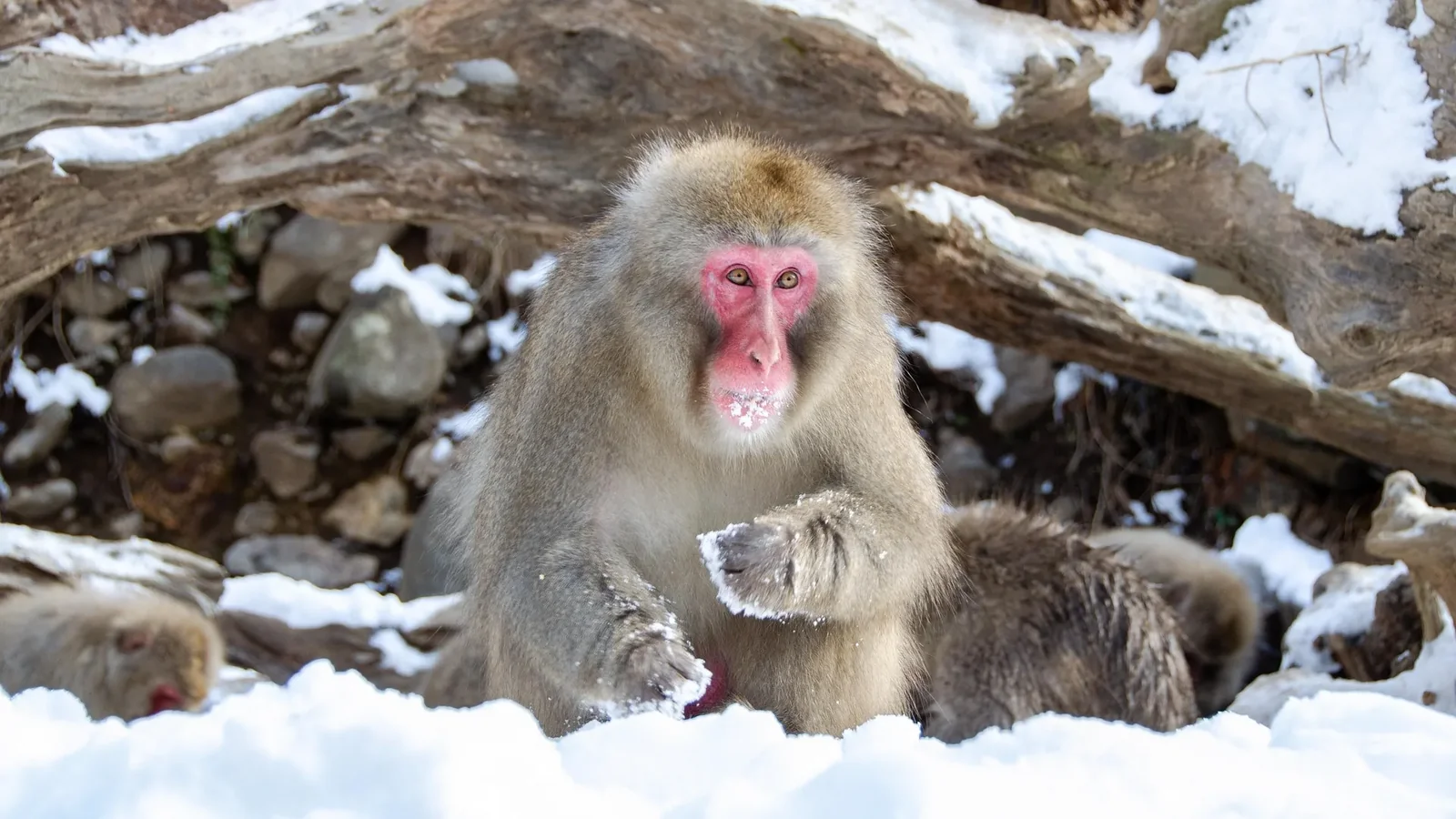
Photo: pen_ash / Pixabay
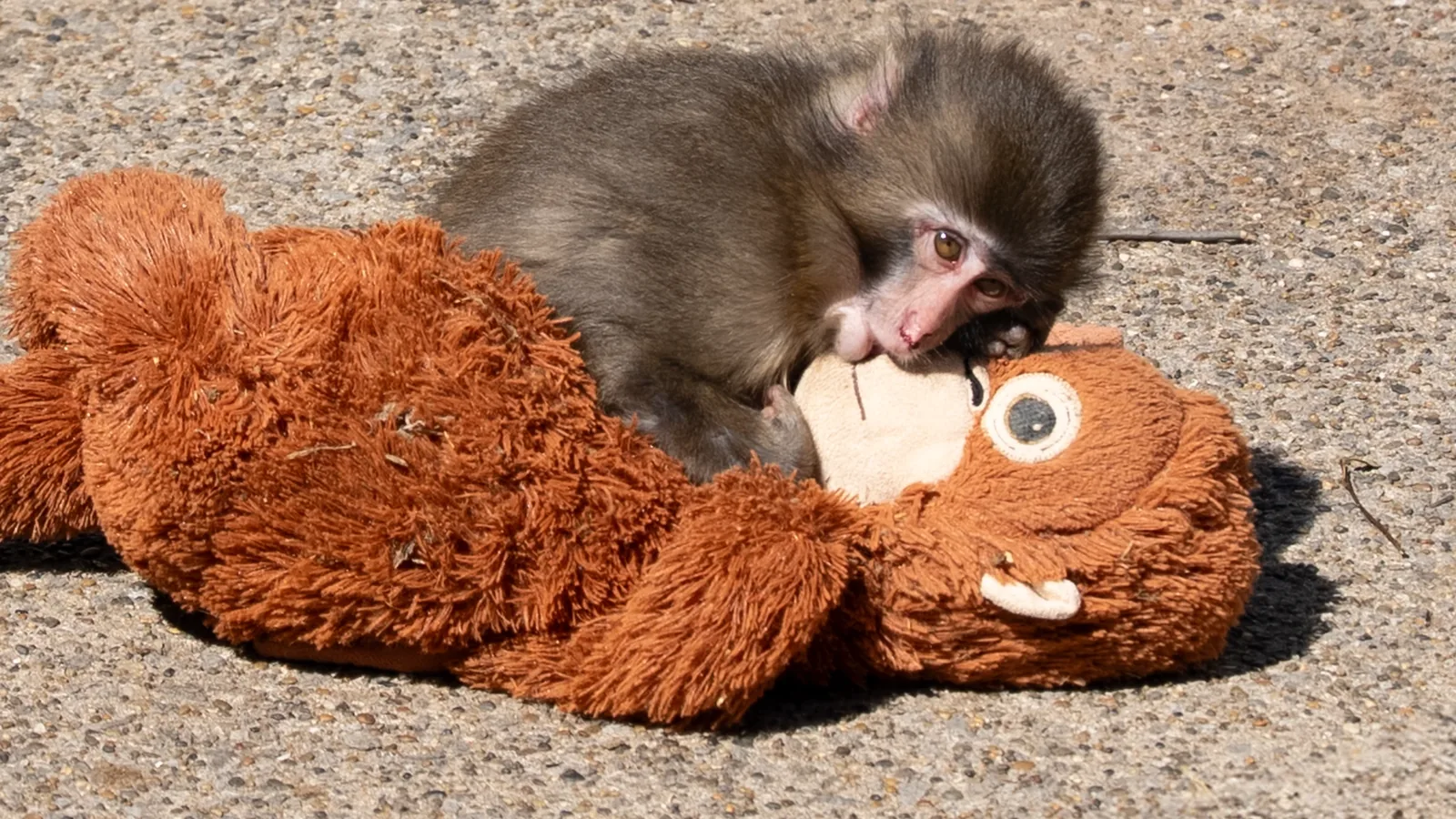
On Awaji Island in western Japan, a troop of wild Japanese macaques comes down from the hills to the Awaji Island Monkey Centre, according to Hyogo Tourism.
They aren’t in enclosures. You’ll see grooming, squabbles over food and babies clinging to their mothers. Not every baby macaque has a mother to cling to, though. Punch the monkey went viral after he was raised with a stuffed toy instead.
From September to December the troop often retreats into the mountains, so the cam can be quiet, according to the Awaji Island visitor guide.
When to watch: Daytime in Japan (UTC+9), overnight in Europe and the Americas.
LIVEWatch live →LIVEWatch live →Oceania: A Sea-Eagle Nest in Sydney
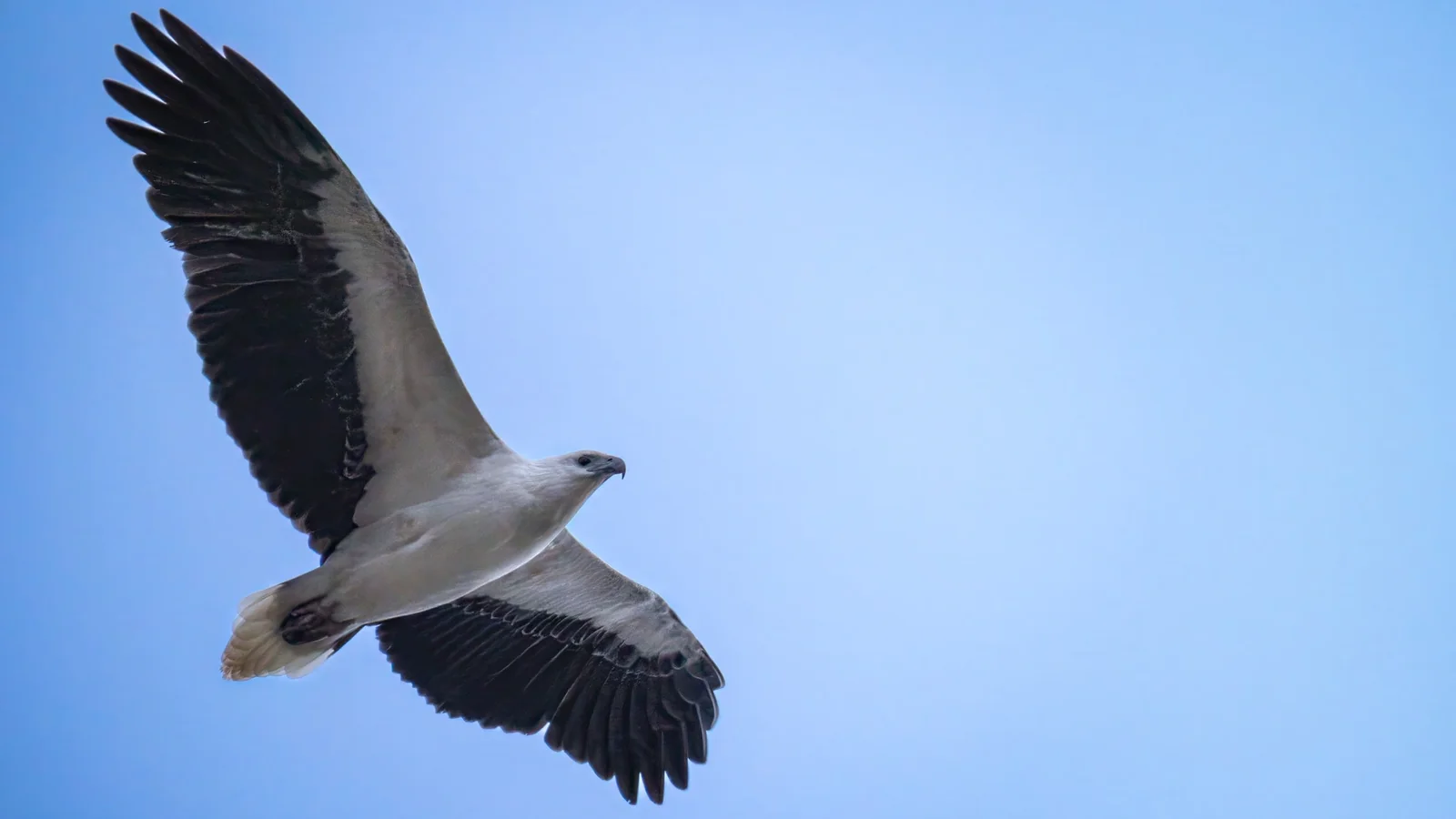
Photo: pen_ash / Pixabay
Most people don’t expect wild eagles in the middle of a big city. But high in a scribbly gum tree in Sydney Olympic Park, a pair of white-bellied sea-eagles has a nest on camera.
BirdLife Australia’s EagleCAM has been watching the nest since 2009.
The outback is here too: a waterhole in Watarrka National Park, home of Kings Canyon, streams from the heart of Australia.
When to watch: Daytime in Sydney (UTC+10, or UTC+11 in summer).
LIVEWatch live →LIVEWatch live →The Whole Planet at Once
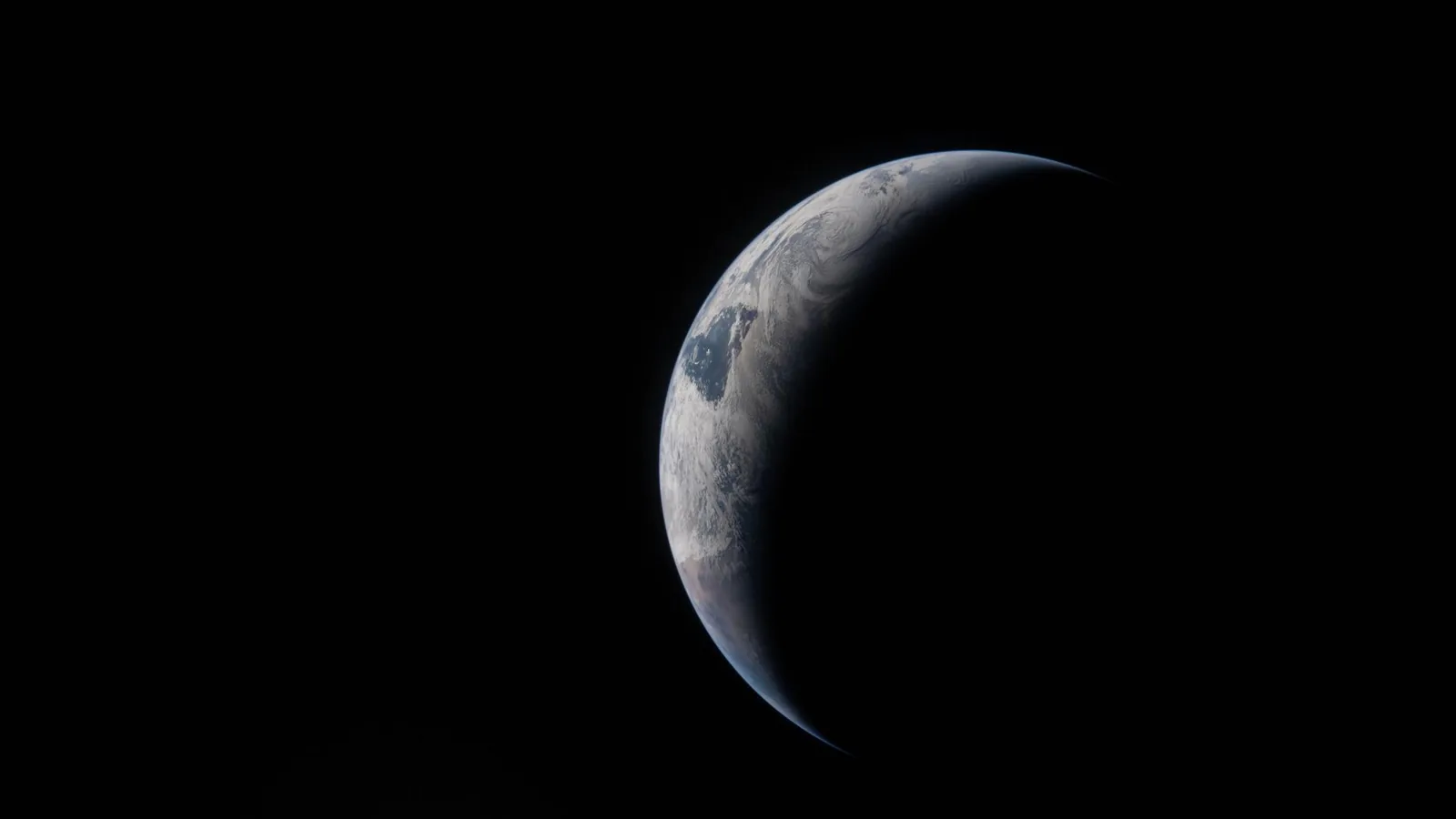
Can’t pick a continent? Watch them all roll past from the International Space Station, about 250 miles (400 km) up. Our Live Space Cams show Earth from orbit, the view ahead of the station and life on board.
Read more in The ISS is Dying: The Final Missions Live & What’s Next.
Or let us choose for you, and hit Take Me Anywhere below.
 Take Me Anywhere
Sources 11 sources
- National Park Service - Katmai National Park and Preserve
- Hummingbird Spot - Live hummingbird cam, Urubamba, Peru
- Guinness World Records - Longest beak in relation to overall body length
- Australian Antarctic Division - Antarctic webcams
- NOAA Global Monitoring Laboratory - South Pole live camera
- New Zealand Department of Conservation - Taiaroa Head Nature Reserve
- Gondwana Collection - NamibiaCam
- Finnish Meteorological Institute - Auroras in Finland
- Hyogo Tourism - Awaji Island Monkey Center
- Awaji Island West Coast - Awaji Island Monkey Center visitor guide
- BirdLife Australia - EagleCAM