Ask which country has the most live nature cameras and you won’t get a straightforward answer. Cameras appear, drift offline, come back under a new operator and quietly die. So this isn’t a count. It’s an editorial ranking.
Six things decide the order: the quality of the feeds, variety across wildlife and landscapes, reliability, uniqueness, year-round availability, and whether ordinary people, not just enthusiasts, will actually sit and watch.
Famous wildlife earns a country nothing here. Having somewhere like the Serengeti doesn’t automatically make a country a great place for live wildlife webcams. That’s the trap this list is built to avoid.
#10 New Zealand
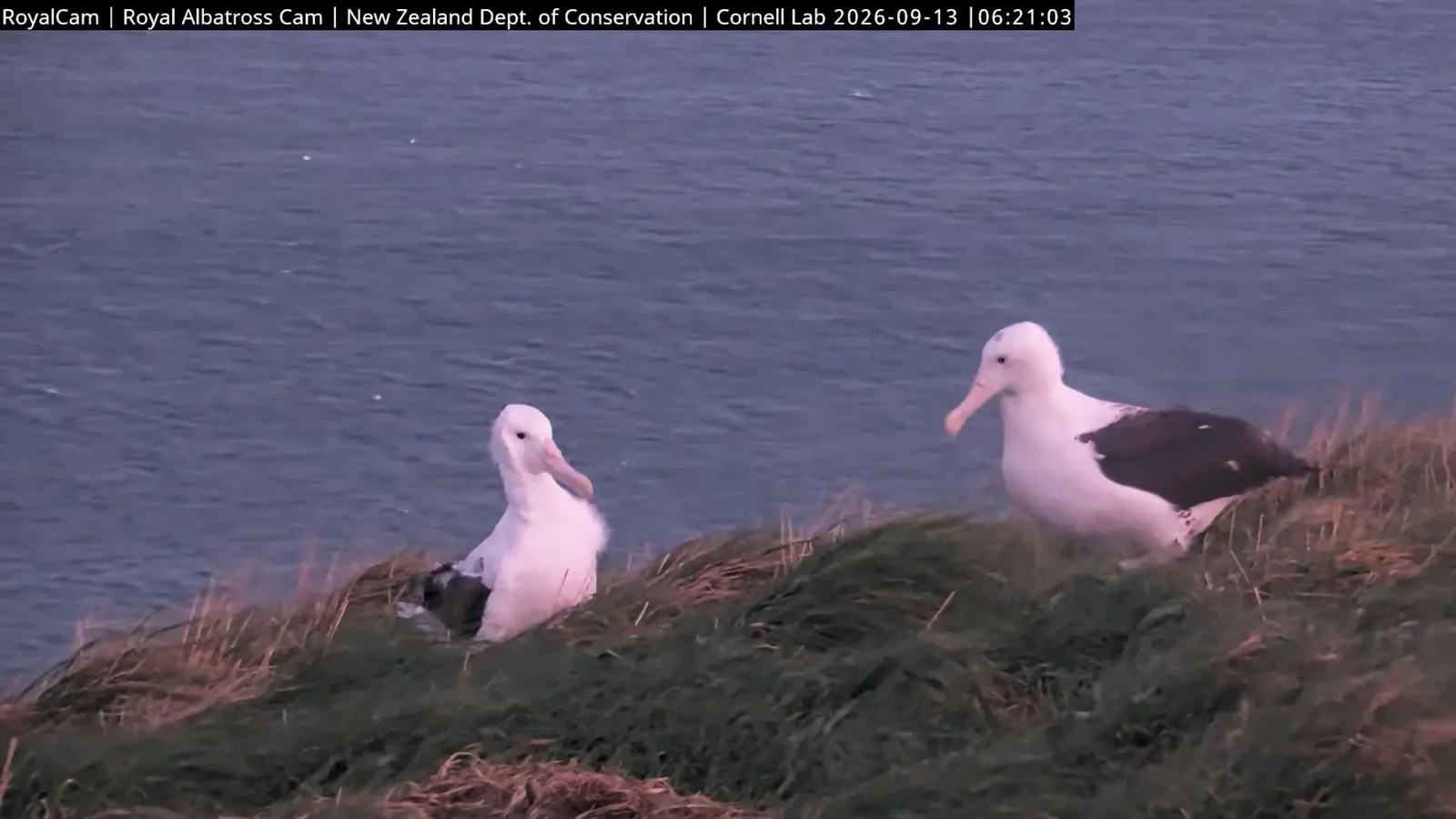
Camera still: Department of Conservation / Cornell Lab of Ornithology
New Zealand makes the list on the strength of one camera, which tells you how good it is. Royal Cam watches a northern royal albatross nest at Taiaroa Head near Dunedin, the world’s only mainland royal albatross breeding colony. The Department of Conservation launched it in 2016, with the Cornell Lab of Ornithology joining in 2019, and it has attracted millions of views.
The 2025/26 chick, Āwheo, hatched on 22 January 2026 and fledged on 4 September. The catch: it centres on one nest, so the viewing changes with the breeding cycle rather than offering the variety of a wider camera network.
LIVEWatch live →#9 Australia
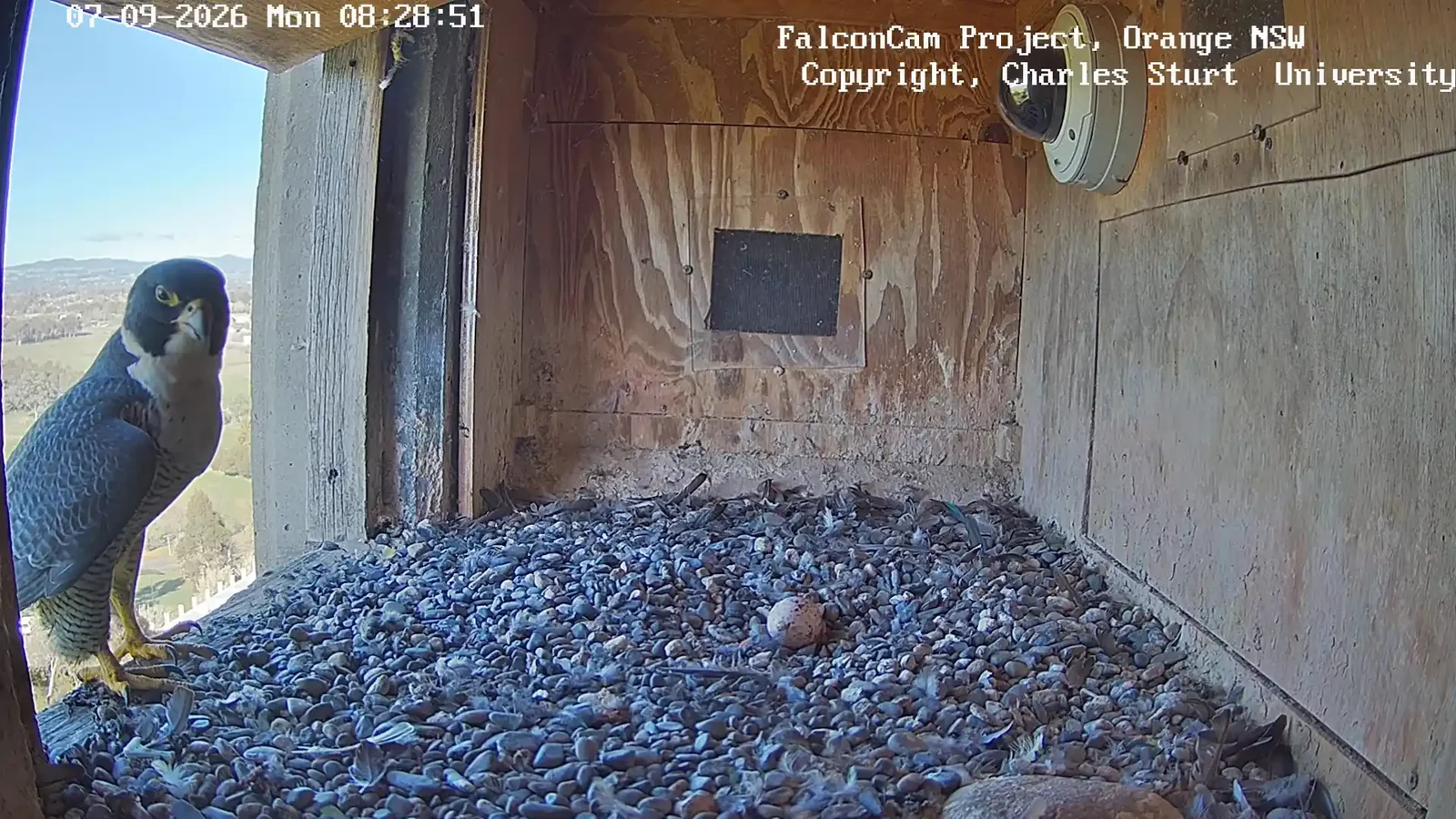
Camera still: Charles Sturt University / FalconCam Project
Australia’s strength is its variety. Peregrine falcons have nested high above 367 Collins Street in Melbourne for more than 30 years, and a second peregrine cam has watched a nest box on a water tower at Charles Sturt University in Orange, NSW, since 2007.
In Sydney, Sea-EagleCAM has followed white-bellied sea-eagles since 2009. It’s run entirely by volunteers on donations, and the 2026 chicks hatched on 13 and 14 August. Add The Nature Conservancy’s Reef Cam in Port Phillip Bay, ospreys, little penguins and zoo feeds, and Australia covers birds, coast, underwater and zoos. The raptor nests are busiest during the breeding season, although adults may visit throughout the year.
LIVEWatch live →LIVEWatch live →LIVEWatch live →#8 Iceland
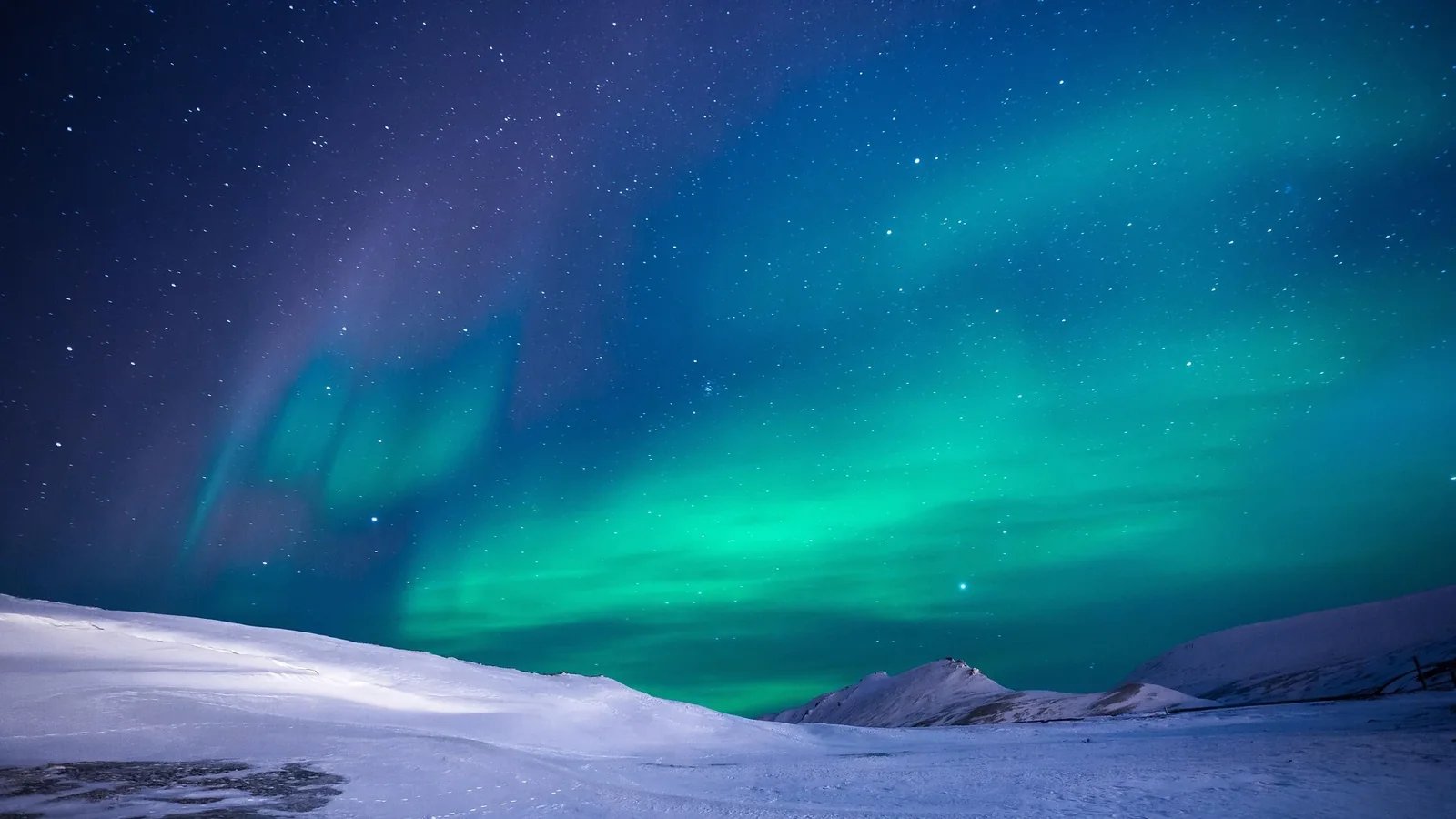
Photo: Noel Bauza / Pixabay
Iceland is here for what the ground is doing. Eruption cams on the Reykjanes peninsula have drawn huge international audiences, and nothing beats watching a fissure open live. Add glaciers, waterfalls and seabird cliffs, and the range is exceptional for a small country.
The catch is the calendar. Puffins are only ashore in the breeding months, and bright summer skies generally prevent northern lights viewing from May until late August. Iceland is event television: when something happens, nowhere else comes close.
LIVEWatch live →LIVEWatch live →#7 Botswana
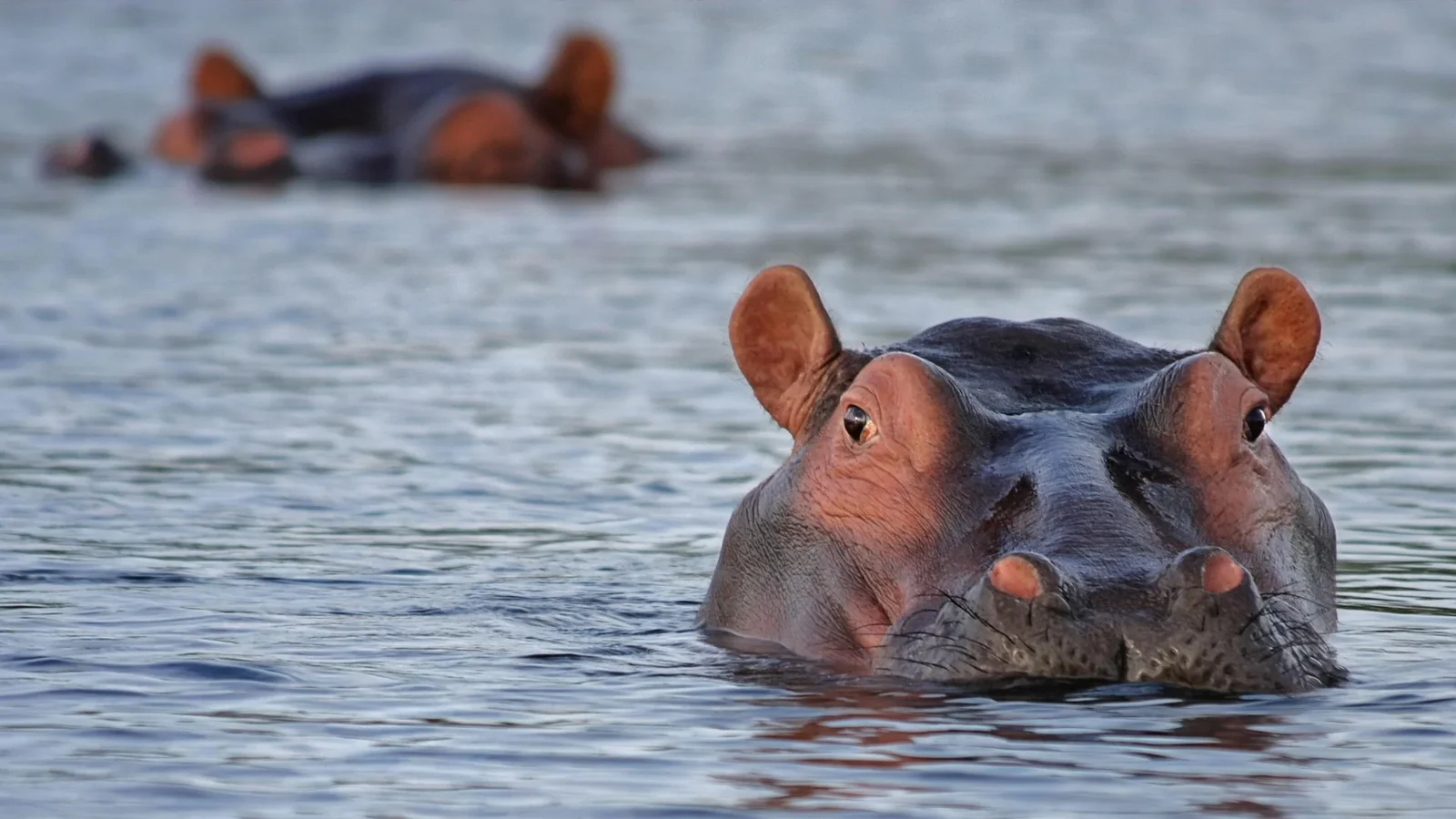
Photo: designerpoint / Pixabay
Botswana is a lodge-camera country, and that turns out to be one of the most watchable formats. Africam’s Botswana cameras range from Senyati near Chobe, where dry-season elephant numbers are the main event, to a Kalahari salt pan at Makgadikgadi, the Selinda Reserve and three cams on the Boteti River.
Waterholes are unpredictable in the best way, because the animals come to the camera. They’re most dramatic in the dry months, when water is scarce. After the rains, the same view can look empty for long stretches.
LIVEWatch live →LIVEWatch live →LIVEWatch live →#6 Canada
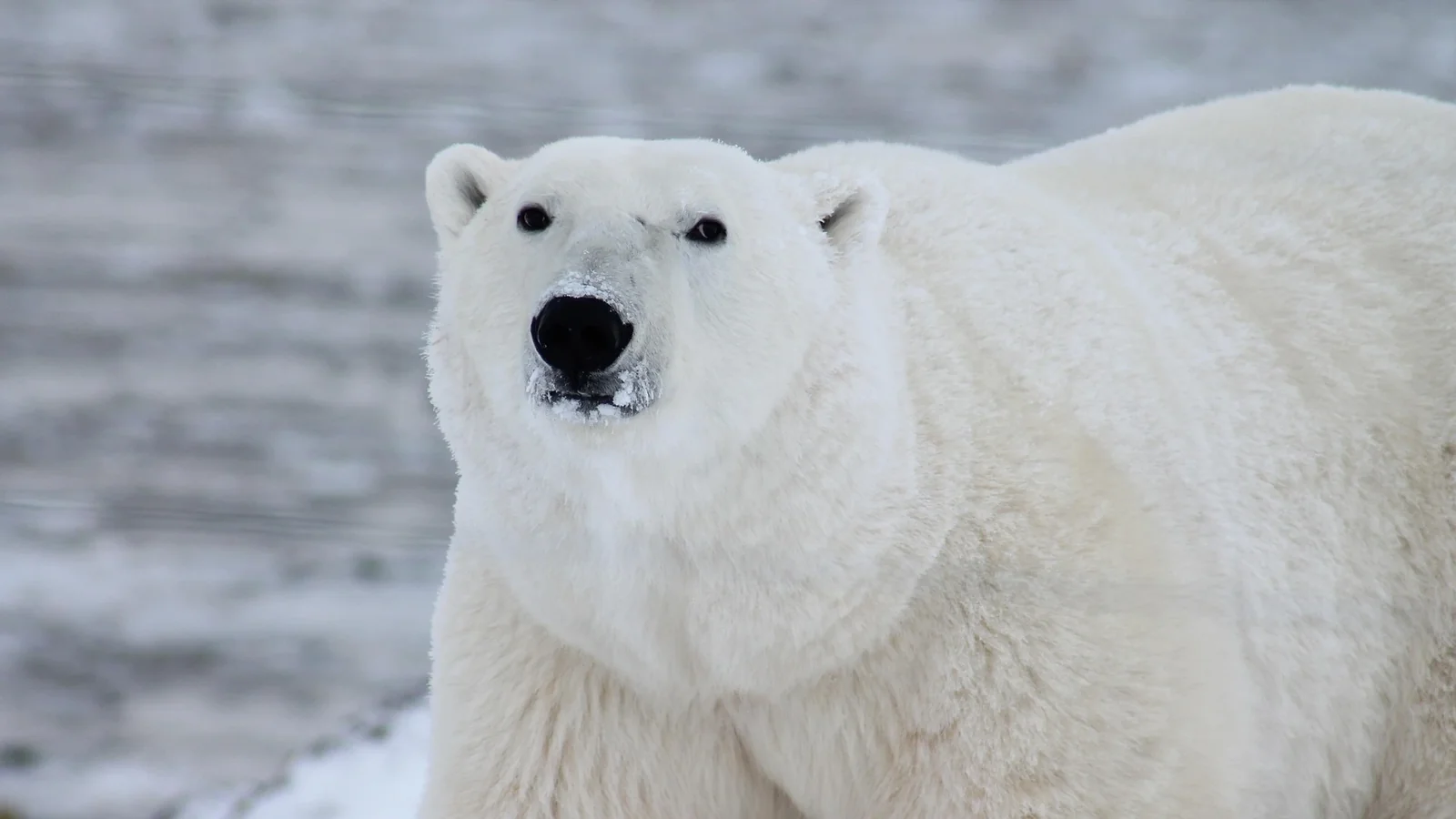
Photo: Pixabay
Canada has some of the best raw material on this list: polar bears near Churchill, belugas in the Churchill River, bald eagle nests in British Columbia, winter feeder cams in Ontario and northern lights on clear, dark nights.
The problem is the calendar. Most Churchill polar bear broadcasts run in October and November, although Cape South streams year-round. Beluga cams are a summer event and Ontario’s FeederWatch cam runs through the colder months. Catch Canada in November or February and it belongs several places higher.
LIVEWatch live →LIVEWatch live →LIVEWatch live →#5 Namibia
Camera still: Africam / Natural Selection
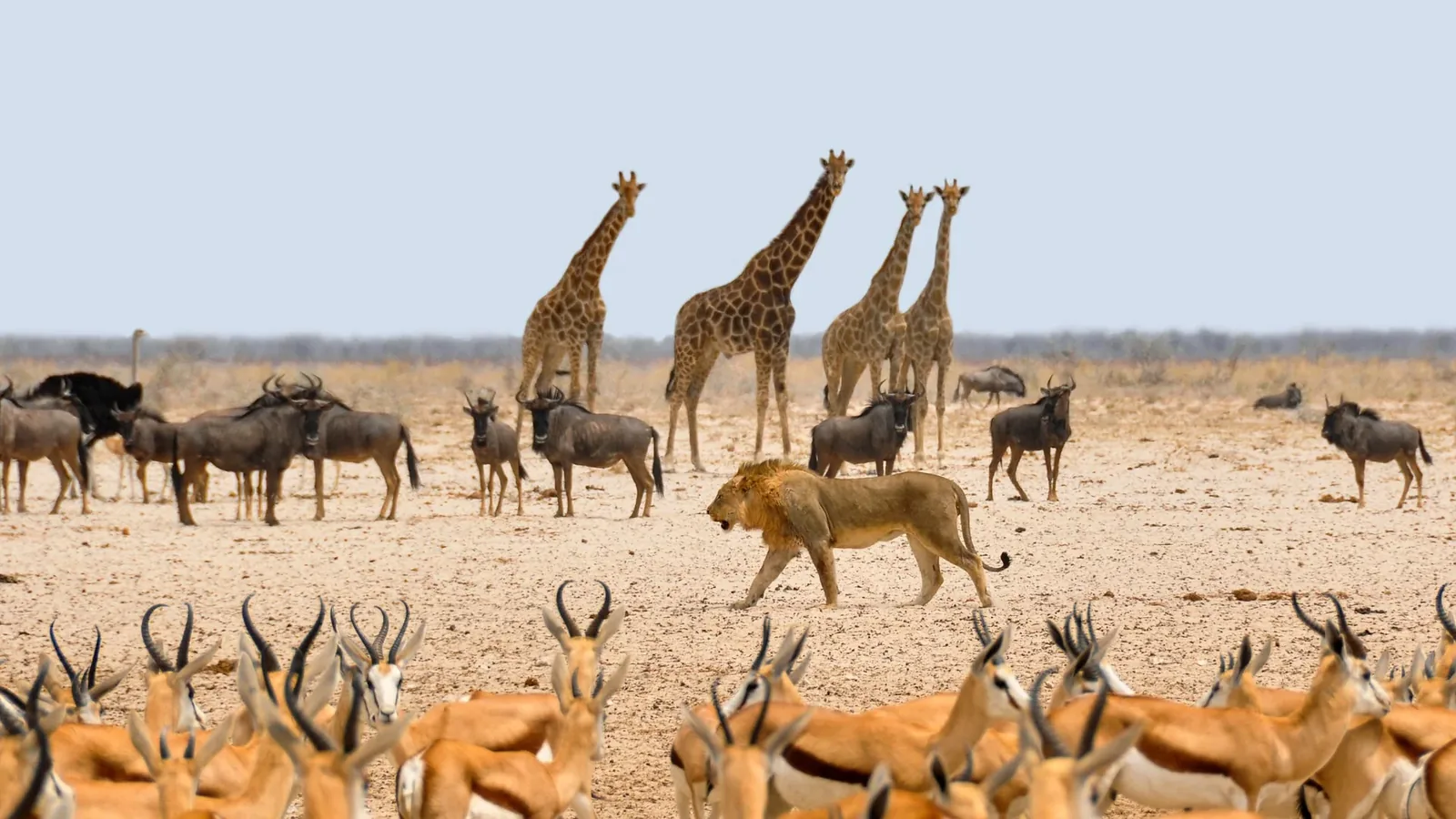
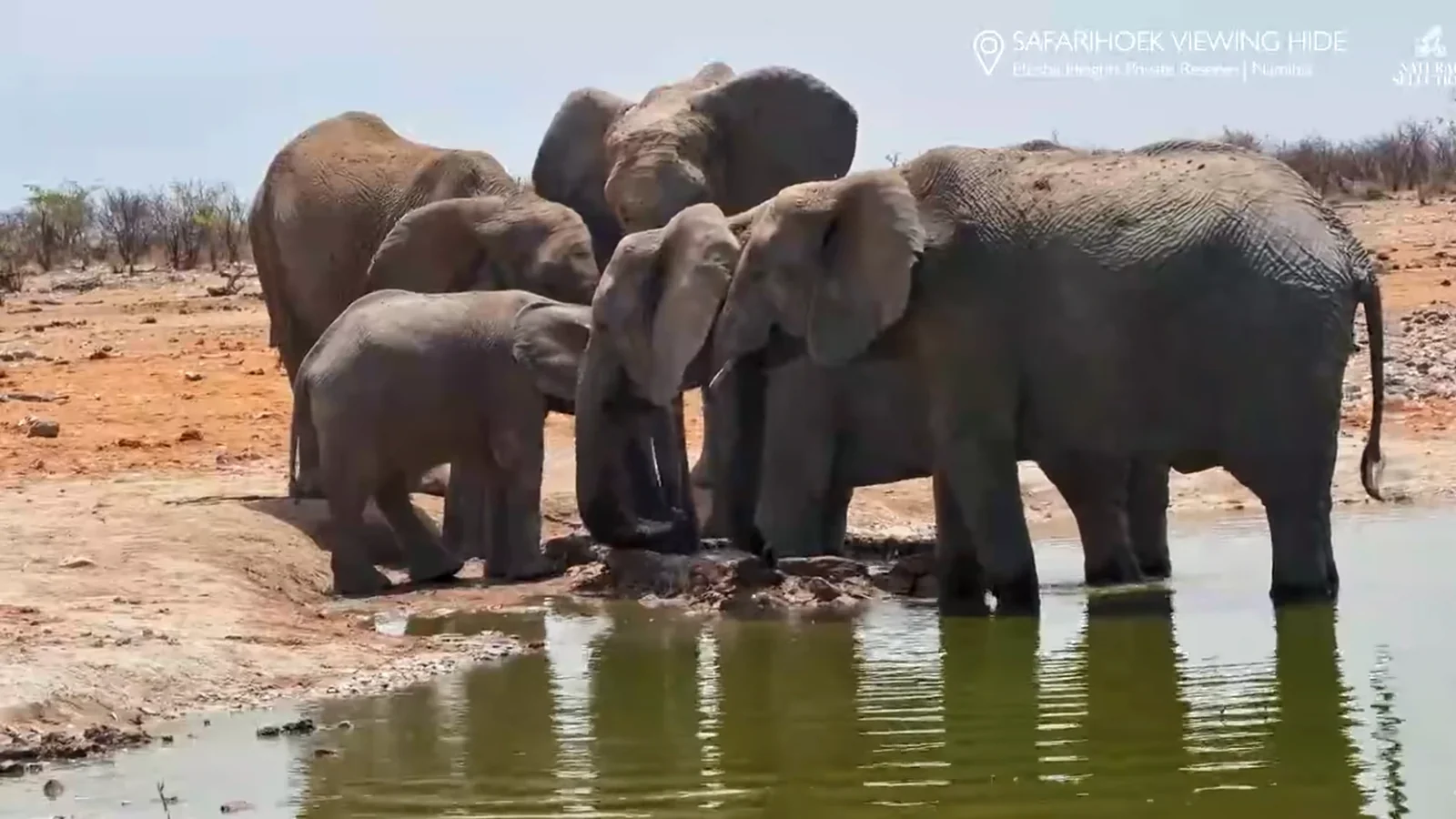
Namibia is the surprise of this list. NamibiaCam’s waterhole in the Gondwana Namib Park sits on an open desert plain, topped up by a solar-powered borehole. Gemsbok, giraffe and ostrich are among the visitors, and the operator has logged hyena, cheetah, leopard and jackal. It has infrared, which matters: in the desert, much of the action happens after dark.
Add the famous Okaukuejo waterhole in Etosha National Park and two Africam feeds on Etosha’s edge, and that’s four waterhole cameras with viewing after dark. Being so remote, they can drop out now and then.
LIVEWatch live →#4 Kenya
Camera still: Africam
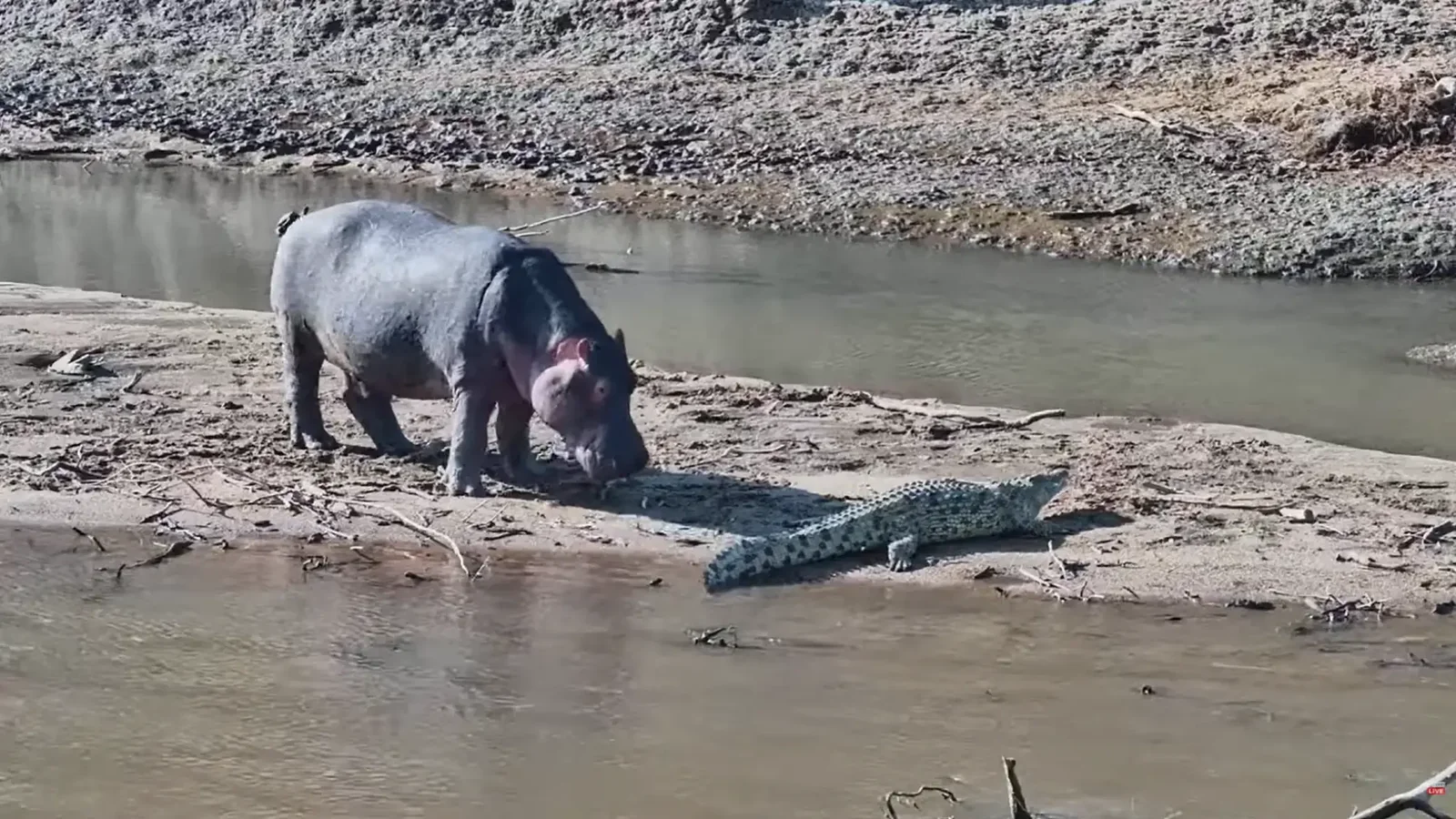
Kenya is where the lodge-camera model reaches full scale. Africam’s Kenyan feeds stretch from Ol Pejeta and Amboseli to the Maasai Mara and Tsavo West. The Mpala Research Centre in Laikipia adds a research station’s view of a waterhole and river, where elephants, giraffe and zebra come to drink.
The one to know is the Mara River cam. From roughly July to October, the migration crossings are among the most dramatic events in nature, although catching one live takes luck and patience. Outside those months, resident wildlife still gives you a reason to watch.
LIVEWatch live →LIVEWatch live →LIVEWatch live →#3 Japan
Camera still: Satsukiyama Zoo / Wombat TV
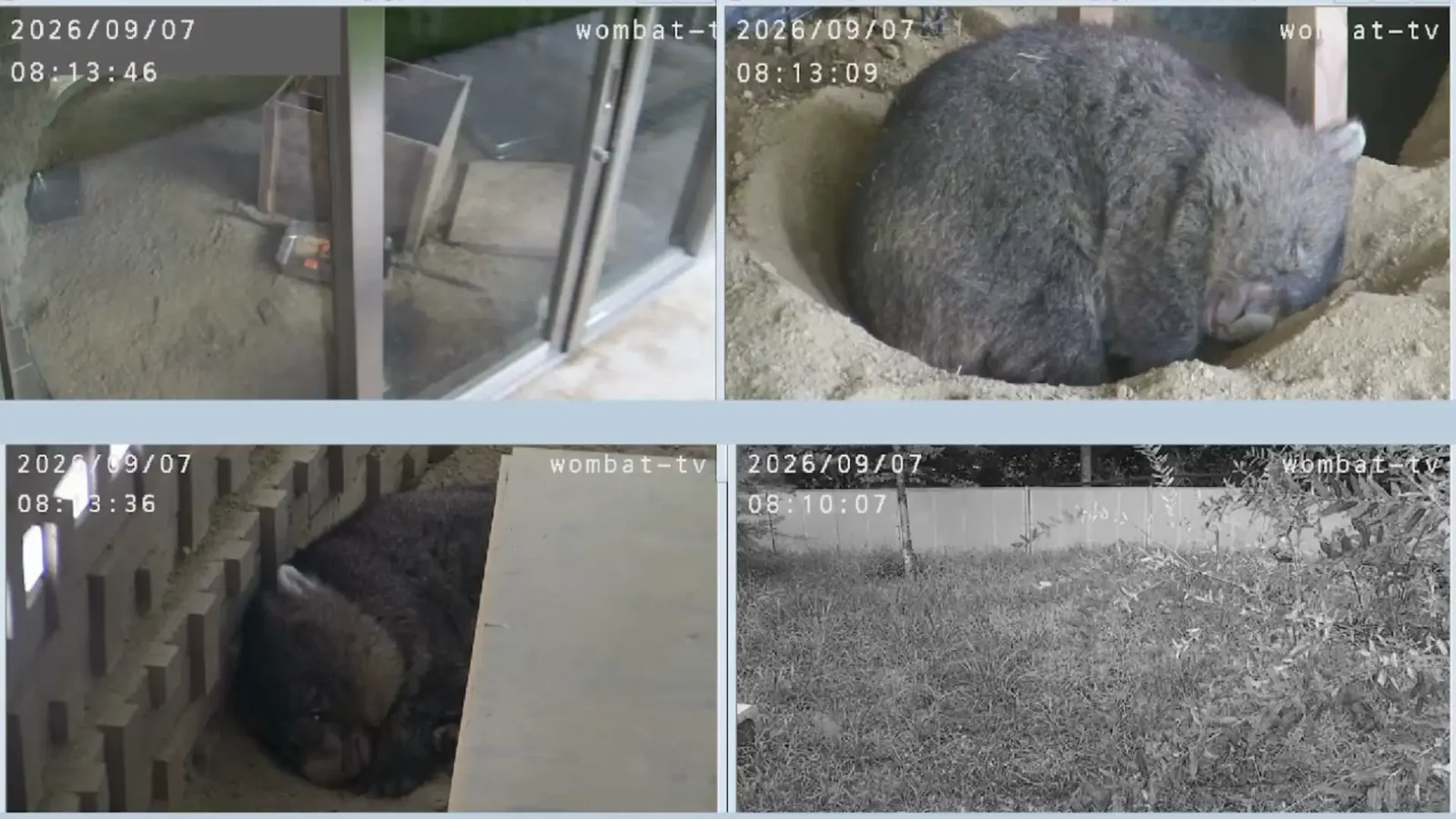
Japan wins on uniqueness and year-round viewing. Satsukiyama Zoo in Osaka launched Wombat TV in 2009 and describes it as the world’s only wombat livestream. Toba Aquarium has run a 24-hour sea otter cam since April 2024, and there are snow monkeys bathing in Jigokudani’s hot springs and a wild macaque troop on Awaji Island.
Zoo and aquarium feeds provide year-round viewing, though wild animals still follow their own schedules. The catch: several standout feeds show captive animals. And the Ministry of the Environment’s Internet Nature Information System supplies hourly still images rather than live video.
LIVEWatch live →LIVEWatch live →LIVEWatch live →#2 South Africa
Camera still: Djuma Game Reserve / Djuma Cam
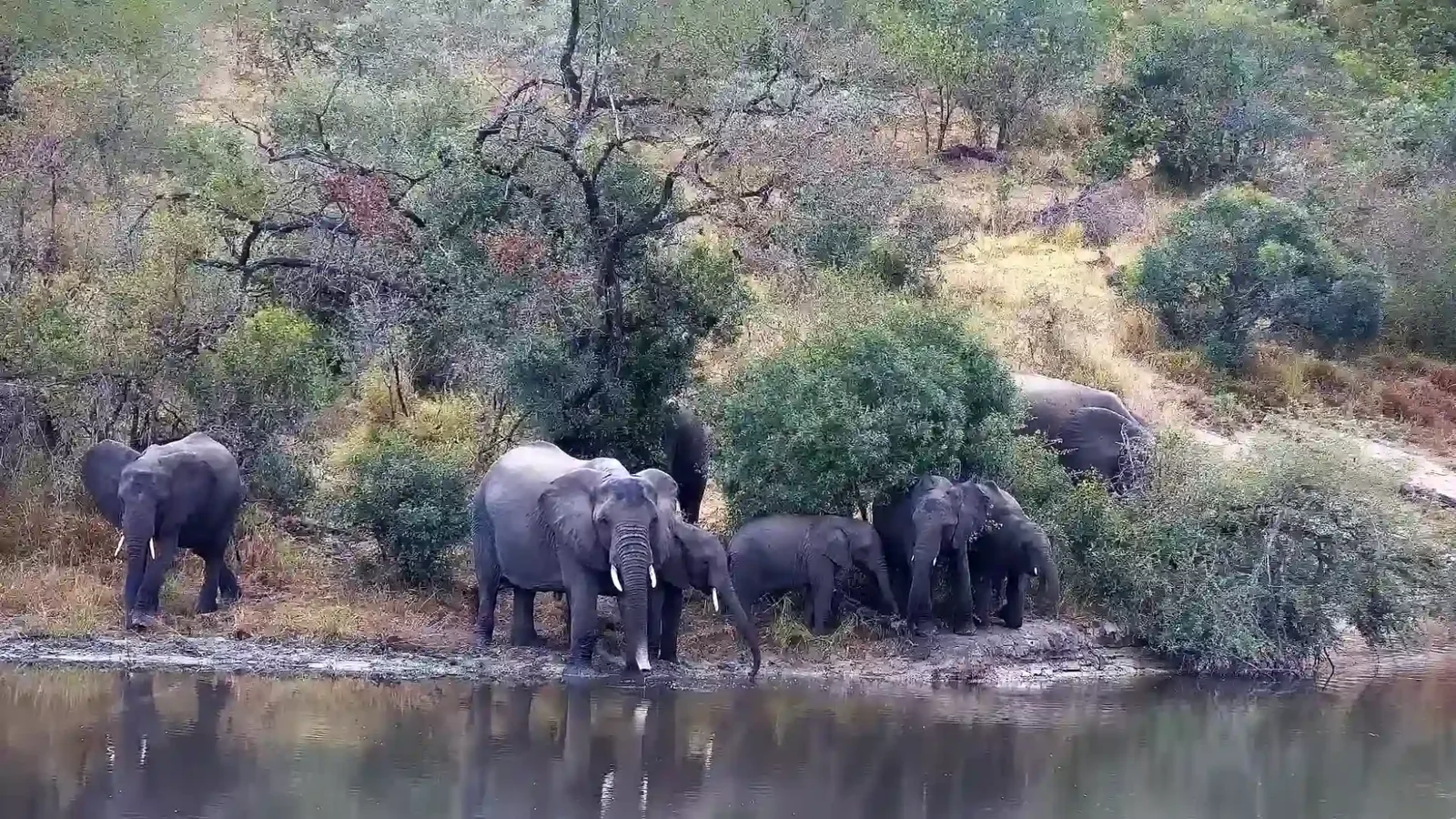
South Africa has the most mature live-safari industry anywhere. WildEarth began broadcasting in 2007 and offers live sunrise and sunset safari drives, with guides answering viewers’ questions. Its SafariLive broadcasts have also appeared on National Geographic.
The Djuma Dam Cam dates back to 1998 and is one of the world’s longest-running wildlife webcams, steered by a global team of volunteer “zoomies”. Add Africam feeds from Tembe Elephant Park to African penguins and lesser flamingos, and South Africa runs all year. It only misses first place on breadth.
LIVEWatch live →LIVEWatch live →LIVEWatch live →#1 United States
Camera still: Explore.org / National Park Service
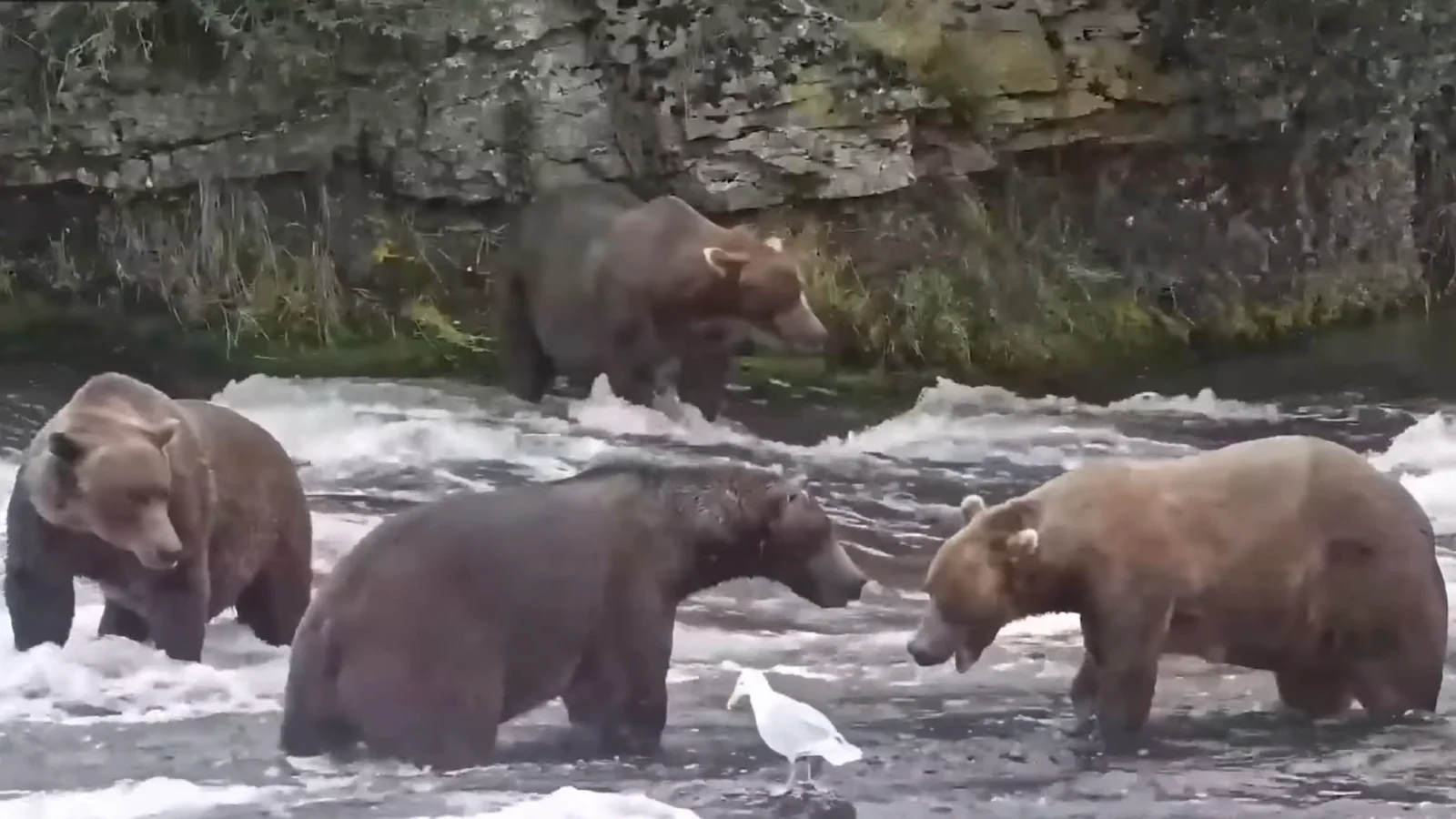
First place isn’t close, and it’s not really about the wildlife. The United States is home to explore.org, which calls itself the world’s leading philanthropic live nature cam network, and the Cornell Lab of Ornithology’s Bird Cams, which brings birdwatching, education and research to a worldwide audience.
The wider camera network covers everything: brown bears at Brooks Falls, bald eagle nests with named birds and decade-long audiences, kelp forests, volcano cams in Hawaii and aurora in Alaska. Across so many latitudes, something is always at its peak somewhere.
LIVEWatch live →LIVEWatch live →LIVEWatch live →Honourable Mentions
United Kingdom. The hardest omission. A strong conservation-camera tradition includes ospreys at Loch Arkaig, seabirds on Skomer and the Farne Islands, and seals in Cornwall. Many of its standout nest cams peak from spring to late summer, although there is wildlife viewing through winter too.
Zimbabwe. Six Africam locations, four in Hwange National Park. It came close; geographic variety was the editorial tie-breaker that kept it outside the top ten.
LIVEWatch live →Estonia and Latvia. Superb nest cams, from eagles to black storks, but mostly in the breeding season.
Finland. WWF Finland’s Norppalive watches rare Saimaa ringed seals during their spring moult. The season is short.
The Netherlands. Beleef de Lente reached its 20th season of nest cams in 2026, running roughly March to July.
What the List Shows
Live nature cams are as much an infrastructure story as a wildlife story. The countries at the top are the ones where someone built a network and kept it running. Seasonality is the hidden variable: a camera that runs four months a year is a different thing from one that runs twelve. And some “live cams” aren’t live video, just still photos on a timer.
A lot of it is fragile, too. Sea-EagleCAM runs on donations, and keeping cameras online takes ongoing funding and maintenance.
The good news is that there’s always something live. What’s worth watching changes with the season. Browse every country or explore the Live Webcam Map.
 Take Me Anywhere
Video Transcript 2:07
The 10 Best Countries in the World for Live Wildlife & Nature Webcams
Which countries are actually best for watching live wildlife and nature cameras? Not the best wildlife. The best cameras.
#10 New Zealand - One Exceptional Albatross Cam
Streaming from Taiaroa Head near Dunedin, Royal Cam follows the Southern Hemisphere's only mainland royal albatross breeding colony through courtship, hatching and fledging.
#9 Australia - Raptors, Reefs & Penguins
Thirty-five metres above Orange, NSW, this live nest webcam follows peregrine falcons through courtship, egg-laying, hatching and fledging.
#8 Iceland - Puffins, Aurora & Volcanoes
Iceland's live cameras capture everything from volcanic eruptions on the Reykjanes Peninsula to seasonal puffin colonies and the northern lights.
#7 Botswana - Water, Elephants & The Okavango
From the Okavango Delta to desert waterholes, Botswana's live cams capture elephants, predators and some of Africa's best raw safari moments.
#6 Canada - Polar Bears, Belugas & Northern Lights
Canada's seasonal live cams capture polar bears on Hudson Bay, belugas in northern waters, and some of the best northern lights viewing on Earth.
#5 Namibia - Desert Waterholes, Day & Night
Namibia's remote desert waterholes deliver wildlife around the clock, from gemsbok, giraffes and ostriches by day to hyenas, jackals and other nocturnal visitors after dark.
#4 Kenya - The Mara Crossings & Big Cats
Kenya's live cameras capture the drama of the Maasai Mara, from seasonal wildebeest river crossings to lions, cheetahs and other big cats roaming the savannah.
#3 Japan - Snow Monkeys, Sea Otters & Wombats
Japan's year-round live cams range from hot-spring snow monkeys and 24-hour sea otters to the world's only wombat livestream.
#2 South Africa - The Home of the Live Safari
South Africa helped turn wildlife webcams into live television, combining guided safari drives with year-round cameras across waterholes, rivers and game reserves.
#1 United States - Bears, Bison, Volcanoes & More
From Alaska's bear cams to Yellowstone's bison and Hawaii's live volcano feeds, the USA offers some of the world's most dramatic and varied wildlife streams.
How this video was made
The video runs 2 minutes 7 seconds with no voiceover. All text appears on screen.
Sources 26
All operator inventories and camera statuses checked September 2026.
New Zealand
- Department of Conservation - Royal Cam.
- Cornell Lab of Ornithology - Northern Royal Albatross cam.
- Department of Conservation - first fledglings announcement, 8 September 2026.
Australia
- Victorian Peregrine Project - 367 Collins Falcons livestream, YouTube.
- BirdLife Australia - Peregrine Falcons return to Melbourne CBD.
- Sea-EagleCAM - BirdLife Southern NSW.
- BirdLife Australia - EagleCAM project.
- The Nature Conservancy Australia - Reef Cam at Pope's Eye.
Africa
- Africam - locations directory.
- Africam - lodge pages for Safarihoek, Onguma, Angama Mara, Tortilis, Porini and the Mara River.
- NamibiaCam - operator site and sightings list.
- WildEarth.
- WildEarth - Djuma Dam Cam handover announcement.
- Mpala Research Centre, Laikipia.
Japan
- Ministry of the Environment - Internet Nature Institute live image directory.
- Internet Nature Institute - camera retirement notice, 1 June 2026.
- Toba Aquarium - official announcements.
- Toba Aquarium - notice on partial mosaic of the otter tank, 23 May 2026.
- Satsukiyama Zoo - Wombat TV.
- Jigokudani Monkey Park; Awaji Island Monkey Centre.
United Kingdom and United States
Elsewhere
- Looduskalender (Estonia); Latvian Fund for Nature.
- WWF Finland - Norppalive.
- Vogelbescherming Nederland - Beleef de Lente.
Editor's note
This is an editorial ranking, not a count. Camera numbers come from each operator's public directory as checked in September 2026 and change constantly, so treat them as a snapshot.
How we researched this article
Each country was judged on six things: feed quality, variety, reliability, uniqueness, year-round availability and viewer appeal. Famous wildlife, biodiversity and tourism earned nothing on their own. Statuses were checked against operator sites and official announcements.